US life sciences under Trump

While reports of federal cutbacks across the US health, life sciences, and research landscapes continue to fuel anxiety among scientists, the situation may not be as dire as people fear, according to one investor.
May 14, 2025


The year began with a positive outlook within the scientific community. A survey conducted by the Deloitte US Center for Health Solutions in December 2024 indicated that 75 percent of US global life sciences executives were optimistic about the research climate for 2025.
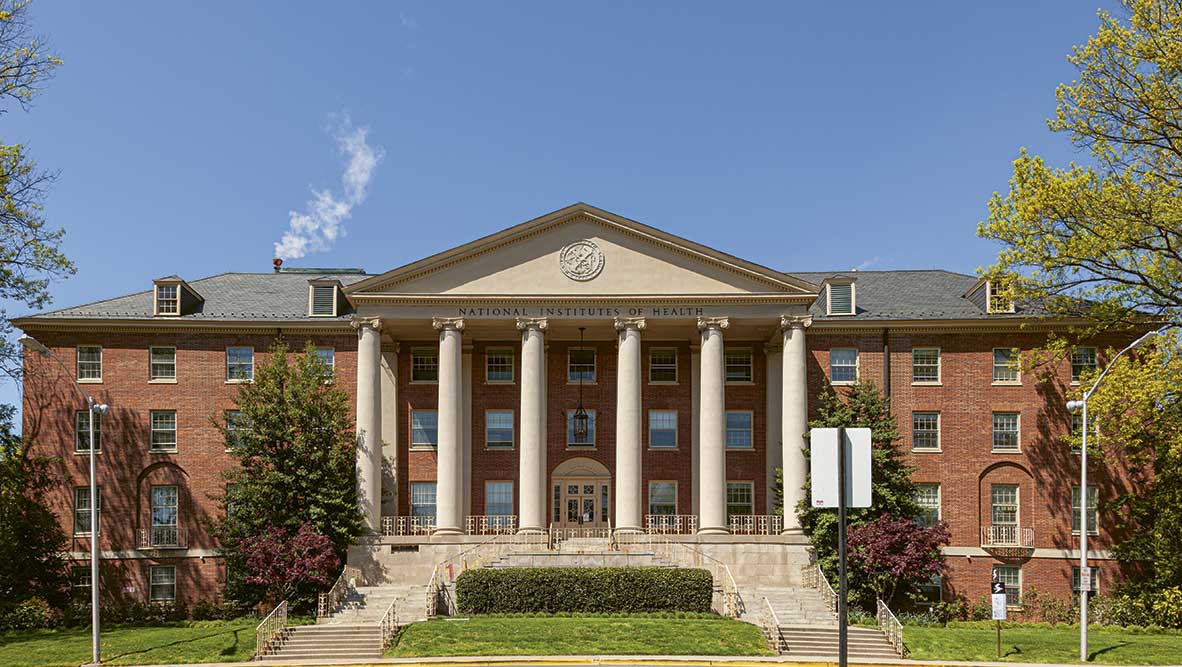
But reports published over the past three months describe financial and personnel cutbacks to the sector by the administration of President Donald J. Trump. This included approximately 800 research projects at the US National Institutes of Health (NIH) being dropped due to more than USD 2.3 billion in cancelled funding. Among the areas most affected were research into fundamental biological systems, infectious diseases, and heart and lung ailments, according to STAT.

The US administration freezes new National Science Foundation awards
The policy prevents the NSF from awarding new research grants and from supplying allotted funds for existing grants, such as those that receive yearly increments of money.
Most recently the Trump administration froze USD 2.2 billion in funds to Harvard University, one of the largest research institutions in the world, due to the university’s refusal to end diversity, equity, and inclusion (DEI) programs and restrict campus protests. The university has filed a lawsuit against the government. The fact that the figures for reductions in funding and personnel levels often change from day to day adds to the anxiety.
The perception is worse than the reality
The news reports may sound ominous, and many researchers are anxious, but so far, the perception is worse than the reality, says investor Tim Opler, a managing director in Stifel’s Global Healthcare Group, who oversees strategic and financing transactions in a range of healthcare areas. Opler founded Torreya and joined Stifel in 2023 when it acquired Torreya.

“The science industry is very uncomfortable and scientists are very nervous,” he says. “But the sector is not bordering on collapse. The budget for the NIH and Centers for Disease Control (CDC) have remained unchanged. People are distracted and fearful and some junior researchers lost funding. All eyes now are on the NIH budget for 2026, because the Trump administration has proposed a 40 percent cut to Congress,” he says.
Staffing cutbacks at federal agencies will require agencies to do more with less, but I don’t see productivity going down.
When he talks to researchers, Opler says, they express concerns about budget cutbacks, but when he asks them if they have experienced cuts, they say no. While some NIH grants were eliminated, the agency’s budget was passed intact by Congress, according to Opler.
“Academic institutions are concerned about what is going to come,” he continues. Staffing cutbacks at federal agencies will require agencies to do more with less, Opler acknowledges. “But I don’t see productivity going down,” he says.
Approvals by the Federal Drug Administration (FDA) are increasing, he says. “The tariffs the U.S. is imposing on other countries also should not affect the cost of pharmaceuticals directly, but could impact the cost of ingredients for some drugs,” Opler adds.
Investments in life sciences are increasing, he maintains. “The big picture is that funding for life research has consistently gone up at least from the private sector. I invest my own capital in life sciences.”

NLS Conversation: Ted Fjällman and Tim Opler
Ted Fjällman (TF), CEO of the Swedish listed investment company Flerie, and Tim Opler (TO), Managing Director of the global healthcare group at investment firm Stifel, both work with life science investments in Europe, the USA and globally. They share, in a conversation format, their thoughts about the financial landscape and the Nordic life science ecosystem.
A disaster to public health
Nevertheless, the news is unsettling to the industry. Published reports say the CDC is expected to dismiss approximately 2,400 employees, representing about 18 percent of the staff, a move which is connected to reductions at the Department of Health and Human Services (HHS). The US withdrawal from the World Health Organization (WHO) also set off alarm bells across the scientific community.
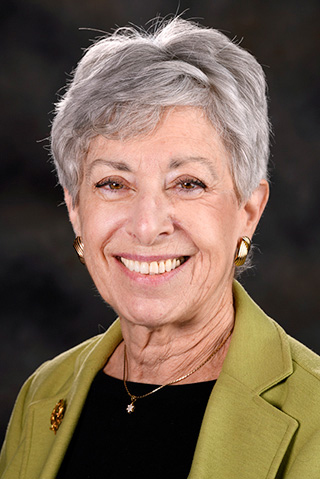
“I think it’s a disaster for public health throughout the world,” says Dr. Linda S. Birnbaum, Ph.D., scientist emeritus and former director of the US National Institute of Environmental Health Sciences and National Toxicology Program and currently a Scholar in Residence at the Nicholas School of the Environment at Duke University.
Domestically, budget reductions to public health agencies could put the nation at risk in the event of another global health crisis.
“We will not be prepared and will not be able to respond effectively, leading to increased disease and death,” according to Birnbaum.
Job overseas
Some also fear that the cuts announced so far and any further reductions could drive scientific talent out of the US and make it nearly impossible to recruit outstanding scientists.
And overseas researchers are taking notice. Academics from the University of Oslo expect to see large numbers of US scientists and students looking for new homes and urged the Minister of Research and Higher Education to move quickly to recruit them, even asking Norway’s parliament to consider tuition fees for students from the US and fast-tracking hiring for scientists.
Cuts to both dollars and people will set the sciences back by years. Many research projects have been terminated, and new ones are not happening.
Reductions in funding to research projects and personnel at institutions such as the NIH, FDA, and CDC could have a severe impact on the US scientific capabilities, Birnbaum says. “Cuts to both dollars and people will set the sciences back by years,” she adds. “Many research projects have been terminated, and new ones are not happening.”
Many American scientists already are looking for jobs overseas, Birnbaum says, and researchers from other countries are in no rush to move to the US.
“Given the current political situation, many foreign scientists are deciding not to come because of visa problems,” Birnbaum says.
Updated: November 24, 2025, 09:53 am
Published: May 14, 2025