








Science Award - October 8, 2026
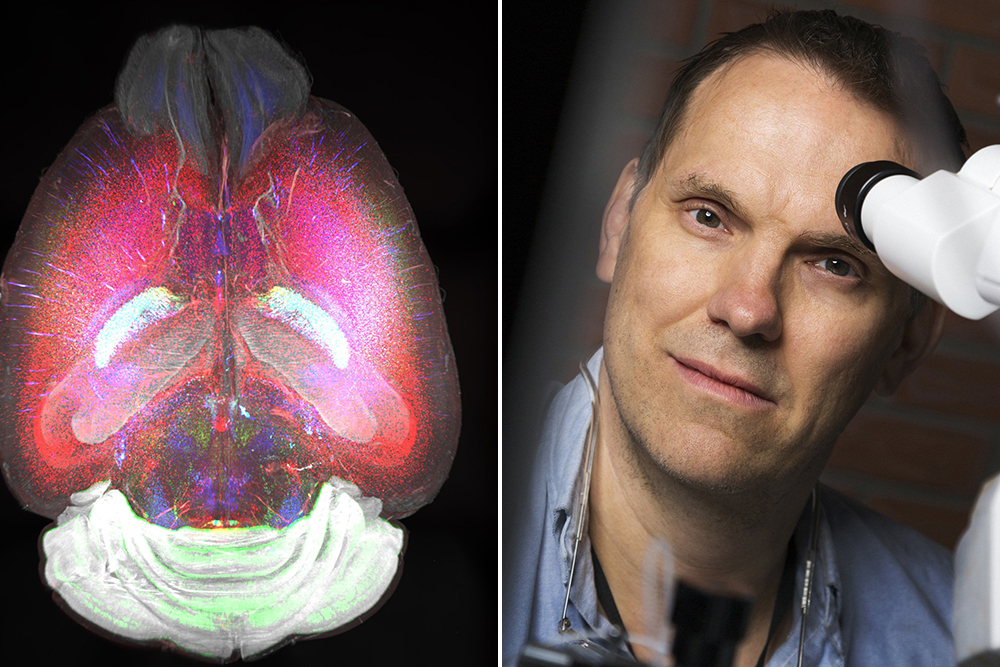
KI’s Per Uhlén honored with Lennart Nilsson Award today
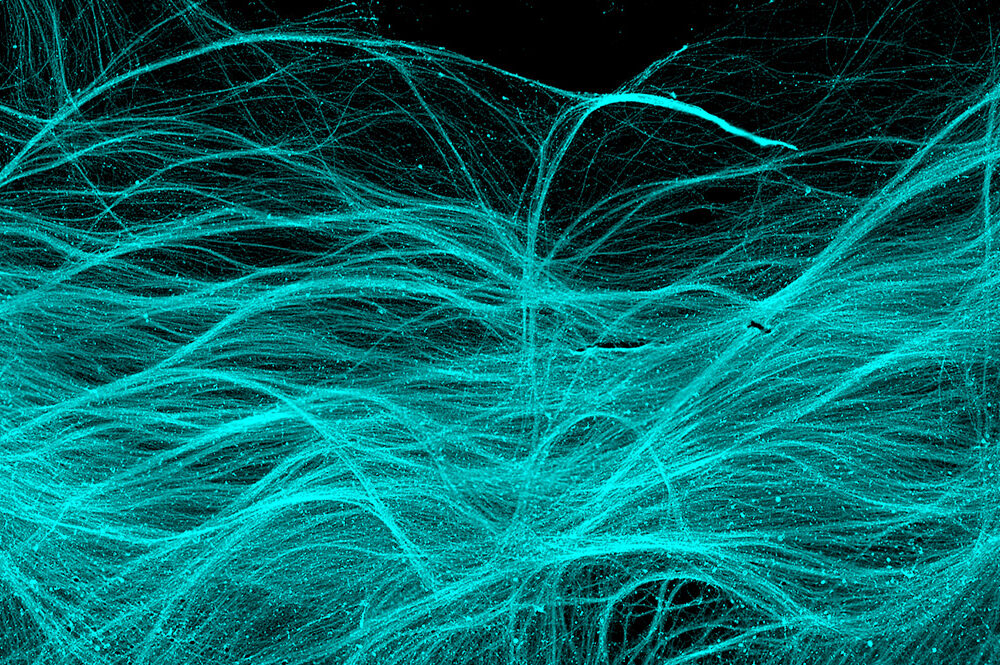
Per Uhlén, professor of cell signaling at Karolinska Institutet (KI), receives the 2026 Lennart Nilsson Award today at KI's professorial installation ceremony in Aula Medica. He is honored for developing advanced microscopy methods that visualize the fundamental processes of life.

Science News - October 5, 2026
Aldosterone a major driver of resistant hypertension
Disrupted regulation of the hormone aldosterone is one of the main causes of resistant hypertension, according to a large genetic study led by Amgen deCODE genetics. The findings suggest more patients could benefit from drugs that block aldosterone.

Science Award - October 2, 2026
It’s Nobel Prize time – Who will win this year?
It is once again time to honor extraordinary scientific discoveries. Will it be the GLP-1 pioneers – among them Denmark's Jens Juul Holst – optical coherence tomography, the wakefulness peptide orexin, or precision gene editing that is honored this year? Or will it be something completely different?
Science News - October 2, 2026
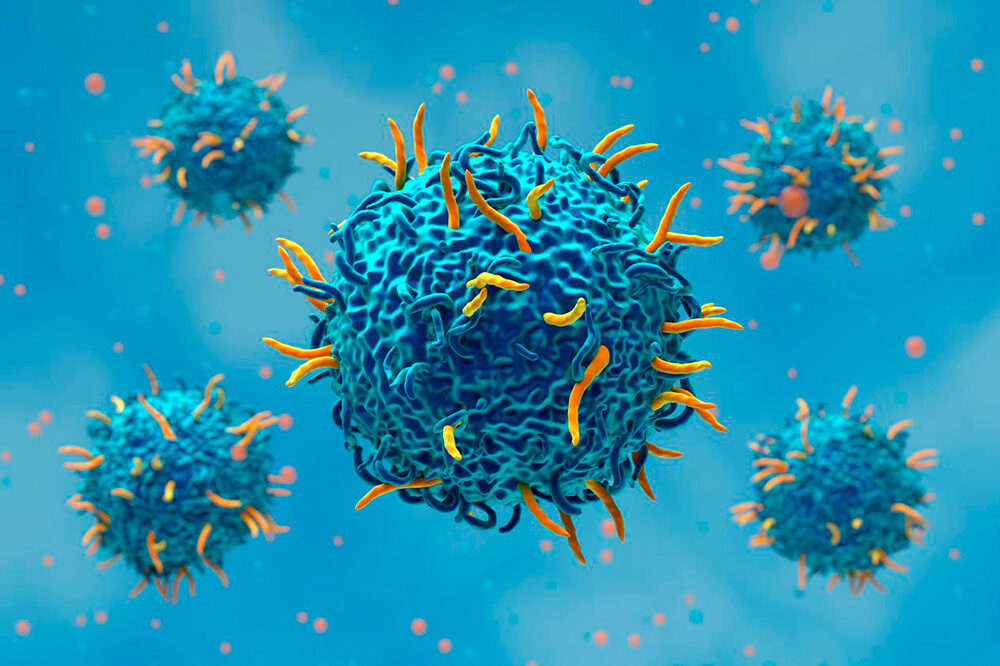
Infection biology center inaugurated at Campus Flemingsberg today
Karolinska Institutet's Center for Systems Infection Biology (CSIB) is being inaugurated today, October 2, at Campus Flemingsberg.
Science News - September 28, 2026
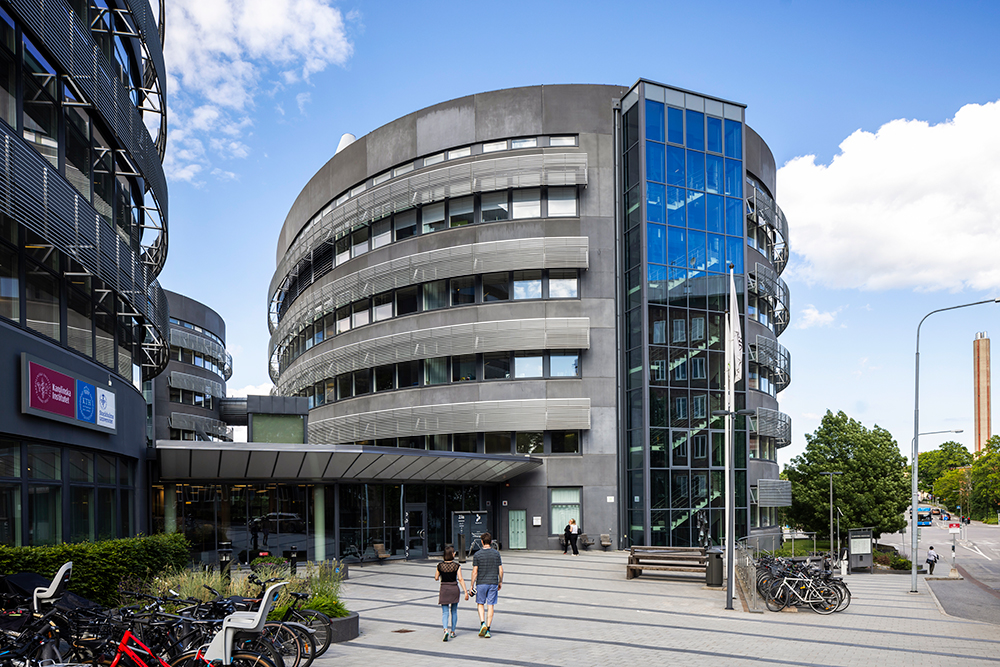
SciLifeLab expands on Campus Solna
SciLifeLab is increasing its space on Campus Solna by more than 9,000m². Property owner Akademiska Hus is investing approximately SEK 230 million in an extensive renovation that will give the research center more modern laboratories, flexible workspaces, and new facilities for meetings and training.

Science News - September 25, 2026
Early-onset cancer rising across the Nordics for 12 of 18 cancer types
Cancer rates among adults under 50 rose for 12 of 18 cancer types in the Nordic countries between 2003 and 2022, according to a registry study published in The Lancet Regional Health – Europe. The study analyzed more than 2.2 million cancer cases from Sweden, Denmark, Finland, Iceland, Norway, the Faroe Islands and Greenland, covering nearly 28 million people.