Turku researchers uncover molecular mechanism behind aggressive colorectal cancer
Researchers at the University of Turku, working with France’s Gustave Roussy Institute, have identified a molecular mechanism that lets an aggressive subtype of colorectal cancer shield itself from chemotherapy and spread through the abdominal cavity – and shown that antibodies already used against other cancers can disrupt the process.
August 25, 2026


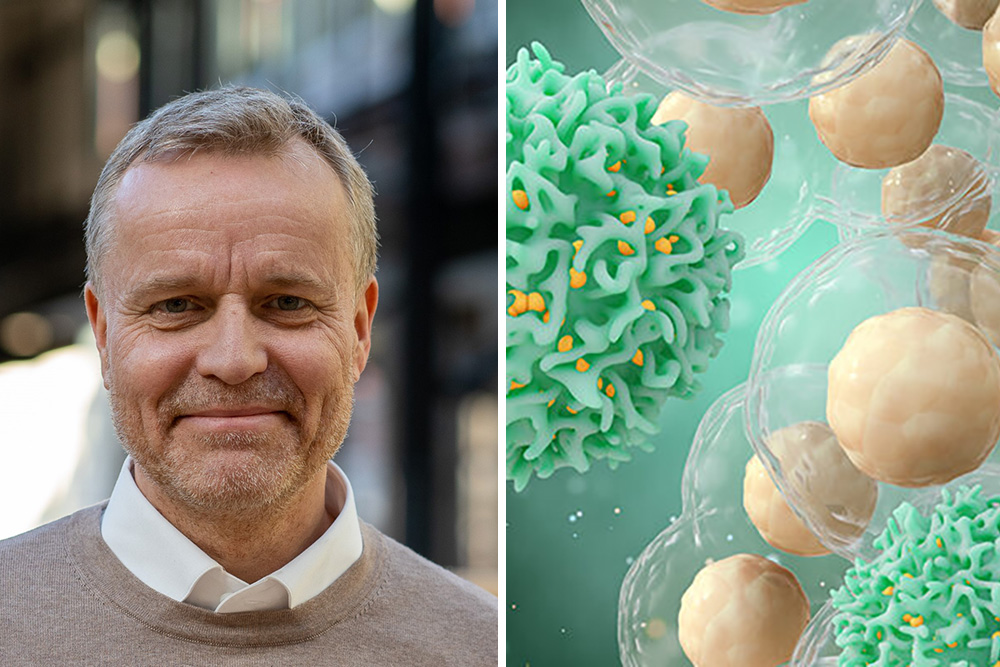
The discovery concerns mucinous colorectal adenocarcinoma (MCA), which accounts for 10–15 percent of all colorectal cancers. Unlike more common colorectal tumours, MCA spreads via compact clusters of cells called tumour spheres, which travel into the abdominal cavity and attach to the peritoneum.
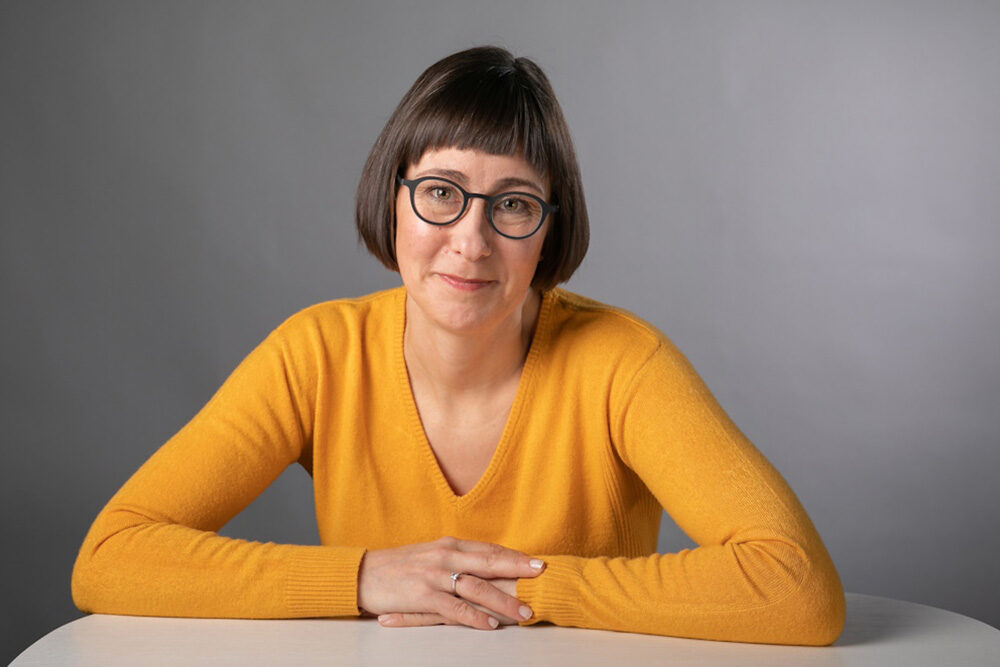
“The mucus forms a protective layer around the tumour, which reduces the effectiveness of cytostatic drugs and facilitates the spread of the cells into the abdominal cavity. This inverted structure not only helps tumour cells to migrate, but also enables them to invade tissue more effectively and makes them more resistant to chemotherapy,” says Academy Professor and InFLAMES research flagship group leader Johanna Ivaska from Turku Bioscience Centre at the University of Turku, Finland.
The Turku-led team, based at Turku Bioscience Centre, found that these spheres turn “inside out” while traveling, secreting a protective layer of mucus on their outer surface that shields them from cytostatic drugs and aids tissue invasion.
On reaching the peritoneum, some spheres revert to a conventional orientation to attach to tissue. The researchers traced the trigger: contact with collagen sets off a chain reaction raising levels of three proteins – SorLa, Her2 and HER3 – which reorient the cells and strengthen their tissue-anchoring receptors.
Since Her2 and HER3 are already targeted by antibody drugs approved for other cancers, the team tested those antibodies on lab-grown tumour spheres.
“The cancer cells began to die, were inverted, and their ability to attach to the peritoneum was impaired,” says Meri Pelkonen, doctoral researcher at the University of Turku.
The findings suggest existing antibody therapies could offer a new treatment avenue for a colorectal cancer subtype that is notoriously hard to treat.
The study, funded by Cancer Foundation Finland, the Research Council of Finland, the Sigrid Jusélius Foundation and EU Horizon 2020, is published in Nature Communications.
Published: August 25, 2026