New Nordic centre aims to strengthen glymphatic system research
The Lundbeck Foundation has awarded DKK 78 million to a pan-Nordic centre that will focus on research into the glymphatic system.
August 19, 2026


The goal is for researchers, within five years, to have developed a diagnostic tool that can assess the brain’s ability to cleanse itself, and to be ready to conduct clinical trials with a new drug against dementia.
The glymphatic system
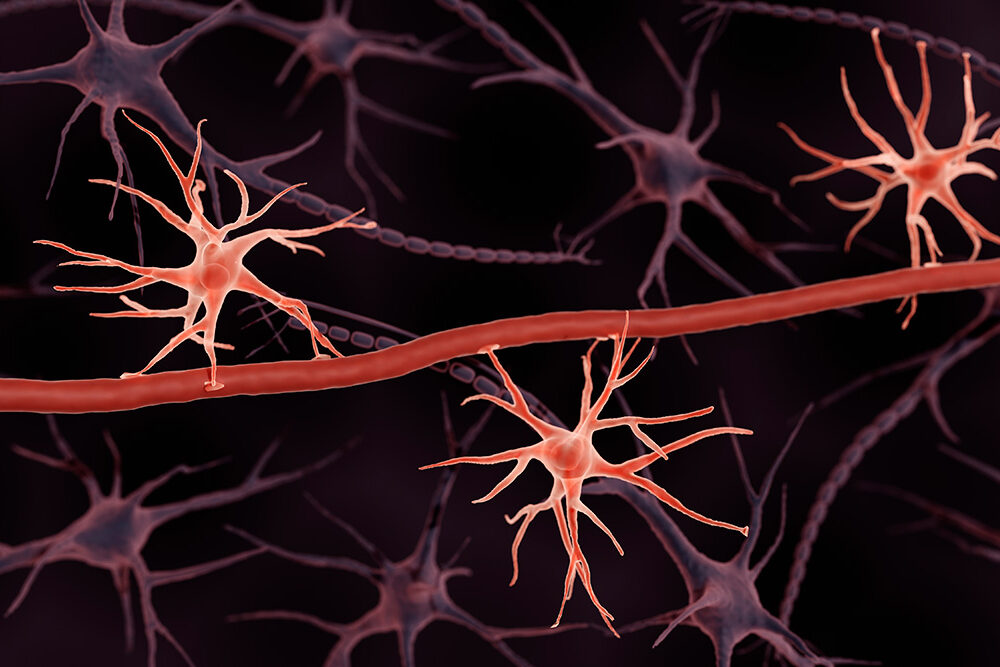
The glymphatic system was discovered and described by Professor Maiken Nedergaard (University of Copenhagen and the University of Rochester), for the first time in 2012. The system cleanses the brain of waste products during sleep, and is popularly referred to as ‘the brain’s dishwasher’. If the glymphatic system functions poorly, waste products accumulate in the brain and the risk of developing dementia increases.

Maiken Nedergaard receives the Nordic Fernström Prize
This year’s Eric K. Fernström foundation Grand Nordic Prize goes to neurology researcher Maiken Nedergaard, at the University of Copenhagen and the University of Rochester. Nedergaard has discovered and investigated how the brain gets rid of harmful products using its own purification system, the glymphatic system – knowledge that is significant in the context of […]
Nordic Center for Glymphatic Biology
Nedergaard has now received the grant of DKK 78 million to build the Nordic Center for Glymphatic Biology, where she and colleagues from Sweden, Norway and Finland will develop research into the glymphatic system.
“The centre brings together internationally recognized researchers with expertise in the glymphatic system. For some reason, Scandinavia has the best researchers in the field, and by establishing the centre we can work together and more quickly translate our knowledge into clinical use,” says Maiken Nedergaard to Lundbeckfonden.
The focus is particularly on how the function of the glymphatic system can influence small vessel disease, which is the second most important cause of dementia. The plan is to develop a diagnostic platform capable of producing a so-called glymphogram – an MRI scan that can establish the status of the glymphatic system.
At the University of Copenhagen, Nedergaard’s research group will work with mouse studies in which they will seek to identify molecular mechanisms that can regulate glymphatic flow and perhaps later increase the rate at which waste products are removed from the brain.
Professor Per Kristian Eide and Associate Professor Geir Ringstad from Oslo University Hospital will use an invasive MRI scanning technique to investigate glymphatic flow in the brains of people with vascular disease.
At the University of Oulu in Finland, Professor Vesa Kiviniemi will use a special non-invasive MRI technique, MREG, to examine how fluid moves in the glymphatic system in people who have or are at risk of developing vascular disease.
Building on this, Professor Gitte Moos from Rigshospitalet will verify the results using a SPECT scanner for the same purpose. In addition, Associate Professor Iben Lundgaard from Lund University in Sweden will conduct experiments on pigs focused on methods for flushing the glymphatic system.
Identify molecular mechanisms
As part of the grant, Nedergaard’s laboratory will also identify molecular mechanisms that can serve as a basis for developing new drugs or testing existing drugs that can improve the cleansing process carried out by the glymphatic system. These drug candidates will subsequently be tested both on pigs and in humans by the other research groups at the centre.
Train young researchers
In addition to advancing research into the glymphatic system to the next level, the centre also aims to train young researchers in the field. Among other things, PhD students and postdocs at the centre will meet one day before the senior researchers when the centre holds its annual meeting, so that they can exchange ideas and build networks on their own terms.
Source: Lundbeckfonden
Published: August 19, 2026