New laboratory model could speed treatment development for rare, deadly melanomas
Researchers at the University of Turku have developed a new preclinical model that could help accelerate drug development for BAP1-deficient melanomas, a rare and highly aggressive form of melanoma that is resistant to current immunotherapies.
July 31, 2026


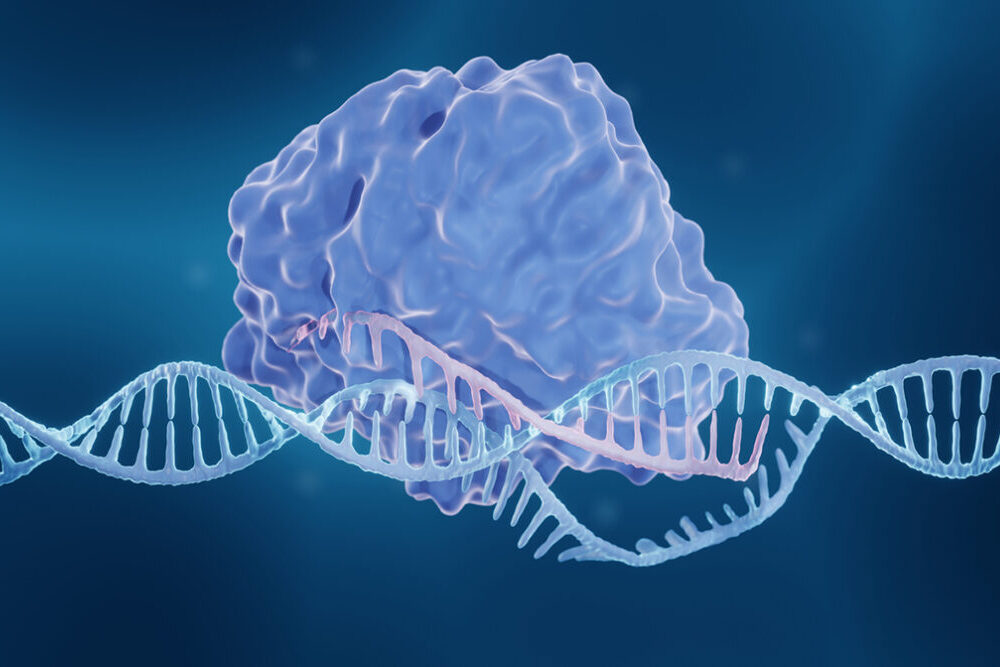
The model was created using CRISPR-Cas9 gene editing to delete BAP1 in normal melanocyte cells, producing a tumour system that mirrors the human disease in animals with a functioning immune system. According to the researchers, this makes it possible to study tumour–immune interactions in a way that has not previously been possible.
“BAP1 loss is associated with poor prognosis and resistance to immunotherapy in melanoma. Until now, there has been no preclinical model that faithfully reproduces the tumour–immune interactions seen in patients,” says lead researcher Mona Wang Meng. “Our model fills this gap and provides a powerful platform to study immune evasion and test novel immunotherapy combinations.”
BAP1-deficient melanoma is the most common intraocular malignancy in adults, but treatment options remain extremely limited once the disease metastasises. When the liver is affected, as it is in about half of patients, median survival is measured in months.
The researchers say the platform may also be relevant beyond melanoma, since BAP1 loss is involved in several other cancers, including mesothelioma and renal cell carcinoma.
“Our study offers a way to rationally design and test new immunotherapy combinations that simply were not possible before,” says principal investigator Carlos R. Figueiredo.
The study was published in Communications Biology and is part of the MIORG research programme within the InFLAMES Research Flagship at the University of Turku.
Published: July 31, 2026