Swedish study points to more precise Alzheimer’s blood tests
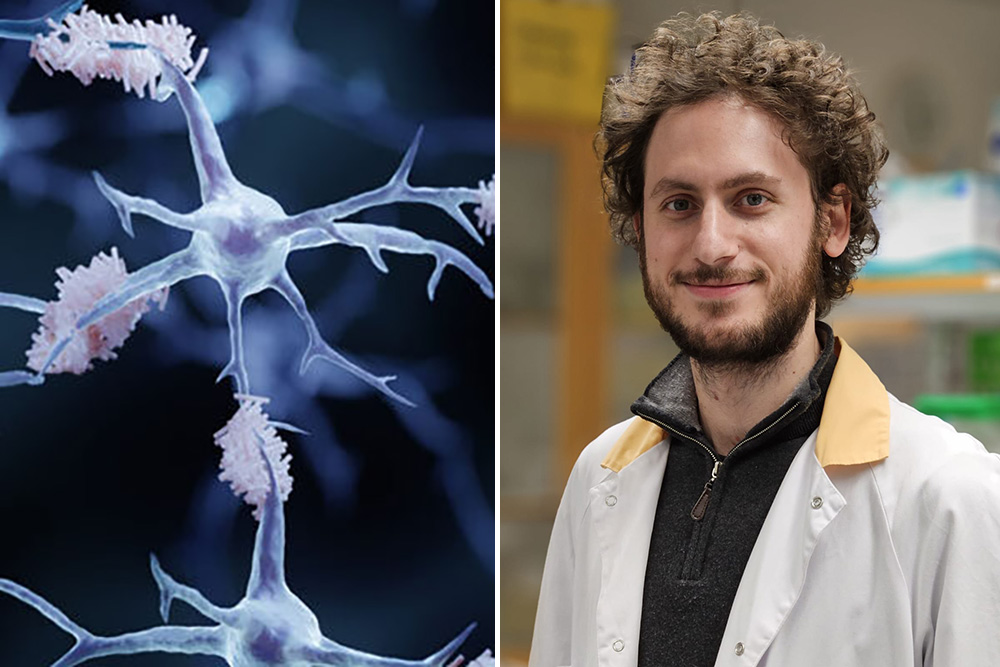
Researchers at the University of Gothenburg and their international colleagues have identified a seven-protein panel that could improve blood-based testing for Alzheimer’s disease.
August 12, 2026


The findings suggest that combining several biomarkers with the established p-tau217 marker may improve the assessment of disease stage and help predict advanced tau pathology in people with elevated amyloid levels. The study was published in JAMA Neurology.
The team used machine learning to analyze blood proteomics data from two independent international cohorts. The samples were analyzed using a platform capable of measuring more than 120 inflammation and neuronal markers in a single blood sample.
Adding proteins to p-tau217 significantly improved the test’s ability to predict advanced tau pathology. A multi-protein approach could eventually offer an alternative to tau-PET imaging for disease staging in clinical or research settings.
“We identified a panel of seven proteins, including p-tau217, that could improve the blood test’s ability to determine when a patient exhibits a disease profile corresponding to a late stage,” says Guglielmo Di Molfetta, a doctoral student in neurochemistry at the University of Gothenburg. “This could yield better screening results, which is particularly valuable for guiding treatment choices and recruitment for clinical trials of future treatments for Alzheimer’s disease.”
The results remain research findings rather than a validated clinical test. Further studies will be needed to determine whether the protein panel can improve disease staging across broader patient populations.
Published: August 12, 2026