Stockholm: Built for science, wired for connectivity
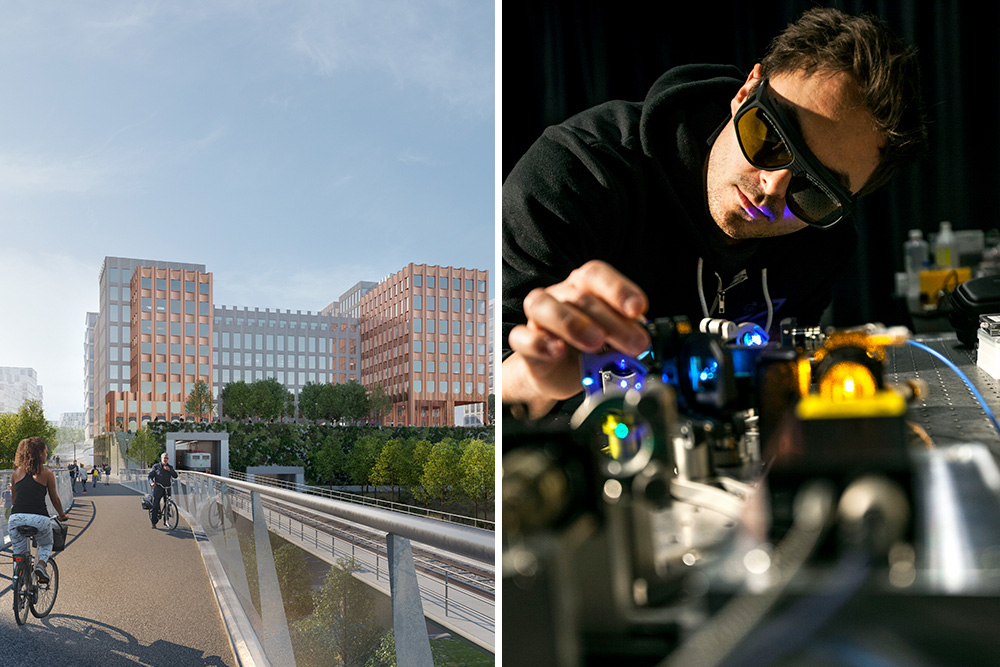
Stockholm’s life science ecosystem has long shone brightly for its scientific excellence. Now, the region is tackling how to turn its world-class research, strong infrastructure, and an industrial legacy into sustained global competitiveness.
September 6, 2026


The question is not whether Stockholm has the right ingredients for a thriving biotech scene – it does. It is how effectively those ingredients can be connected across public, private, and academic initiatives, between large powerhouse companies and energetic startups, and across scientific and commercial disciplines.
Strengthening those connections has been at the heart of Stockholm Science City’s (SSCi) mandate since the foundation was established in 1990. SSCi was founded by Karolinska Institutet, KTH Royal Institute of Technology, Stockholm University and the Stockholm School of Economics, together with several foundations linked to industry.
Acting as a neutralfacilitator, SSCi works to strengthen collaboration across academia, industry, healthcare and the public sector.
Stockholm has gone from producing very strong research to becoming a much more complete life science ecosystem, where clinical implementation, investment and physical infrastructure have all gained momentum and increasingly reinforce one another.
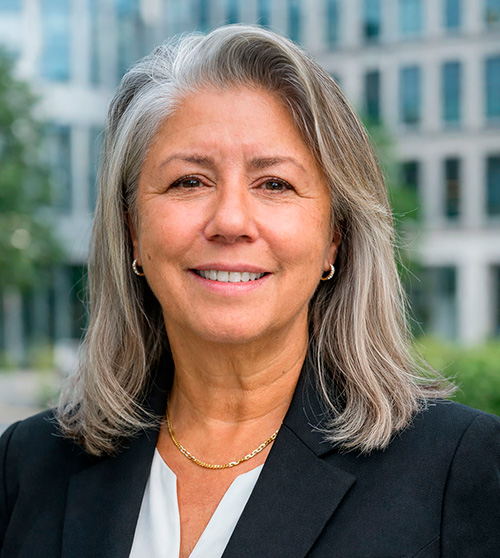
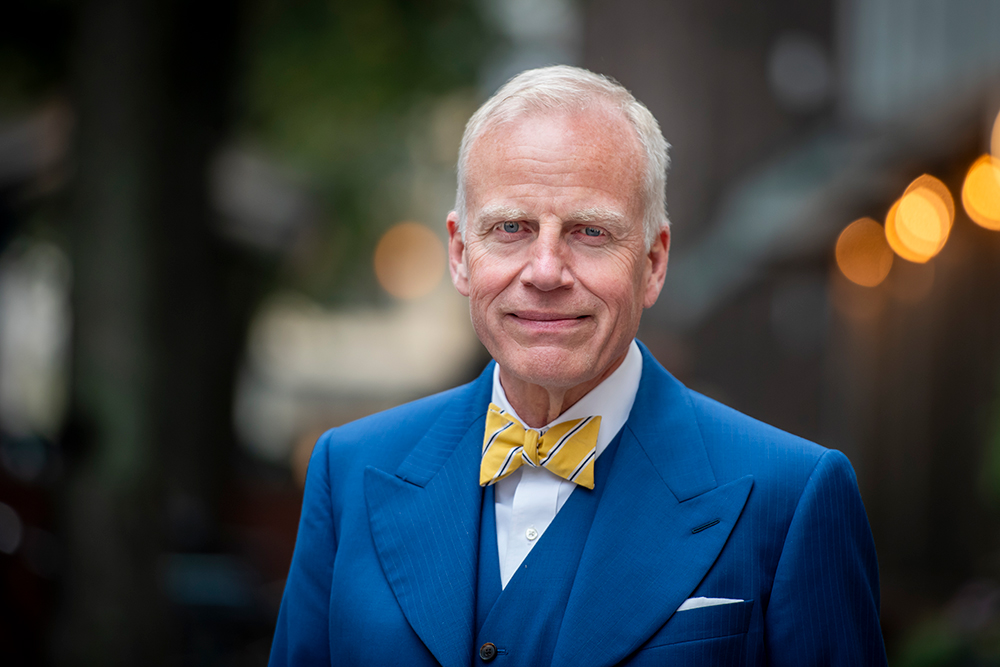
Ylva Williams, who has led the organization as CEO since 2009, describes Stockholm’s life science ecosystem as one that has grown organically over time.
Its strength lies in the increasing density of connections between universities, healthcare, industry, investors and the public sector, rather than in a centrally organized structure.
“Stockholm has gone from producing very strong research to becoming a much more complete life science ecosystem, where clinical implementation, investment and physical infrastructure have all gained momentum and increasingly reinforce one another,” she says.
Several structural developments have contributed to this shift, Williams says, including stronger links between research, clinical implementation, investment and innovation environments.

She points to several structural developments that have reshaped the region: precision medicine increasingly moving into clinical practice, alongside the redevelopment of BioClinicum; advanced therapies gaining momentum in the Flemingsberg life science district in the south; and Hagastaden reaching critical mass as an innovation district. Indeed, the district has grown from 59 companies in 2010 to more than 230 today.
Serendipitous innovation
One of the major actors in Hagastaden is the national infrastructure SciLifeLab, which has become one of Sweden’s significant scientific engines. Here, more than 1,000 scientists, staff scientists, and other personnel work and get access to advanced technology and expertise for life science and molecular biology research.

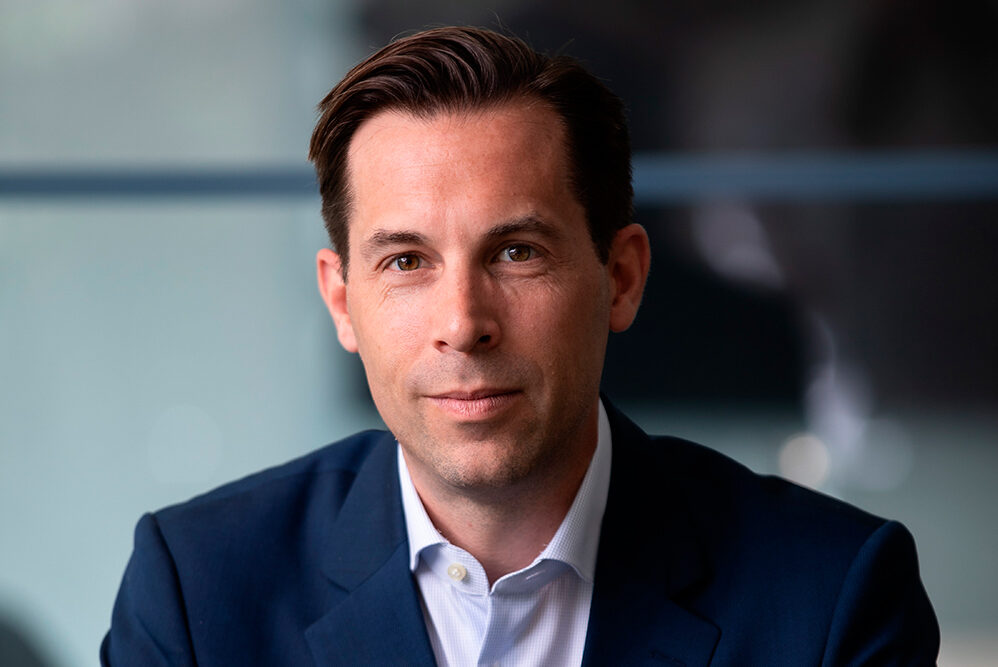
“There are so many people from all over the world here who are passionate about science. It’s actually a very good recipe to have this physical place,” says Annika Jenmalm Jensen, SciLifeLab’s infrastructure director.
Many of the fruitful cases that we’ve seen, they’re based on serendipity. It’s mixing these people from different univer-sities together on one floor, with access to infrastructure.
She explains that their research staff is mixed from three Stockholm universities: the Karolinska Institutet, KTH Royal Institute of Technology, and Stockholm University. Jenmalm Jensen has spoken at length with colleagues and leadership about how to structure SciLifeLab to maximize the research output. But the most successful method yet has proven to be one that can’t be planned: chance encounters that sparked great ideas.

“Many of the fruitful cases that we’ve seen, they’re based on serendipity. It’s mixing these people from different universities together on one floor, with access to infrastructure. I think it’s not super easy to make innovation happen by structurally organizing things, but through serendipity, by mixing people together, it happens,” she says.
Yet despite this density, she argues that Stockholm’s ecosystem is not firing on all cylinders. Even within the Hagastaden hub where many of Stockholm’s major academic, public, and commercial actors gather, broader cohesion has proven elusive. Jenmalm Jensen notes that little microcosms of interest groups have formed, and although the area hosts plenty of seminars, networking events, and other activities that bring people together, it’s the same groups of people who gather at the same events every time.
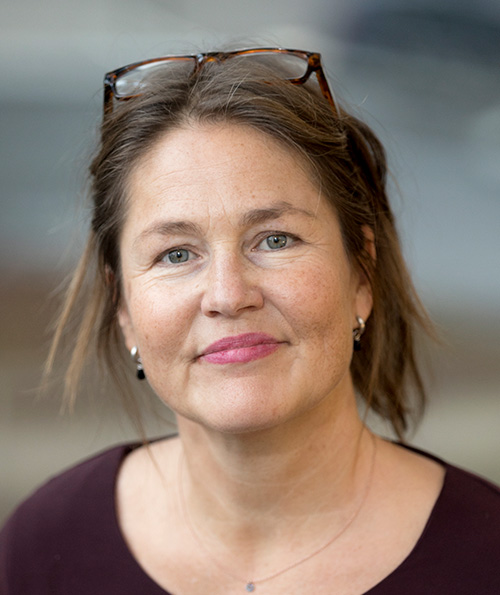
“All the pieces are there, but I think it’s underutilized. We are not mixing enough between the various parts of the ecosystem,” says Annika Jenmalm Jensen.
“I think it’s a matter of companies getting closer to academia and research, so we can do more together. The result of mixing more would be innovation and translation. More opportunities will be found if we can connect the pieces,” she adds.
Industrial ripples
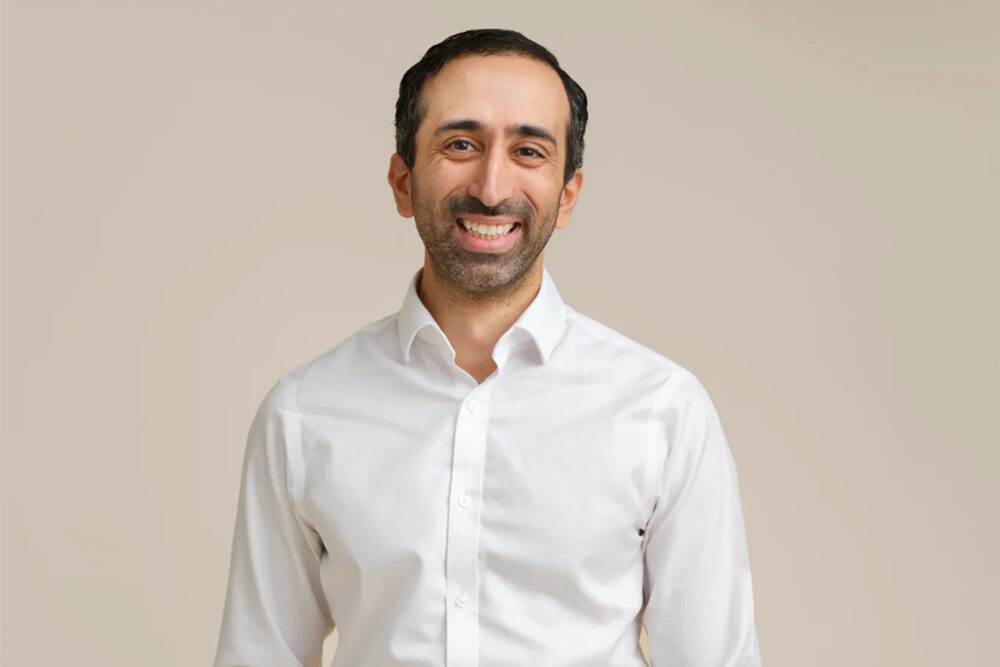
Michael Dabrowski, CEO of Pelago Bioscience, brings anindustrial perspective on the impact of the Stockholm ecosystem – a view that’s shaped by a long career in drug discovery. Dabrowski, a Danish native, earned his ‘scientific upbringing’, as he describes it, as a PhD student at Novo Nordisk in Copenhagen and then followed up with a postdoc at Oxford University. Eventually he moved to Sweden to spend a decade at AstraZeneca in various positions within neuroscience research. He co-founded Pelago Bioscience in 2013 – and yes, the company is also located in Hagastaden.
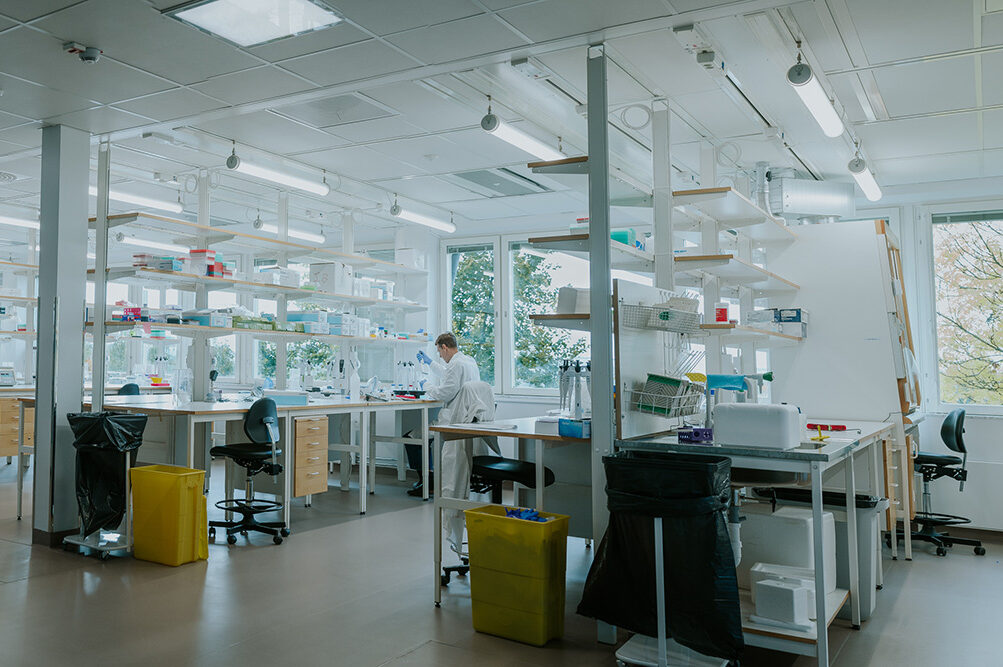
The company came into being the same way so many other Swedish life science startups do: as an academic spin-out. The company was built to commercialize the patented Cellular Thermal Shift Assay (CETSA) technology, invented by professor Pär Nordlund and his team at the Karolinska Institutet.
Dabrowski describes Pelago Bioscience as having been incubated in Stockholm’s life science ecosystem. But when asked about the relevance of the location to the birth of the company, he goes much, much further back than the advent of the CETSA technology. “I was at AstraZeneca before. And before the company became AstraZeneca, it was Astra, which had several sites in Sweden, including in Stockholm. There was Pharmacia as well, north of Stockholm. Stockholm had a tradition of drug discovery with those large companies,” he says, and continues: “Then Pharmacia, Pharmacia & Upjohn, and Pfizer shut down, and then AstraZeneca shut down. But while they were in operation, there were also spin-offs – that’s where Medivir and Swedish Orphan Biovitrum (Sobi) came from.”
He notes that the number of people with industrial science experience has decreased steadily since the large companies closed up shop. The conditions for the creation of new drug discovery companies have simply changed.
“We could do it back then because we were there, there was still a competence pool to harvest from. I think this is the real significance of the greater Stockholm region and its tradition of drug discovery,” he says.
We need commercial entities that do early discovery to keep teaching the next generation of academics how to do industrial science. They come out as postdocs, but there’s a difference between academic research and commercial research.
For Dabrowski, the erosion of large commercial employers doesn’t just mean fewer industrial experts, but it also poses a structural challenge. Drug discovery is uniquely risky and expensive, and without strong industrial anchors, the region risks losing the capacity to translate academic discoveries into therapies. “Early drug discovery is extremely risky. When we fail, we cost a lot of money,” he points out.
Dabrowski’s concern is not about scientific quality – he praises the excellence of the region’s universities and startups – but about maintaining the force needed to train the next generation of industrial scientists.
“We need commercial entities that do early discovery to keep teaching the next generation of academics how to do industrial science. They come out as postdocs, but there’s a difference between academic research and commercial research. We need a critical mass of employers and financing because this early drug discovery is such a risky business.”
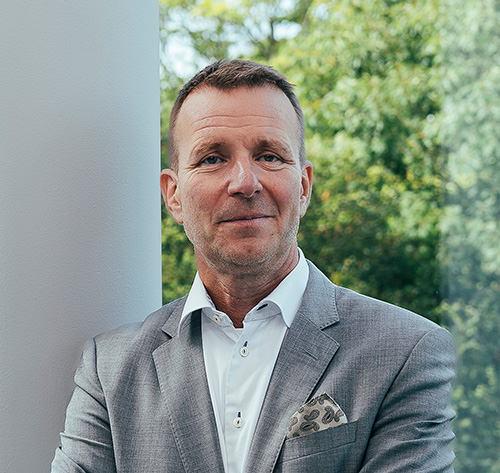
Despite these concerns, Michael Dabrowski – who refers to himself as a “pathological optimist” – looks brightly at the ecosystem and its future.
“There are so many institutions, so many startups. There are incubators and there is still a lot of experience and legacy to build upon here,” he says.
Stockholm has the ingredients of a globally competitive life science ecosystem. The city’s next chapter will be determined by whether it can continue to transform density into dynamism, excellence into implementation, and legacy into long-term industrial strength – one collaborative step at a time.
Updated: September 9, 2026, 06:06 am
Published: September 6, 2026