Finnish research joins new transatlantic cardiovascular network
The Institute for Molecular Medicine Finland (FIMM) at the University of Helsinki is joining ATHENA, a new five-year research network focused on the genetic and molecular mechanisms behind atherosclerosis.
August 10, 2026


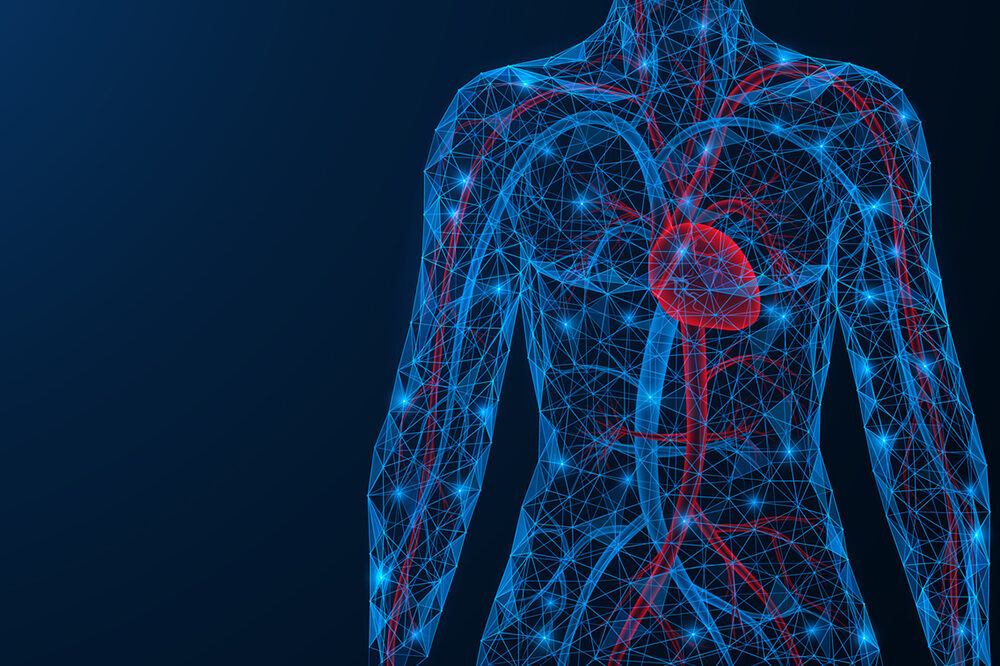
Atherosclerosis is the main underlying cause of heart attacks and strokes. The international network will combine human genetics, functional genomics and experimental research to identify new disease mechanisms and potential therapeutic targets.
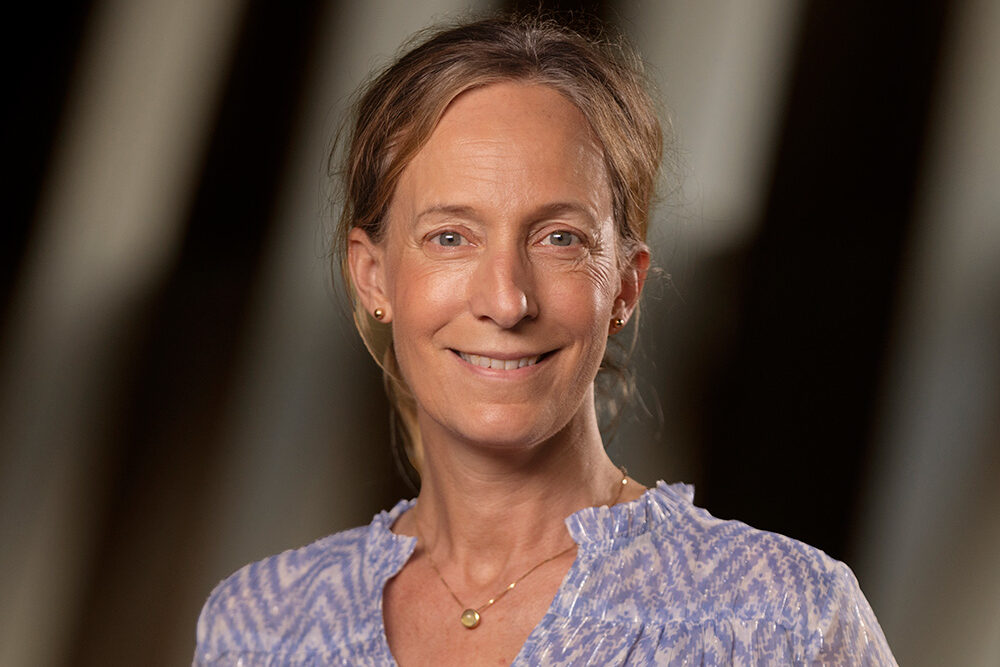
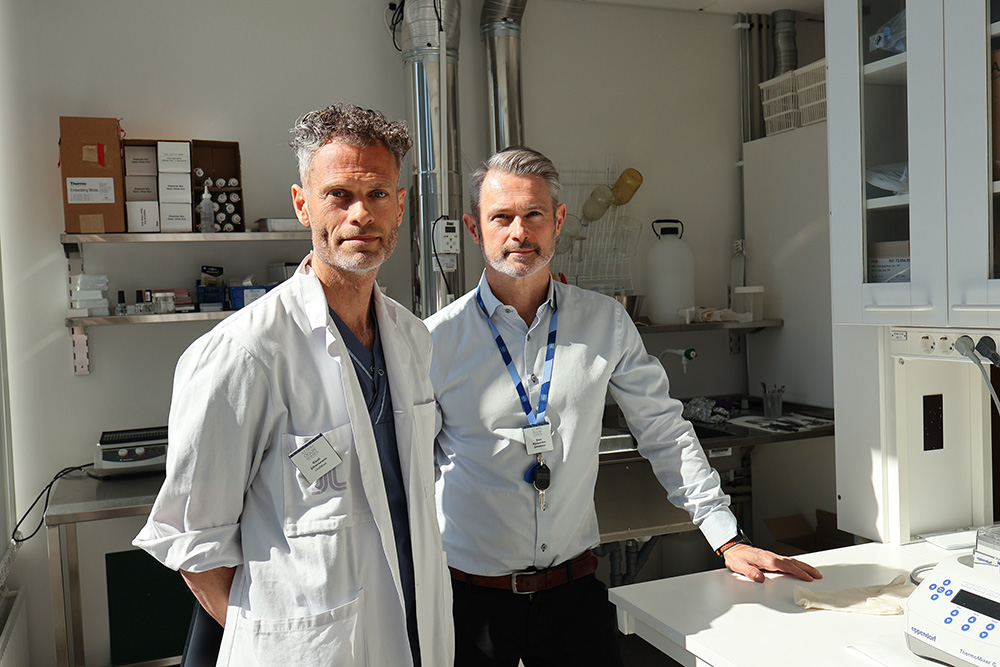
FIMM’s work will be led by Professor Samuli Ripatti, who will use data from Finland’s FinnGen project together with proteomic and clinical information. The aim is to identify causal genes and biological pathways involved in coronary artery disease and cerebrovascular disease.
“This is one of the biggest challenges in cardiovascular genetics,” says Ripatti, director of FIMM. “By integrating genetic discoveries with functional genomics and experimental validation, we can identify the causal genes and pathways that represent the most promising targets for future therapies.”
Nordic and international expertise
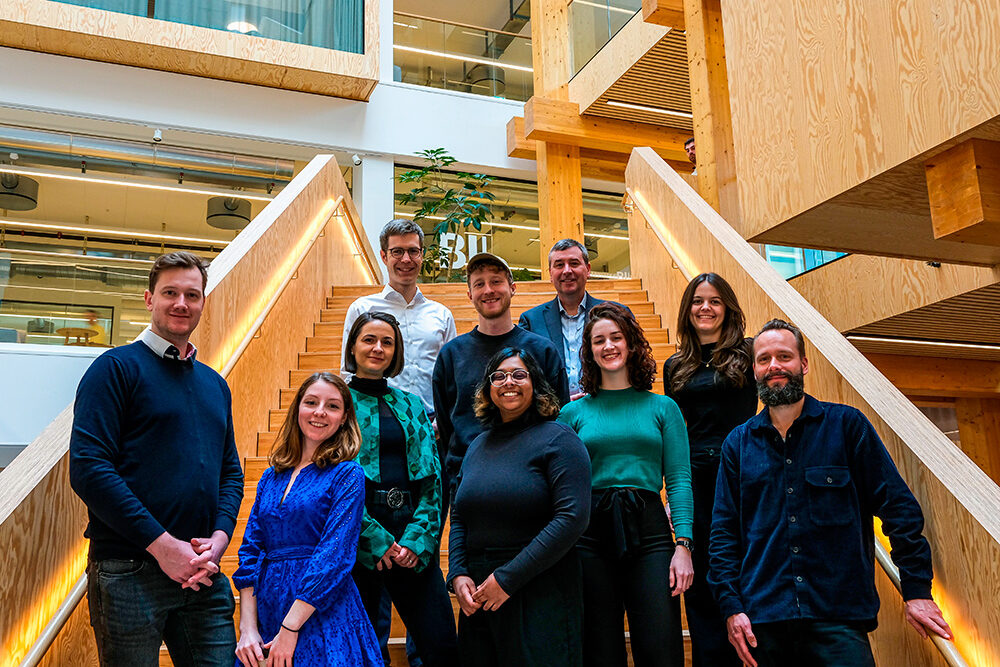
ATHENA brings together researchers from the University of Helsinki, Stanford University, the University of Cambridge, Karolinska Institutet and Washington University in St. Louis. The network will draw on expertise in population genetics, vascular biology, single-cell technologies and experimental disease models.
The project is coordinated by Professor Thomas Quertermous of Stanford University and Associate Professor Helle F. Jørgensen of the University of Cambridge. It is supported by the Fondation Leducq’s Transatlantic Networks of Excellence program.
Published: August 10, 2026