AI: Fewer missed cancer cases in breast cancer screening
The final results from Lund University’s MASAI trial are now available.
January 30, 2026


AI-assisted mammography screening in Sweden not only detects more breast cancers, it also appears to miss fewer aggressive cases between screening rounds, according to the final results from the trial.
The randomized study enrolled 106,000 women aged 40–74 in Sweden’s national screening programme. Earlier readouts showed that AI-supported screening increased cancer detection by 29%, mainly small, lymph node-negative invasive tumours, while reducing radiologists’ reading workload by 44% without raising false positives. With two-year follow-up now completed, the team has evaluated “interval cancers” – tumours diagnosed between a normal mammogram and the next scheduled screen, which are typically more aggressive and a key metric of screening effectiveness.
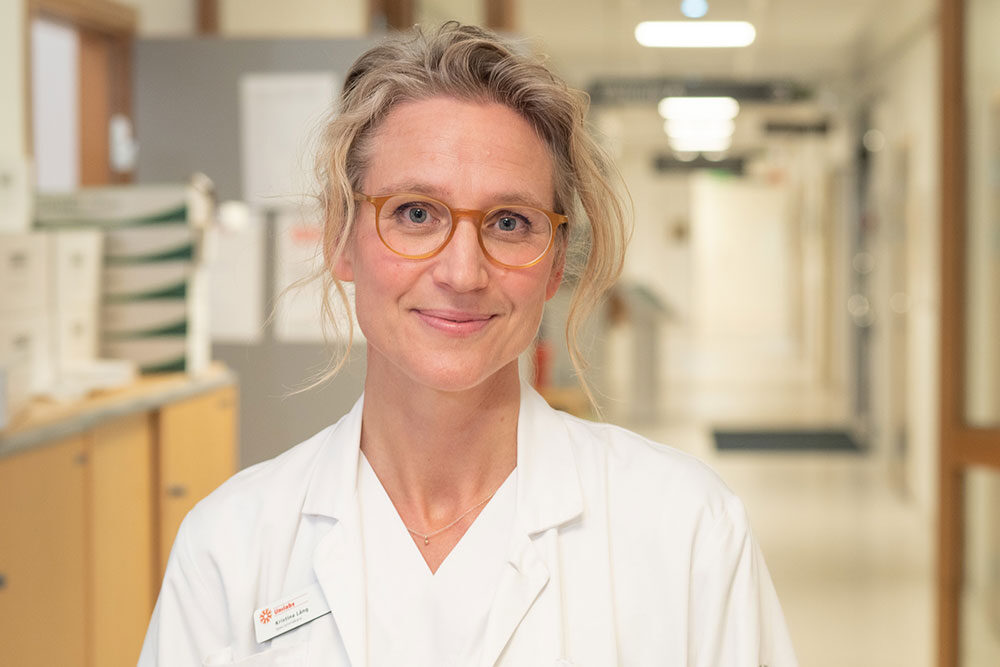
“With AI-supported screening, the sensitivity of the test increased without increasing the number of false positives,” says study lead Kristina Lång, associate professor in Diagnostic Radiology at Lund University and consultant in breast imaging at Unilabs Mammography unit in Malmö. The new data show fewer interval cancers and, among cancers that did arise, fewer advanced or aggressive cases in the AI arm.
The latest findings:
- Overall, there were 12 per cent fewer interval cancers with AI-supported screening compared to standard screening (82 compared to 93).
- Interval cancers after AI-supported screening also had more favourable profile:
– There were 16 percent fewer invasive cancers, i.e. those that can spread
– There were 19 percent fewer large cancers
Implementation
Implementation is already underway. Several Swedish regions have introduced AI-supported mammography, and more are expected to follow, as integrating AI software into existing IT systems is technically straightforward. For women, the screening experience remains unchanged; AI is applied after imaging to triage exams for single or double reading and to highlight suspicious findings for radiologists.
“As the method is simple, effective and now backed by strong clinical data, it is likely to have international impact in countries using mammography screening,” says Lång.
For the individual woman participating in screening, there is no noticeable difference; the mammography examination proceeds as usual. It is afterwards, when the images are to be read, that AI support is used. In traditional screening, the mammograms are read by two breast radiologists, a medical speciality that is in short supply. In the MASAI trial, AI was used to triage mammograms to single or double reading based on AI risk scores. AI was also used as detection support for the radiologists where it marked suspicious findings in the mammogram.
Updated: February 5, 2026, 07:52 am
Published: January 30, 2026