New blood test signals early Parkinson’s
A Swedish–Norwegian research team has identified blood-based biomarkers that could flag Parkinson’s disease up to two decades before classic motor symptoms appear.
February 4, 2026


The work, led by Chalmers University of Technology and Oslo University Hospital and published in npj Parkinson’s Disease, points to a time‑limited “window of opportunity” for earlier diagnosis and intervention.
Researchers analysed blood samples from people in the prodromal (very early) phase of Parkinson’s and from patients with established disease, using machine learning to track longitudinal gene activity patterns. They found a distinct signature involving DNA damage repair and cellular stress response pathways only in individuals at the earliest stage – not in healthy controls and not in patients whose motor symptoms were already manifest. These processes appear to switch on during the prodromal phase, which can last up to 20 years, and then fade as the disease progresses.
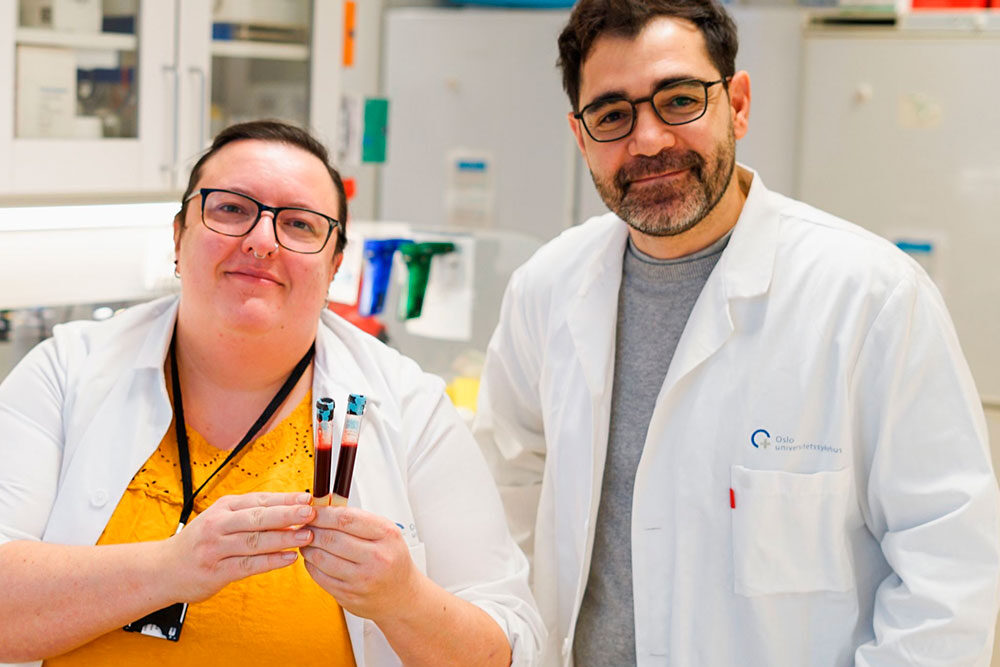
According to first author Danish Anwer and principal investigator Annikka Polster, the results suggest that early Parkinson’s biology leaves measurable traces in peripheral blood for a limited period, enabling risk stratification via a simple blood test. In contrast to markers requiring brain imaging or cerebrospinal fluid sampling, a blood‑based assay could support broad, cost‑effective screening once validated.
What’s next
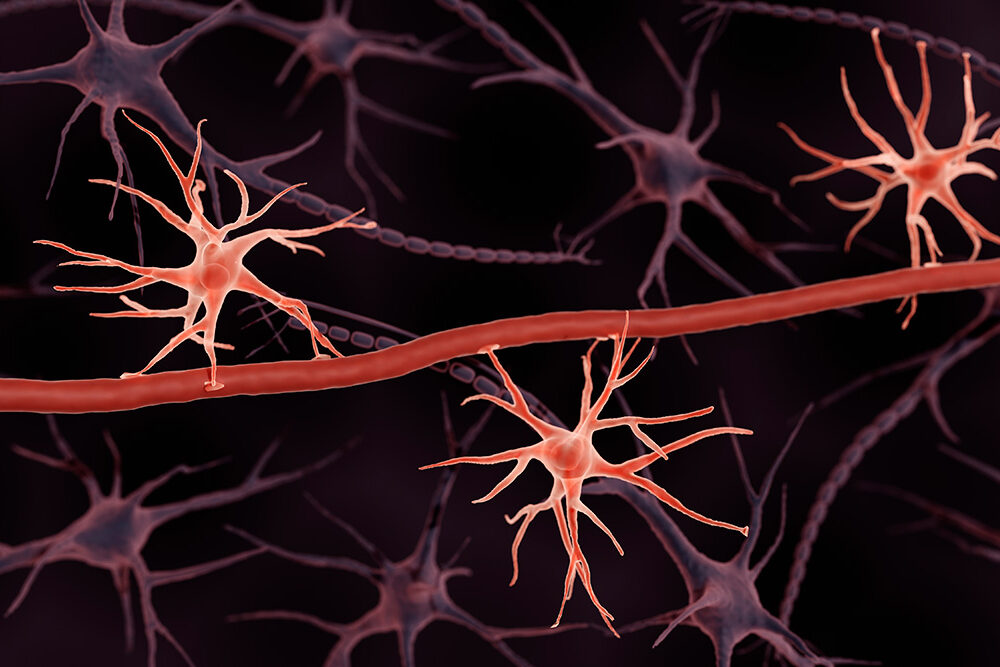
The team now aims to dissect the underlying mechanisms and refine detection tools, including more practical assays for clinical use. They estimate that pilot testing of Parkinson’s blood tests in healthcare could begin within about five years and hope the mechanistic insight will also guide the development or repurposing of drugs that target the same pathways. If successful, such approaches could shift Parkinson’s disease management towards true early intervention, before 50–80% of the vulnerable neurons are lost.
Published: February 4, 2026