Early-onset cancer rising across the Nordics for 12 of 18 cancer types

Cancer rates among adults under 50 rose for 12 of 18 cancer types in the Nordic countries between 2003 and 2022, according to a registry study published in The Lancet Regional Health – Europe. The study analyzed more than 2.2 million cancer cases from Sweden, Denmark, Finland, Iceland, Norway, the Faroe Islands and Greenland, covering nearly 28 million people.
September 25, 2026


Thyroid, colon and kidney cancer rose fastest, by more than 2.5% a year. Rectal, prostate and liver cancer, skin melanoma and multiple myeloma each rose by more than 1% a year. Colon and breast cancer increased most sharply among adults under 35, and rates were higher in the most recent generations.
There were also encouraging trends.
There were also encouraging trends. Early-onset lung cancer declined, in line with falling smoking rates among younger generations, and melanoma rates have fallen since 2013, consistent with lower sun exposure. Ovarian cancer also declined. The researchers say these trends point to opportunities for prevention.
Although the cancer risk among young individuals is very low in comparison to the older population, these increases are a concern since the reasons behind these patterns remain poorly understood.
Because the data are observational and contain no individual information on risk factors, the causes of the increases remain unclear. More sensitive detection methods likely explain part of the rise in thyroid and kidney cancer, and increasing obesity has been suggested as one contributing factor. Patterns were largely consistent across the region, which has high-quality cancer registration, nationally harmonized data in the NORDCAN database and tax-funded universal healthcare in every country.
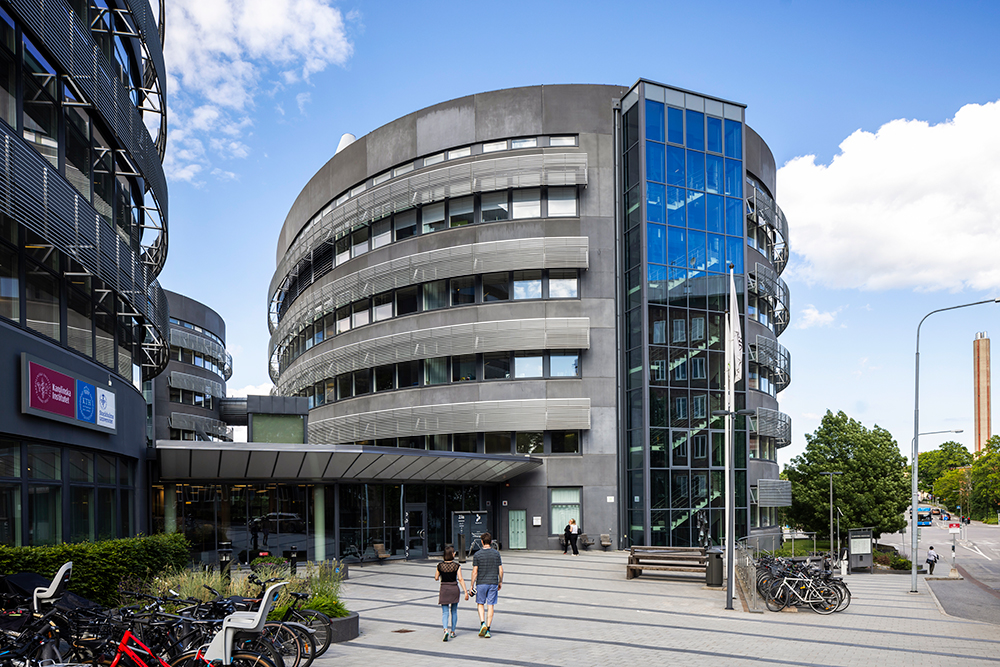
“Although the cancer risk among young individuals is very low in comparison to the older population, these increases are a concern since the reasons behind these patterns remain poorly understood,” says Anna Johansson, cancer epidemiologist at Karolinska Institutet and the study’s lead author.
The study is a Nordic collaboration between Karolinska Institutet, the Association of the Nordic Cancer Registries (ANCR) and the International Agency for Research on Cancer (IARC). It was funded by the Swedish Cancer Society and the Swedish Research Council. The next step is to identify groups at particularly high risk of early-onset cancer, to help guide prevention.
Source: Karolinska Institutet, September 16, 2026 — read the release · Read the study in* The Lancet Regional Health – Europe*
Updated: September 30, 2026, 09:39 am
Published: September 25, 2026