New leadership for the Wallenberg Foundations
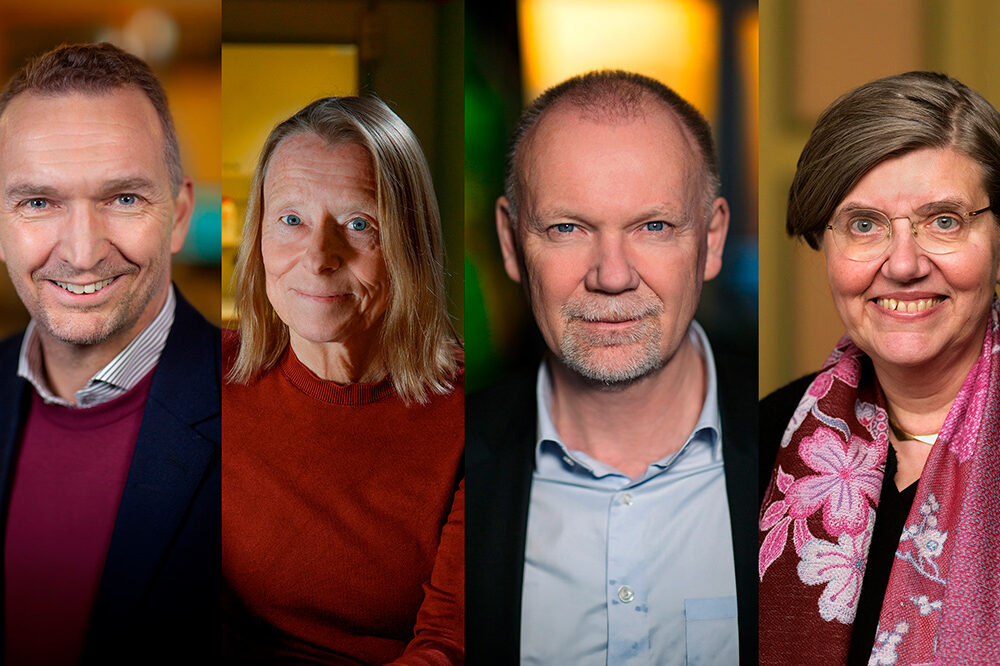
As of the turn of the year, the Wallenberg Foundations will be led by a new, broad-based academic leadership team comprising four academics.
July 3, 2026


A long-term and gradual generational transition
Over the past ten years, the Wallenberg Foundations have developed exceptionally, with steadily increasing grant levels for Swedish basic research and education. In addition to project and individual grants, a number of long-term, strategically funded programs have been launched in technologies and fields of knowledge that are important to Sweden. These programs connect basic research and competence development at several universities with industry and society.
The research landscape is also becoming increasingly dynamic, with convergence among different scientific disciplines, shorter lead times between basic research and application, and rapid societal change. At the same time, the Wallenberg family — which founded the 16 Wallenberg Foundations, or in whose name others have established foundations — is undergoing a long-term and gradual generational transition.
A new, broad-based academic leadership team
Against this backdrop, the timing is right for new leadership of the Wallenberg Foundations. With a new, broad-based academic leadership team, the Wallenberg Foundations can take the next step in their development. To achieve even greater impact from the Foundations’ grants in light of these developments, closer coordination is also needed across the natural sciences, engineering, and medicine, as well as with the social sciences and humanities. The rapid development in these fields makes it virtually impossible for one individual alone to have both the breadth and depth required to lead the Foundations’ work professionally into the future.
“I am also both pleased and proud that we have now put the final pieces in place to establish the quartet that, together with the Foundations’ boards, will guide these organizations into the future. With the new leadership, we will be able to take the next step in the development of the Foundations and contribute even more strongly to excellent basic research and education at Swedish higher education institutions. Ultimately, we are now creating the conditions to continue working in the spirit of service to the nation prescribed by our statutes,” says Peter Wallenberg Jr, Chair of Knut and Alice Wallenberg Foundation and Marianne and Marcus Wallenberg Foundation.
Accordingly, as of the turn of the year, the Wallenberg Foundations will be led by these four academics:
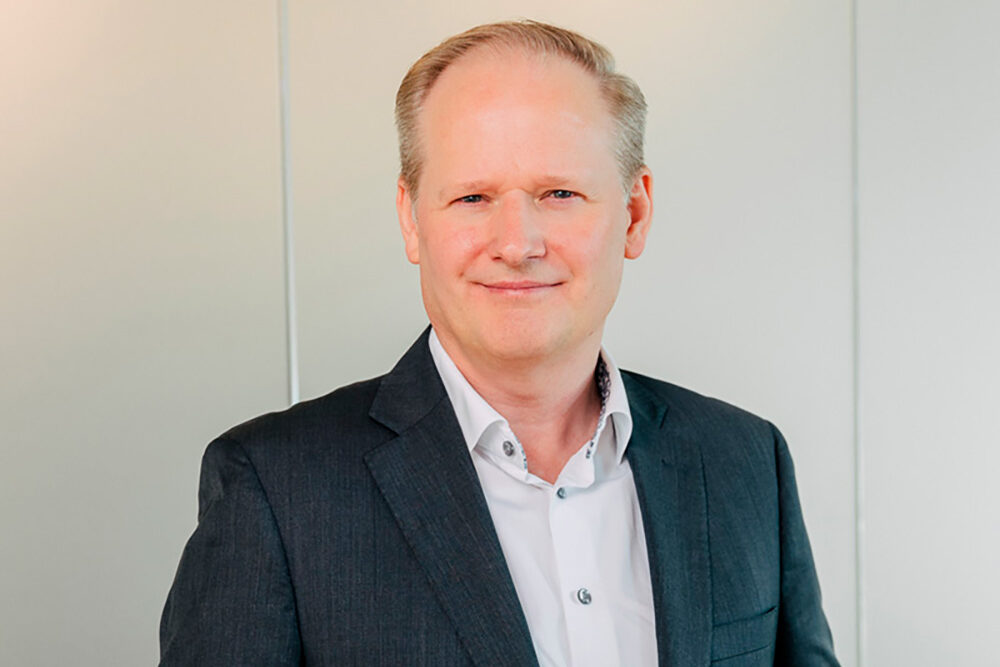
Professor Magnus Berggren, new Executive Director of Knut and Alice Wallenberg Foundation
Magnus is a physicist from Linköping University who has made major contributions to the development of the field of organic electronics and is one of two scientific directors of the Wallenberg Initiative Materials Science for Sustainability, WISE.
“I am pleased and grateful for the trust I have been given. The Wallenberg Foundations’ long-term grants play a central role in developing Sweden as a research nation. This is built on strong mutual trust between researchers and the Foundations. I look forward to helping develop this trust and promoting scientific excellence through free basic research of the highest quality,” says Magnus Berggren.
Professor Anders Ynnerman, new Deputy Executive Director of Knut and Alice Wallenberg Foundation
Anders has a very strong research profile in IT, Visualization and AI and, among other achievements, has built up Visualization Center C at Linköping University. Anders is Chair of the Wallenberg AI, Autonomous Systems and Software Program, WASP. Anders also has extensive experience building and operating computer infrastructure for large-scale computing, for example in the field of AI.
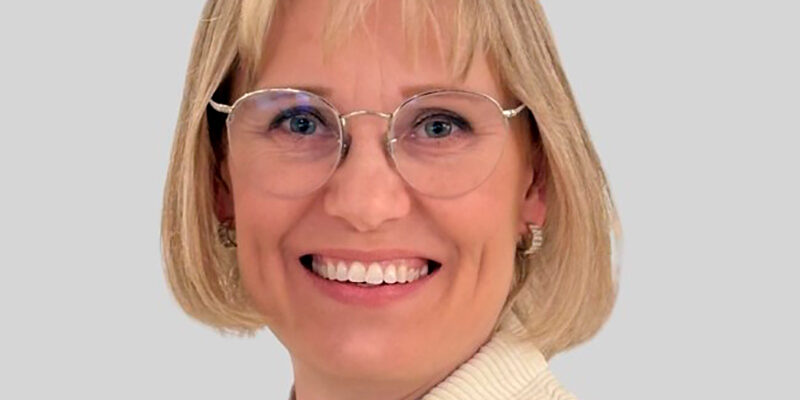
Professor Siv Andersson, new Deputy Executive Director of Knut and Alice Wallenberg Foundation
Siv conducts research in molecular evolution at Uppsala University and has been a driving force in the development of Science for Life Laboratory and the Data-Driven Life Science Program, DDLS.
Professor Astrid Söderbergh Widding, Executive Director of Marianne and Marcus Wallenberg Foundation and Marcus and Amalia Wallenberg Foundation
Astrid is one of the Nordic region’s most experienced and respected academic leaders in the humanities and social sciences. She served as president of Stockholm University for twelve years, previously chaired the Association of Swedish Higher Education Institutions, and is currently Chair of the Nobel Foundation.
The current Executive Director will step down
In connection with this change, Sara Mazur, the current Executive Director of Knut and Alice Wallenberg Foundation, will step down at the turn of the year after a total of eight successful years, including the last almost three years as Executive Director.
“First and foremost, I would like to thank Sara for her significant contributions to the Foundations’ activities over the past eight years. Sara has shown great commitment to the Foundation and to Swedish research, and she has also played an important role in operationally developing the Foundation’s excellence initiatives and strategic programs. We hope to find new ways to work together with Sara going forward,” says Peter Wallenberg Jr, Chair of Knut and Alice Wallenberg Foundation and Marianne and Marcus Wallenberg Foundation.
“I am very grateful and proud of the eight years I have worked with Knut and Alice Wallenberg Foundation. It has been incredibly stimulating and meaningful to contribute to strengthening and developing Swedish basic research, building critical expertise, and also supporting innovation that emerges from basic research. I look forward to finding new ways to contribute to the ecosystem around the Wallenberg family,” says Sara Mazur.
Updated: July 15, 2026, 12:39 pm
Published: July 3, 2026