Taking Nordic research on personalized pharmaceuticals to the next level

A large-scale Nordic collaboration has developed the research on personalized pharmaceuticals and led to researcher training and mobility, new patient-oriented products, new technologies and startups.
March 17, 2026


Nordic POP
The research project Nordic POP set out in 2018 to develop the infrastructure and enhance the knowledge on personalized pharmaceuticals. Inter-disciplinarity was one of the core structures of the project.
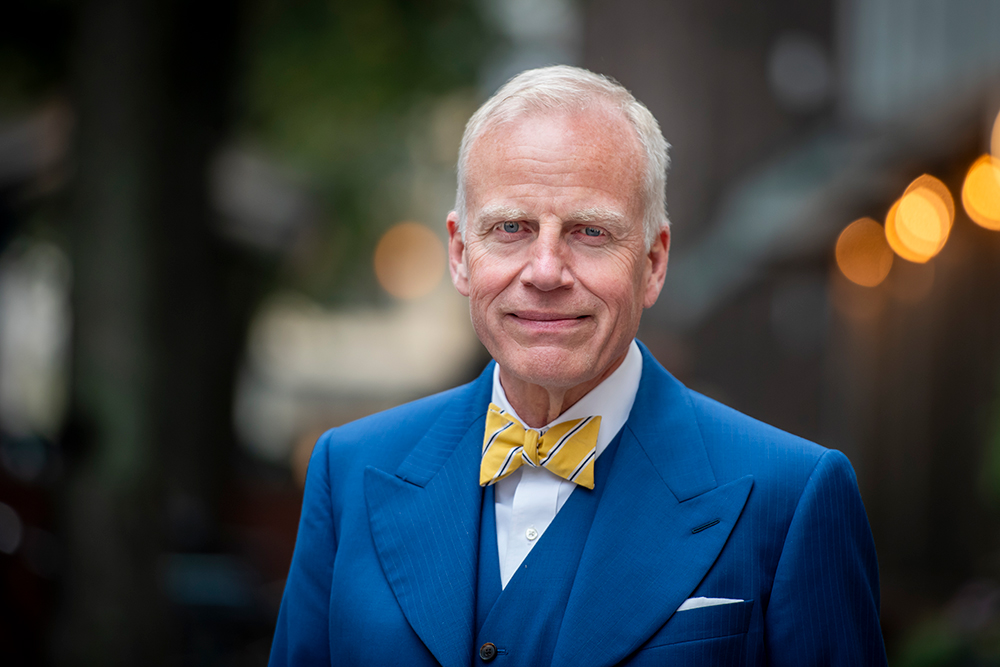
“It is important that we identify biomedical innovations and new ways of treating people. After that we start thinking about the product development. That’s why the project was named POP short for ‘patient-oriented products’. We optimize the design and features of the pharmaceutical products to the purpose of the patient. That involves not only biology but also aspects of chemistry, physics, engineering and social sciences. Pharmaceutical science is truly an applied science. Putting this all together, I would claim that we are a very strong global network,” says project leader Jukka Rantanen, Professor and Head of Department at the University of Copenhagen to NordForsk.
The project has explored a variety of pharmaceuticals in different forms; tablets, creams, inhalable products and injectables.
Large-scale collaboration
The project is a large-scale collaboration between ten universities in Denmark, Sweden, Norway, Finland and Iceland.
With all the geopolitical uncertainty, it’s been very difficult to keep the connections with the US alive, and the connections with China have another layer of complexity. So, to have close mobility, short and easy travel distance to the laboratories and a robust network has been very important for us.
“The core researchers in this project are about the same age and knew each other from when we were PhD students. All of us had connections to the United States, China and Australia, but the collaborations started to be scattered, and it was quite laboursome to do all the travel. We therefore saw the potential of a local PhD community and a need for collaboration with close neighbours to build sustainable research networks,” says Rantanen to NordForsk. “This has become even more clear in the years after the pandemic. With all the geopolitical uncertainty, it’s been very difficult to keep the connections with the US alive, and the connections with China have another layer of complexity. So, to have close mobility, short and easy travel distance to the laboratories and a robust network has been very important for us. The project has been a smooth collaboration based on similar values, minimal hierarchical structures and the dialogue is done in an open Nordic way,” he continues.
The project has focused on building networks across the Nordic countries and providing mobility opportunities for both MSc and PhD students.
I would say that the main outcome of the project are the generations of PhD students who have been trained through this project.
“Many of us in the core senior team have been around the world to do our PhD studies, postdocs and sabbaticals. Therefore, we share the opinion that research experience abroad is important. The easiest way to change country is to a neighbouring one with like-minded people. Mobility is also a way for us to mix the Nordic academic scene and ultimately provide workforce for the Nordic pharmaceutical industry,” says Rantanen to NordForsk. “I would say that the main outcome of the project are the generations of PhD students who have been trained through this project. That’s the major impact. They have really reached out into the societies and are now working in different companies.”
Startups and industry impact
Several startups have also been founded based on the project. One of them, CurifyLabs, has developed a platform and technology that enable the 3D printing of personalized pharmaceuticals. Niklas Sandler Topelius founded the company in 2021 after having been part of Nordic POP. He was a Professor and the Vice-Rector at Åbo Akademi University in Finland when the project started, and together with his team he did research on how 3D printing technologies can be used for small-scale, patient specific pharmaceutical manufacturing.
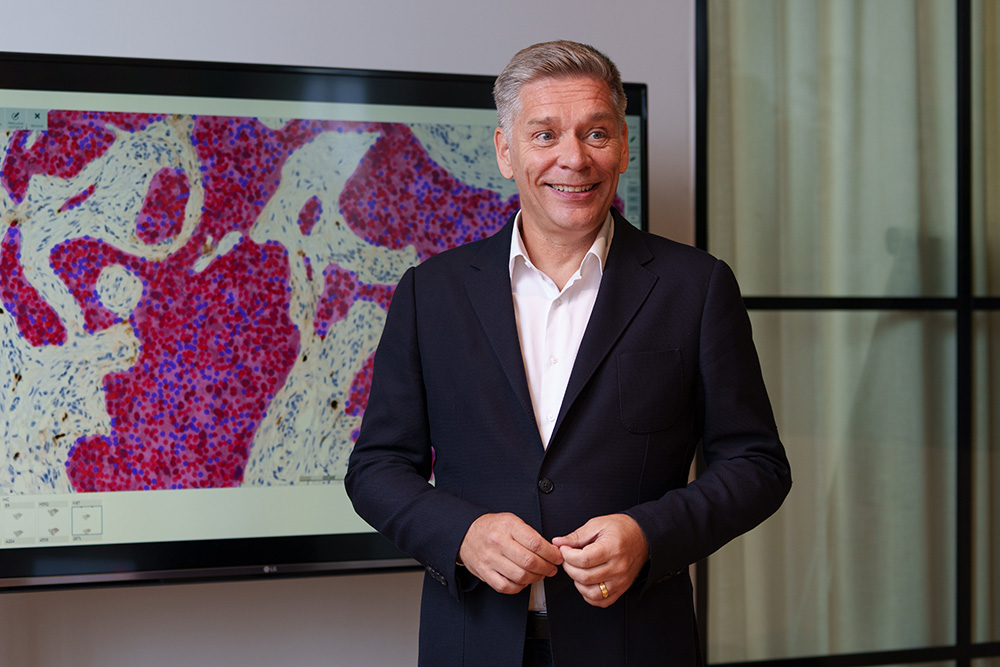
“We saw the potential of technical solutions automatizing something that traditionally had been done manually and wanted to bring these concepts from the research environment to practical use in pharmacies and hospitals. My experience is that it’s through business that innovations really reach the markets and can help patients. Taking the step toward starting a company therefore felt natural,” he says to NordForsk.
“The fact that we shared infrastructure and competence made it possible to do more advanced projects and build meaningful long-term collaboration. That experience of collaborating over organizational boarders has been very valuable also in the business world where partnerships and networks are decisive for success,” says Topelius to NordForsk.
The way forward
“With this project we have learned to work together in the Nordics within this field. It’s very important that we keep up the momentum and continue the mobility activities, continue the world class training in the Nordics, and make sure we build a strong industry here. With a strong industry we can ensure quality medicine and production as well as supply chain security for the whole region. And as additional Nordic added value, we can provide a well-educated future workforce for the local life science community. We have the capacity to send teachers around the Nordics and share teaching material so we can make sure the training in the Nordic countries becomes more aligned,” says Rantanen to NordForsk.
With a strong industry we can ensure quality medicine and production as well as supply chain security for the whole region. And as additional Nordic added value, we can provide a well-educated future workforce for the local life science community.
He and his colleagues are currently working on a new NordForsk-funded research project called Nordic Pharmaceutical Translation and Innovation (NordicPharmaTrain).
“In Nordic POP we had mostly scientific ambitions. With NordicPharmaTrain we aim to take one step further towards translation from science to the industry and hospitals. We want to see the medicine in use and give a stronger support to startup thinking, entrepreneurship and innovation as well as build a stronger interface with industrial collaboration,” he says to NordForsk.
Source: NordForsk
Published: March 17, 2026