Effects of climate change on health

The impact of heat due to climate change is becoming increasingly evident even in the Nordic countries. Heat is a significant cause of mortality among vulnerable groups and risks are further amplified by exposure to air pollution. It is thus crucial that cities be adapted to mitigate this phenomenon and adaptations made must benefit everyone, regardless of socioeconomic status.
January 4, 2026


Climate change is a fact, as evidenced by rising global temperatures, and rising temperatures also affect global health. When you get too warm the body tries to cool down, your heart needs to pump harder to get blood into the peripheral regions of the body, and you also need to sweat more. All these physiological responses to heat stress can be very hard on the body, especially for society’s most vulnerable.
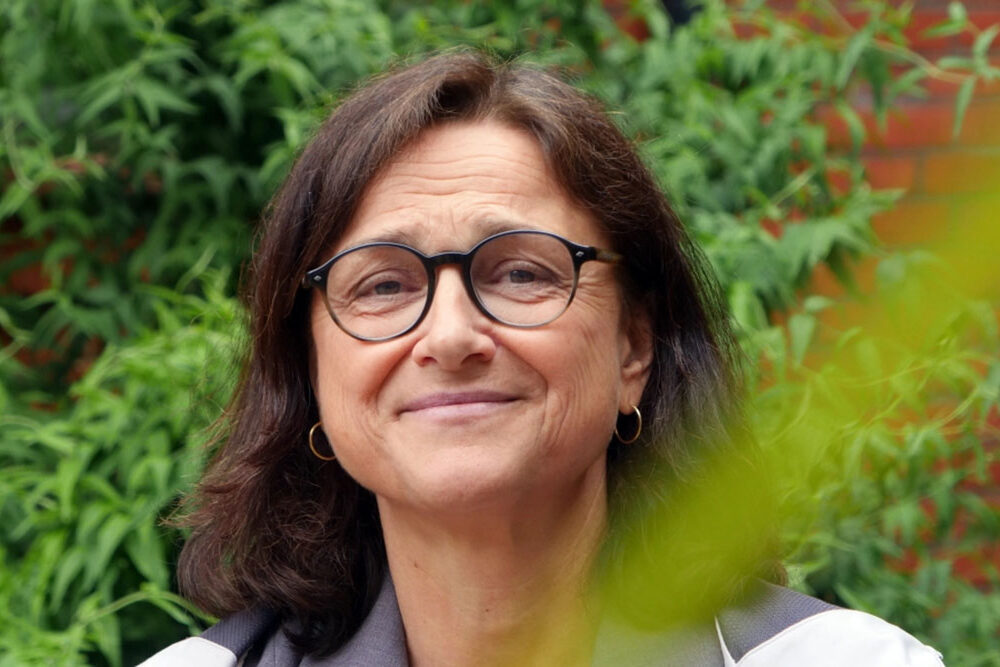
Kristin Aunan, Research Director and Climate Scientist at the Center for International Climate Research Change (CICERO) in Oslo, Norway, has extensively studied the effect of heat and air pollution on health, and evaluated equitable interventions aimed at reducing the impact. Aunan, her team, and other external partners have analyzed 20 years of data from people in over 200 European cities, focusing on the effects of temperature, especially in individuals with other diseases such as cardiovascular and respiratory diseases. The study confirmed a strong link between heat and mortality.
The teams also explored the combined effects of heat and air pollution (Zhang et al., Environmental Research, 2024), in particular fine Particulate Matter (PM2.5) and ground level ozone (O3), and found a synergistic effect: excess mortality is higher when people are exposed to both heat and air pollution compared to exposure to heat alone. These results indicate that southern and southeastern Europe experience higher excess mortality from this combined exposure, influenced by overall population health and other vulnerability factors.
The most fragile to heat
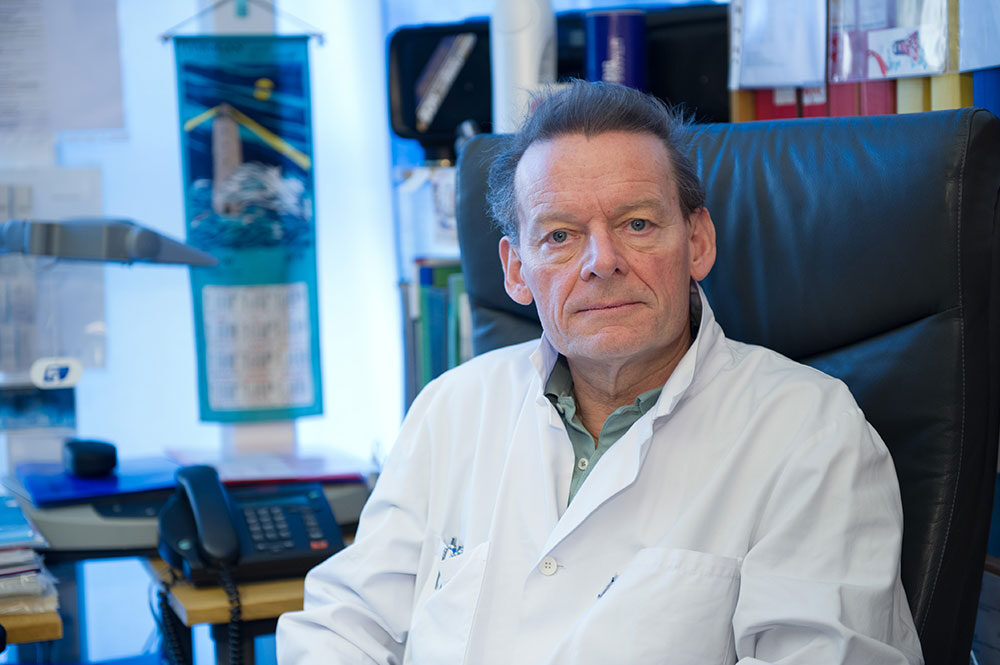
Anette Hylen Ranhoff is a geriatrician and specialist in internal medicine with over 40 years of clinical experience. Throughout her career, she has observed that people with cardiovascular, respiratory or other chronic conditions, as well as older people (over 75 years), are the most vulnerable to heat.
There is also a clear socioeconomic gradient: people living in poverty, particularly those in small apartments in city centers, and with limited access to protective measures such as air conditioning are at greater risk of heat-related illness and death.
“In addition, individuals with dementia face high risks because they may not recognize the dangers of heat or take appropriate action to protect themselves,” she points out.
“There is also a clear socioeconomic gradient: people living in poverty, particularly those in small apartments in city centers, and with limited access to protective measures such as air conditioning are at greater risk of heat-related illness and death,” she adds.
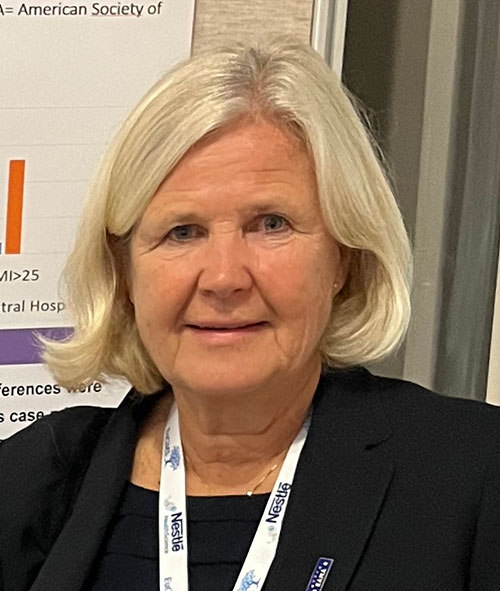
In the worst case scenario, a lack of protection from heat may lead to heat stroke, i.e. when the body temperature becomes uncontrolled and can rise to around 40°C. This is a very dangerous condition, similar to having an extremely high fever, and can cause severe damage to internal organs, although it is relatively uncommon, explains Hylen Ranhoff, Professor of geriatrics, University of Bergen.
“It is more common that people experience dehydration due to excessive sweating. They may become dizzy or confused and fail to drink enough fluids, which can lead to organ damage, particularly to the kidneys,” she says.
“I think one of the most important things we can do is remain aware and alert when temperatures are high. This is an essential message to those working in elderly care, such as home nursing services, as well as for family caregivers,” Hylen Ranhoff advises.
High temperatures can also have a negative effect on pregnant women. Jeroen de Bont, an environmental epidemiologist at Karolinska Institutet with extensive experience, studies these effects.
High temperatures may alter the functioning of the placenta, trigger contractions, or disturb hormonal and immune regulation.

“High temperatures may alter the functioning of the placenta, trigger contractions, or disturb hormonal and immune regulation. These processes increase the risk of complications such as hypertensive disorders, placental abruption, and impaired fetal growth. In some cases, heat exposure has also been linked to developmental changes that may lead to birth defects, stillbirth, or neonatal death,” he says. “These associations have been seen in Europe, although the relationships appear to be stronger in low- and middle-income countries.”
Protecting those most at risk
Rising temperatures reduce the productivity of both outdoor workers and indoor employees who don’t have access to air conditioning (AC). Outdoor workers need protection such as shade and shelter, regular breaks, and proper hydration to prevent heat-related health risks. For indoor workers, access to AC is crucial. Although its use is expanding across Europe, AC remains less common in northern regions, where rising temperatures also have been observed. Studies indicate that in northern territories, extremely hot days are associated with a 27% rise in respiratory mortality (Zafeiratou et al., Environmental Epidemiology, 2024) compared to the risk on moderately hot days. During extreme heat waves, high demand for electricity can also cause blackouts, showing that reliance on AC alone is not sustainable. Furthermore, AC requires power that generates emissions and contributes further to warming. Researchers therefore emphasize the importance of adaptation strategies, including urban green spaces, climate-sensitive building design, and shade.
Population growth and demand for housing are leading to fewer green areas in many European cities. This in turn exacerbates the effects from urban heat islands in cities as asphalt and concrete absorb and retain heat. Research shows that parks and trees help mitigate these impacts, so they act as Nature Based Solutions (NBS), which highlights the protective role of urban greenery. To address the loss of space, architects are also experimenting with green roofs and walls.
Looking ahead, research will focus on assessing the effectiveness of different adaptation measures and ensuring that the most vulnerable groups of society are better protected from the growing threat of frequent and intense heat waves.
As the impact of heat is becoming more evident, cities need to quickly adapt. This means that architects and local authorities alike need to ensure that heat measures are equitable and protect everyone. “When green spaces are developed, wealthier residents may benefit disproportionately – a phenomenon known as green gentrification – which can limit access for vulnerable populations. Local authorities need to address these issues to ensure heat adaptation measures protect everyone,” Aunan outlines.
“Heat-related deaths result from a complex interplay of physiological, individual, and societal factors. Looking ahead, research will focus on assessing the effectiveness of different adaptation measures and ensuring that the most vulnerable groups of society are better protected from the growing threat of frequent and intense heat waves,” concludes Kristin Aunan.
About the author

Paula Pérez González-Anguiano, M.Sc. in Scientific, Medical and Environmental Communication, is a Biotechnologist, Science Journalist and Illustrator based in Barcelona, Spain.
Updated: June 25, 2026, 05:54 pm
Published: January 4, 2026