Stockholm Science City’s Ylva Williams sees a more integrated life science region emerging
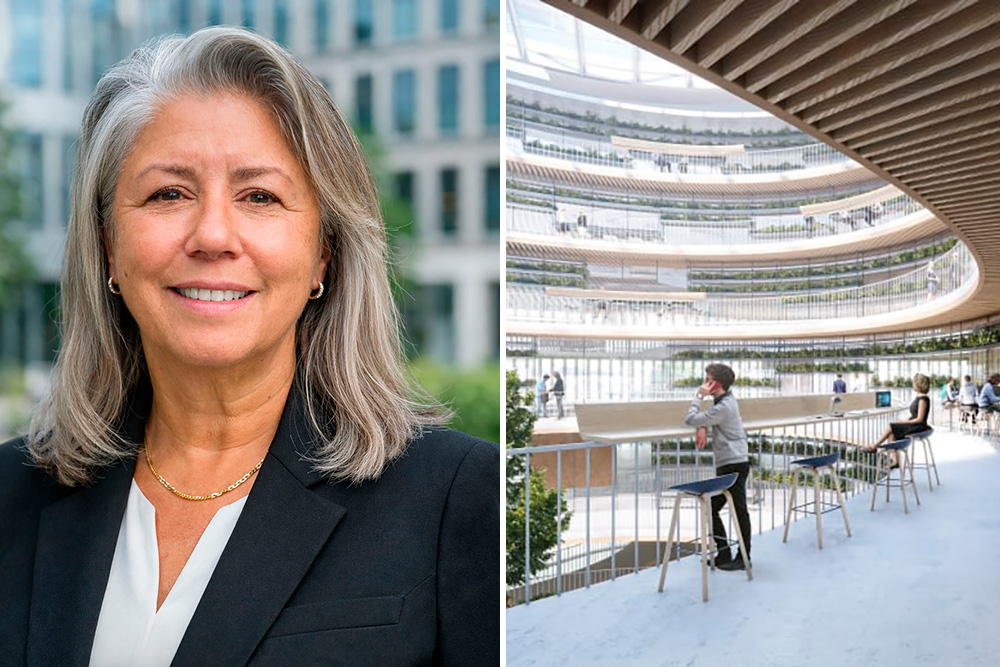
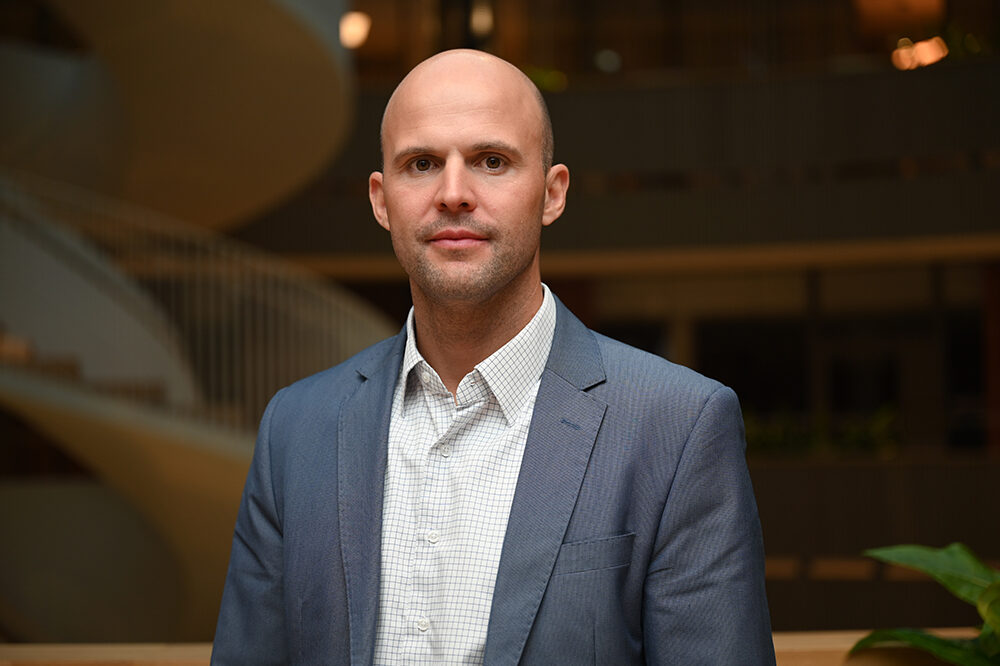
Once a fragmented landscape of strong research but limited cohesion, Stockholm’s life science ecosystem is now accelerating toward a more integrated future – a shift that Stockholm Science City’s CEO Ylva Williams has helped drive over nearly two decades.
April 29, 2026


Stockholm Science City (SSCi) serves as a neutral facilitator in the capital region’s life science ecosystem. With a team of seven, SSCi works to map the landscape, build multidisciplinary networks, and address bottlenecks that no single actor can resolve alone.
The organization was founded by the four universities in Stockholm: Karolinska Institutet, KTH Royal Institute of Technology, Stockholm University, and Stockholm School of Economics. It receives funding from the first three universities in the list, as well as the regional and municipal governments.
A much more complete life science ecosystem
SSCi’s CEO Ylva Williams has led the organization since 2009, when the local ecosystem was far less cohesive. Today, she operates in a region that has undergone a impressive transformation.
“Stockholm has gone from producing very strong research to becoming a much more complete life science ecosystem, where clinical implementation, investments, and the physical infrastructure now accelerate in parallel,” she says.
Several forces are driving this shift – underpinned by capital that’s becoming more strategically organized, according to Williams.
They’re now building a system where diagnostics, research, and healthcare are joined from the start and, most importantly, close to the patient.
Precision medicine is moving from longterm ambition to clinical reality, supported by the reconstruction of Karolinska University Hospital’s research facility BioClinicum.
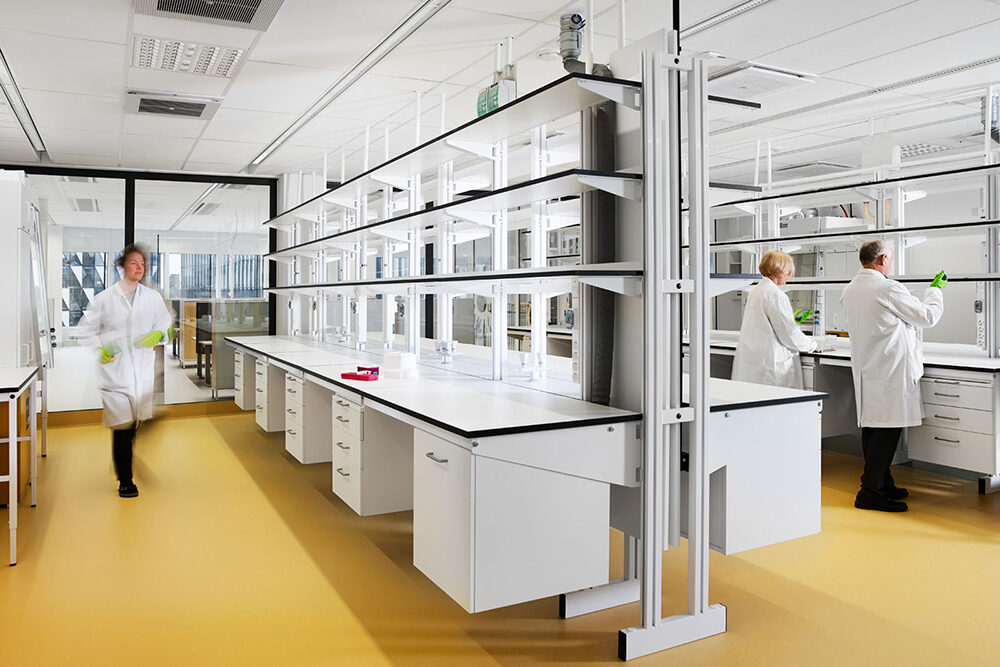
“What’s interesting about BioClinicum isn’t the technology in itself – because we’ve had that for many years already. It’s that they’re now building a system where diagnostics, research, and healthcare are joined from the start and, most importantly, close to the patient,” says Williams.
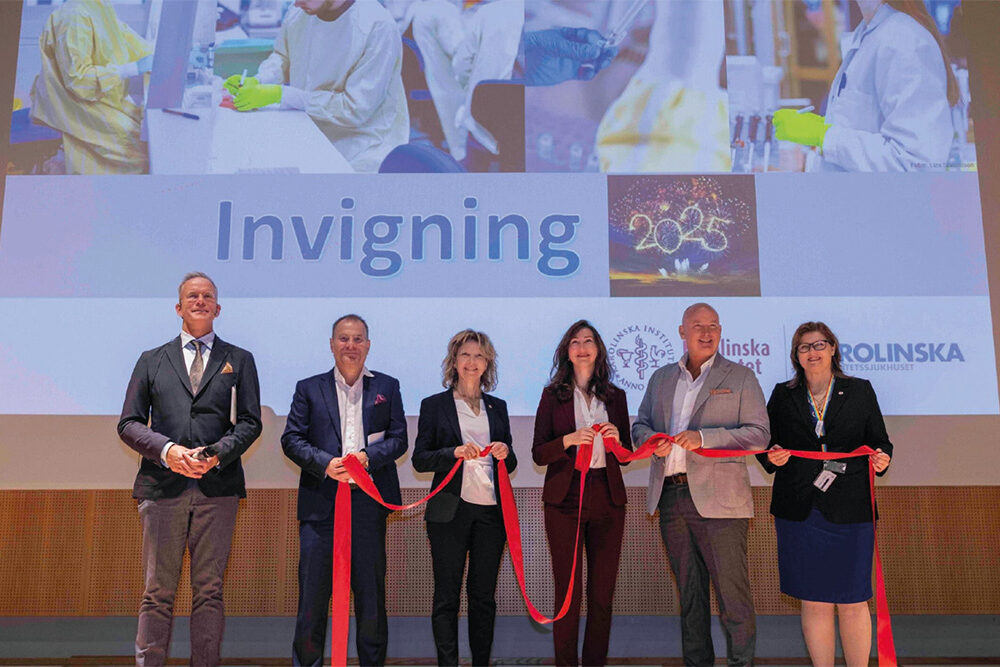
Flemingsberg could potentially take a global position in ATMP.
At the same time, advanced therapies are edging closer to industrial scale. Flemingsberg, in southern Stockholm, is emerging as a potential global node for ATMP.
“Flemingsberg could potentially take a global position in ATMP,” she says, but cautions: “However, that requires that we can scale innovation as well, and not just conduct research.”
An innovation district
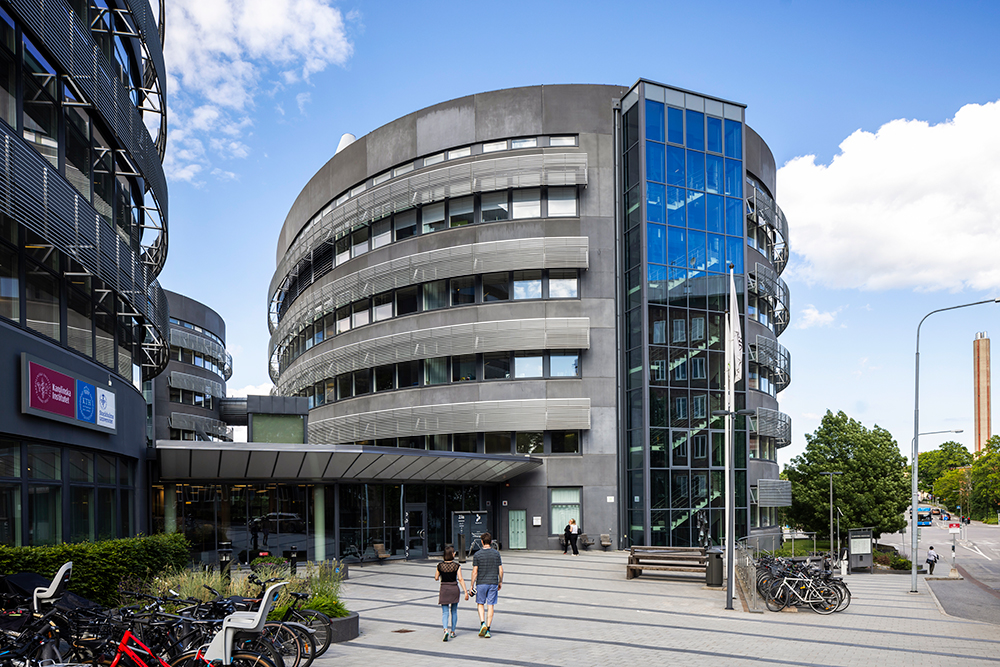
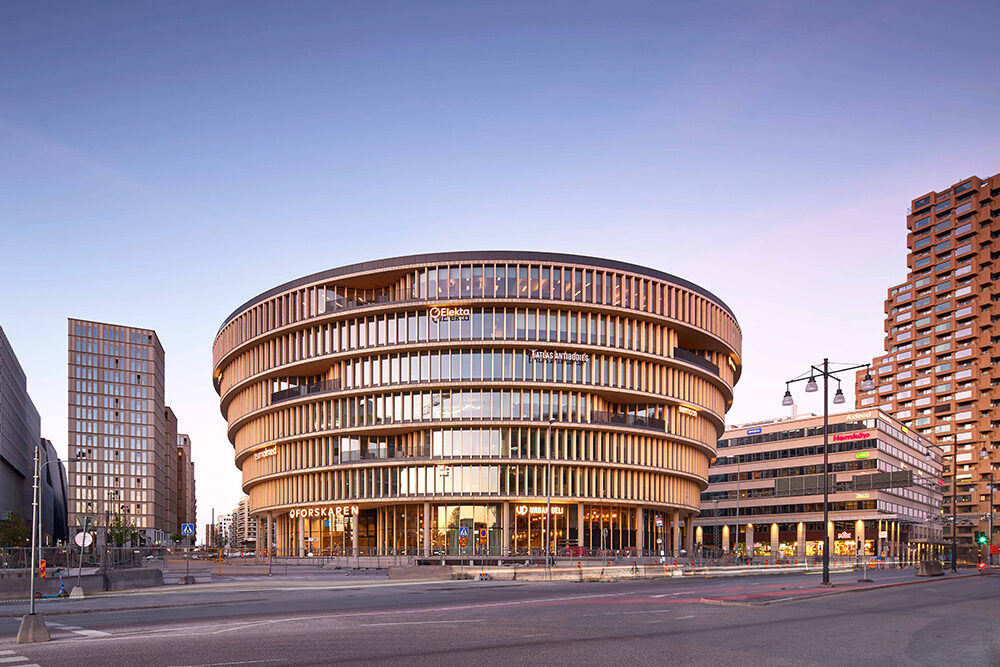
Physical concentration is reinforcing this momentum. Hagastaden – the life science hub on the northern rim of central Stockholm – has reached critical mass as an innovation district, having grown from 59 companies in 2010 to more than 230 today.

Hagastaden – A vibrant science city
An old train station area just north of the Stockholm city center is being developed into a unique ecosystem for life science researchers and businesses.
“Hagastaden shows how physical proximity and vibrant meeting places can foster a thriving innovation ecosystem,” Williams says. “It’s not just about urban development – it’s an infrastructure for innovation, in my opinion.”
Still, Williams emphasizes that the functional cluster extends across the Stockholm–Uppsala region, home to roughly half of Sweden’s life science companies.
A visible and attractive destination
Looking ahead, Williams sees several dynamics that will shape the region’s competitiveness. How the state defines its role in the pharmaceutical system will influence both cost control and the speed at which new treatments reach patients. Sweden’s ability to implement innovations at the same pace as it develops them is becoming equally critical.
And in a global race for talent and capital, international visibility remains essential:
“Stockholm is competing globally, and we have to continue being a visible and attractive destination both for international research talent and capital,” she concludes.
Published: April 29, 2026