Investigation: The Cancer Calculus
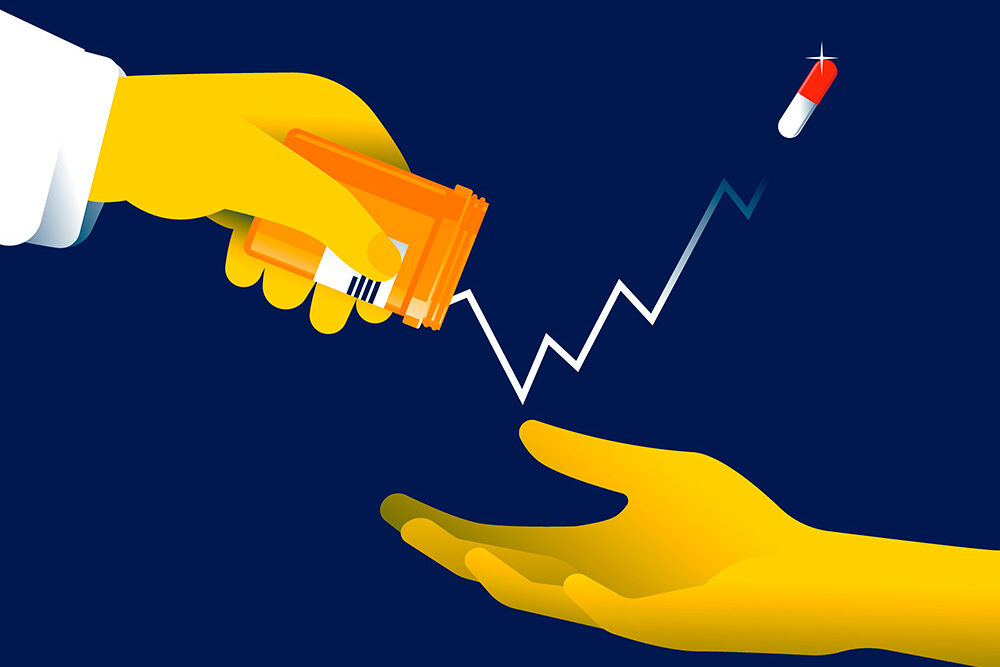
It’s no small irony that one of the world’s most effective cancer drugs also is one of the least accessible.
June 8, 2026


But that is just the case for Merck & Co.’s (MSD outside the US) drug Keytruda, a game-changer when it comes to cancer treatment. A year-long international investigation led by the nonprofit International Consortium of Investigative Journalists (ICIJ) has uncovered Merck’s efforts to keep Keytruda’s price high and access limited.
In countries including the Netherlands, Belgium and Finland, officials have already called for inquiries into the pricing and transparency practices surrounding Keytruda.
A series of stories called The Cancer Calculus was published worldwide and outlined how Merck manipulated prices in different markets. Reaction was swift. Within days of publication, the ICIJ reported that: “lawmakers and activists in the United States, Europe, and Mexico reacted publicly. The findings struck a nerve that could not be ignored. In countries including the Netherlands, Belgium and Finland, officials have already called for inquiries into the pricing and transparency practices surrounding Keytruda.”
Hope to millions at a high cost
First approved on September 4, 2014, Keytruda transformed cancer treatment and gave hope to millions. As an immunotherapy drug, it allows the body’s immune system to find and destroy cancer cells. It was initially approved to fight advanced melanoma, and is now used to treat 19 different tumors, according to ICIJ, and the treatment usually lasts two years.
The cost of a 200 mg dose of Keytruda can range from USD 5,858 to USD 43,800 in the US.
But that miracle treatment comes at a high cost. Prices vary widely in different countries as do means of payment. The cost of a 200 mg dose of Keytruda can range from USD 5,858 to USD 43,800 in the US, according to data provided to ICIJ.
Collaborated with investigative journalists all over the world
The investigation kicked off after a tip from a whistleblower, then turned into something completely different, says Sydney P. Freedberg, ICIJ’s Chief Reporter, who worked on the article, to NLS.
“We started looking at the pharmaceutical industry and then narrowed it down. We began looking at best-selling drugs, and it took us years to look at one drug, so it became a great case study,” she says.
The reporters collaborated with investigative journalists all over the world, and the ramifications of the findings are global, according to Brenda Medina, another ICIJ reporter involved with the story. More than 1,000 public requests in 27 countries were filed by reporters, including dozens of requests for records of public pricing, the negotiated price, and the price at which the drug was sold.
They pored over thousands of documents and records and conducted hundreds of interviews over the course of the investigation.
Merck’s executives didn’t directly answer many questions, and instead issued statements that did not really answering many questions either, says Freedberg. “This was pretty surprising to me. I thought they would have engaged with us.”
Patents, pricing, and availability
Among the investigation’s most intriguing findings was the calculated steps Merck took to keep a lock on Keytruda’s patent and shut out competitors. While the drug’s primary patents are scheduled to lapse in 2028, Merck “continued to file and obtain secondary patents beyond Keytruda’s main pharmaceutical component, potentially extending the drug’s commercial exclusivity until at least 2042 in the US,” the ICIJ notes.
And while health officials in other countries might be able to negotiate lower prices for Keytruda behind the scenes, the cost still puts it out of reach for many governments and citizens.
“We compared the drug price to purchasing power,” explains Medina. “Even if it’s half the price in India as it is in the US, fewer people can afford it because of their income level.”
“The lack of transparency in pricing globally was startling and shocking especially at a time of scandalously rising drug prices,” adds Freedberg.
At one public hospital, a doctor only was able to give Keytruda to three people in 16 years.
As a result, Indian doctors try to increase access to the drug by administering lower dosages, Freedberg says. Prices in Europe might be lower, but fewer people are prescribed the drug because of the cost to national healthcare systems. Medina says she heard many moving stories in Guatemala, where few people could afford the drug. At one public hospital, a doctor only was able to give Keytruda to three people in 16 years.
A symptom of a system
Biosimilars are under development, which could lead to cheaper drugs coming to the market, Freedberg notes. Also, the spotlight ICIJ beamed on the issues of pricing and availability make them hard to ignore.
There is a lack of transparency in research and development, so much information is protected by trade secrets, and this benefits the industry.
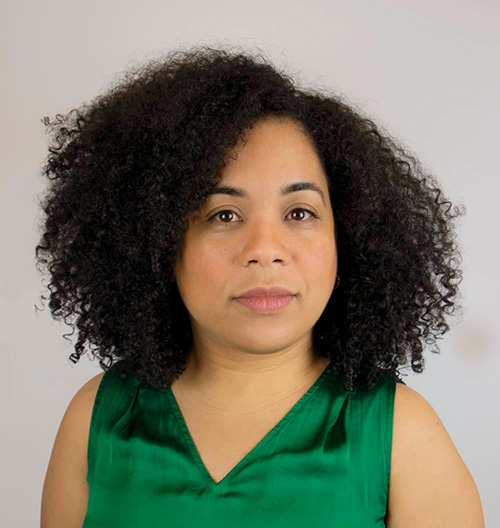
“This is a symptom of a system,” Brenda Medina says.
“It’s the best-selling drug in the world, and they try to price it in secrecy. There is a lack of transparency in research and development, so much information is protected by trade secrets, and this benefits the industry. We hope this leads to reconsideration of how the system works,” she concludes.
Published: June 8, 2026