“Our goal is to build a European framework that matches our scientific excellence with competitive financing capacity”
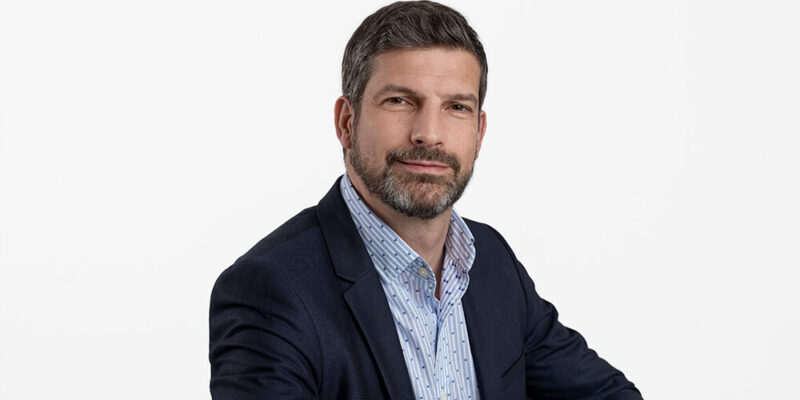
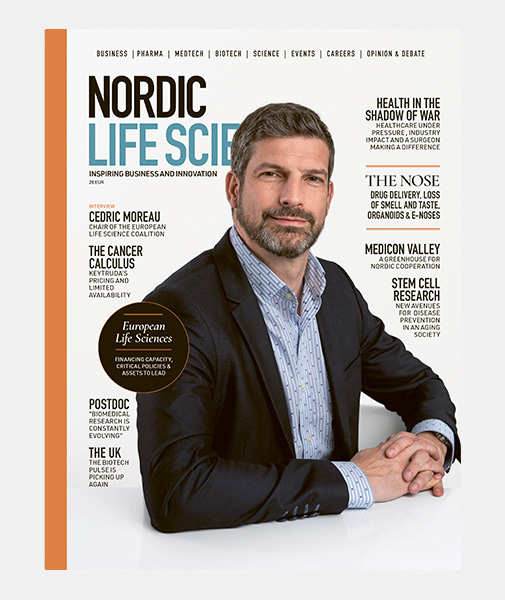
NLS asked Cedric Moreau, Chair of the Oversight Committee of the European Life Sciences Coalition (ELSC) and Partner at VC firm Sofinnova Partners, about the future of life sciences innovation and investment in Europe.
June 29, 2026


What is the core mission of ELSC, and how will it concretely strengthen Europe’s life sciences ecosystem?
“The ELSC’s mission is to mobilize private and public capital into European life sciences and biotech, while removing the structural barriers that hold the ecosystem back. Our members collectively manage over EUR 24 billion in life science assets and have backed more than 1,400 companies. That builds credibility, which is central to what we do.”
“Practically we are creating direct dialogue with institutional investors to make the case for greater allocation to life science Venture Capital (VC). We are also working with EU policymakers to make sure new rules for regulation and investment help innovation instead of slowing it down.”
Europe has a unique opportunity right now, with major initiatives like the Biotech Act, discussions on the Capital Markets Union, and the European Competitiveness Fund happening at the same time.
“Europe has a unique opportunity right now, with major initiatives like the Biotech Act, discussions on the Capital Markets Union, and the European Competitiveness Fund happening at the same time. The ELSC works to ensure that life science venture capital is included in these discussions.”
What are the top two or three practical actions Europe must take right now to stay competitive in biotech and healthcare innovation?
“We have one clear priority: mobilizing more private and public capital into the European VC biotech ecosystem. To get there, Europe needs to move on three fronts: creating the right incentives for institutional investors to increase their allocations to life science VC, introducing regulation that simplifies and speeds up administrative processes so that Europe becomes the best place to build a biotech company, and developing a public market that can genuinely support high-growth companies at scale. Europe has everything it needs to make this happen.”
You bring experience as both an investor and industry leader, how will your background shape the coalition’s priorities and approach?
“Having financed and supported biotech companies across Europe from early-stage venture through to public markets, I have seen first-hand where the funding gaps are and why founders sometimes feel the system works against them. That practical experience shapes how the ELSC operates.”
We are here to bring data and real-world evidence to conversations with institutional investors who may have misconceptions about life science VC.
“We are here to bring data and real-world evidence to conversations with institutional investors who may have misconceptions about life science VC. And with policymakers who are designing frameworks without always understanding the operational reality of building a biotech company in Europe.”
In recent years, almost all European biotech companies that went public chose to list outside Europe, what do you think is not working in Europe’s current system?
“The data is hard to argue against: 66 out of 67 EU biotechnology companies that went public over the last six years listed outside the European Union. That is not a coincidence, it is a clear signal that our capital market infrastructure needs to catch up. The core problem is that European public markets do not offer the liquidity, valuation support, or specialized investors that growing biotech companies need.”
The data is hard to argue against: 66 out of 67 EU biotechnology companies that went public over the last six years listed outside the European Union.
“Europe also doesn’t have one large, highly active stock market that can properly support fast-growing life science companies. Until this changes, US markets will continue to attract many of these companies. Which is why we’re acting now. Importantly, this is not a failure of European science or entrepreneurship. The gap is in the infrastructure that should allow innovative companies to finance, scale up, and stay European.”
What needs to change in Europe’s capital markets and funding landscape to help companies scale up and stay within the region?
“Europe needs to improve several areas at once to help companies scale up in the region: relax rules so pension funds and insurers can invest more in venture capital, strengthen public markets by moving toward a more unified European exchange, and close the late-stage funding gap that often forces companies to rely on US investors. All of this needs to happen together to build a stronger and more independent ecosystem.”
What would success for this coalition look like in, say, five years, what tangible outcomes should we expect?
“Success will be measurable. In five years, I want to point to concrete shifts: more institutional money going into European life science VC, larger European funds operating at scale, and more companies financing their growth and reaching public markets without having to leave Europe to do so.”
In five years, I want to point to concrete shifts: more institutional money going into European life science VC, larger European funds operating at scale, and more companies financing their growth and reaching public markets without having to leave Europe to do so.
“Our goal is to build a European framework that matches our scientific excellence with competitive financing capacity. If more European biotech companies are choosing to scale up and list here because Europe has become the right place to do it, that will be a clear sign the Coalition has moved the needle.”
Updated: July 8, 2026, 10:35 am
Published: June 29, 2026