Help the Technical University of Denmark Shape the Future of Biomanufacturing Training
Biomanufacturing across the Nordic region is expanding rapidly, creating demand not just for new plants and technologies but for skilled people at every level. While much attention has been placed on training scientists and researchers, there is an equally urgent question: how do operators and lab technicians expand their knowledge, strengthen their roles, and gain new career options within this fast-moving industry?
October 16, 2025
For companies, the challenge is clear. A team that understands the full production line, from upstream to downstream to compliance, becomes more flexible, more reliable, and better prepared to meet evolving demands. For employees, it opens up new career paths and opportunities to grow. The missing piece is education designed specifically for this part of the workforce.
Why training needs to evolve
Operators and lab technicians already learn by doing. Their work is inherently hands-on. The question is not whether they practice tasks, but how structured, evidence-based training can turn everyday repetition into deeper understanding and lasting competence.
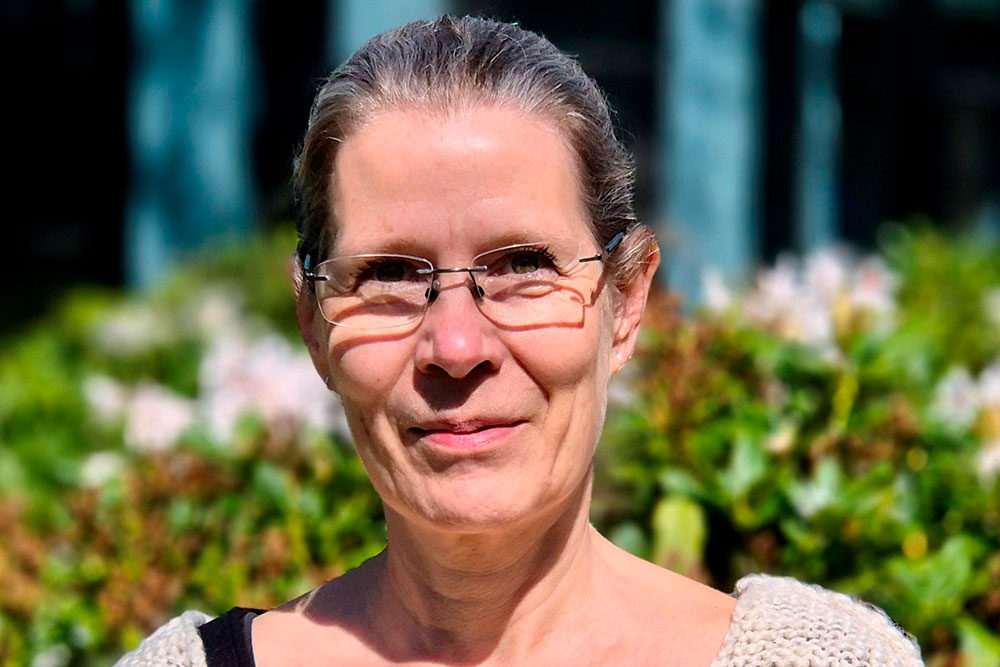
“What we now need to address is the professional development of the people who ensure production runs are safe, efficient, and compliant,” says Malene Bonné Meyer, Head of Teaching and Talent Development at DTU’s Department of Biotechnology and Biomedicine.
“That requires training programs built with pedagogy in mind, so that operators do not just perform tasks but understand how their role fits into the bigger picture of biomanufacturing.”
From skills to industry-recognized training
DTU Biotech Lifelong Learning is now taking this work a step further by developing industry-recognized training programs. These programs are not intended to be generic, one-size-fits-all courses. Instead, they are meant to reflect the real challenges that companies face, whether it is onboarding staff faster, reducing deviations, or increasing adaptability to new technologies.
“We have some initial ideas based on what we hear in the field, such as digital compliance on the lab floor or troubleshooting single-use systems,” Meyer explains. “But the true value will come from industry partnerships. We are inviting companies to sit at the table with us and co-create these formalized training pathways, ensuring that they match real needs and deliver real impact.”
An open invitation to industry
This is not about DTU offering an off-the-shelf product. It is an active call for collaboration. DTU Biotech Lifelong Learning is seeking industry partners who want to shape the next generation of industry-recognized training together. By working side by side with companies, DTU aims to create formalized training pathways that benefit both employees and employers: operators who gain competence and career mobility, and companies that gain stronger, more confident teams.
The skills gap in Nordic biomanufacturing will not be solved by reports or forecasts alone. It will be addressed in training rooms, laboratories, and pilot plants where learning is structured, collaborative, and aligned with the realities of production today.
Join us in shaping this initiative

If your company wants to take part in designing industry-recognized training and formalized training pathways, please reach out. Our Industry Liaison Officer, Jennifer Hemphill, will be traveling across the Nordics in Autumn and Winter 2025 to strengthen collaborations and meet with companies in person. Contact her at jenhem@dtu.dk to arrange a meeting or set up a Zoom call. The door is open, and we are ready to build the future of biomanufacturing training together.
Updated: April 1, 2026, 08:06 am
Published: October 16, 2025