AtrimusRx joins EU RoboPharma project
The company is part of a new EU‑funded consortium developing an AI‑ and robotics‑driven manufacturing platform to secure access to critical medicines during shortages and supply chain disruptions.
May 18, 2026


RoboPharma is a EUR 5.6 million EU‑funded initiative that aims to build a decentralized pharmaceutical manufacturing platform using artificial intelligence and robotic dosing technologies. The project receives EUR 3.36 million from the EU4Health program and has been awarded the STEP (Strategic Technologies for Europe Platform) label, underlining its strategic importance for European health system resilience.
“The availability of critical medicines is absolutely essential to maintain continuity of care,” says Nicky Nadem, CEO of AtrimusRx. “By contributing to the development of the RoboPharma platform, we can help move production closer to the patient. The ambition is to enable local manufacturing directly alongside care when global logistics chains fail. Being selected as a partner in this European collaboration confirms our capabilities and our focus on modern solutions to address drug shortages.”
Led by Finnish CurifyLabs
RoboPharma is led by Finnish healthtech company CurifyLabs and brings together partners from Finland, Sweden, France, Estonia and Germany, including Fysioline, Pharmacie Delpech, Tartu University Hospital, University Medical Center Mainz and Vaasa Hietalahti Pharmacy. The goal is to enable hospitals and community pharmacies to produce essential and personalized medicines locally, particularly when global supply chains falter.
Three core components
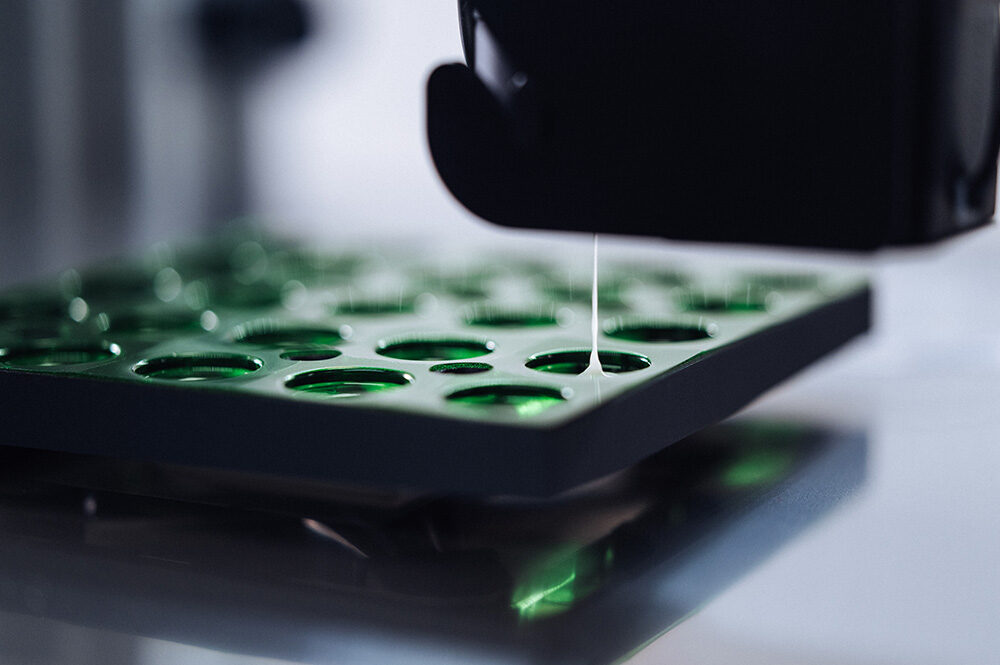
The RoboPharma platform will integrate three core components: high‑precision robotic dosing inspired by 3D printing, AI‑driven analytics and workflow automation for real‑time quality control, and RFID‑based tracking to ensure full traceability throughout the production process. By placing compact manufacturing units in hospital and outpatient pharmacies, the consortium aims to reduce lead times, logistical bottlenecks and drug waste, while ensuring regulatory‑compliant production at the point of care.
Published: May 18, 2026