BioArctic’s Leqembi Pen approved in Japan

BioArctic’s partner Eisai has received Japanese approval for Leqembi Pen, a subcutaneous autoinjector formulation of the Alzheimer’s drug Leqembi (lecanemab), making Japan the third country globally to approve the self-administered formulation.
September 16, 2026


The Leqembi Pen allows patients or care partners to self-administer two injections totaling 500 mg once weekly, each taking approximately 15 seconds, at home – complementing the existing intravenous formulation given every two weeks in a hospital setting. The approval is based on integrated data from the Phase 3 Clarity AD study and subcutaneous administration sub-studies from its long-term extension, which showed exposure comparable to the IV formulation and a broadly similar safety profile, with systemic injection-related reactions observed less frequently.
Leqembi is now approved in 53 countries and remains under regulatory review in six others. Subcutaneous dosing was previously approved in the US, and China approved subcutaneous initiation treatment earlier in September 2026.
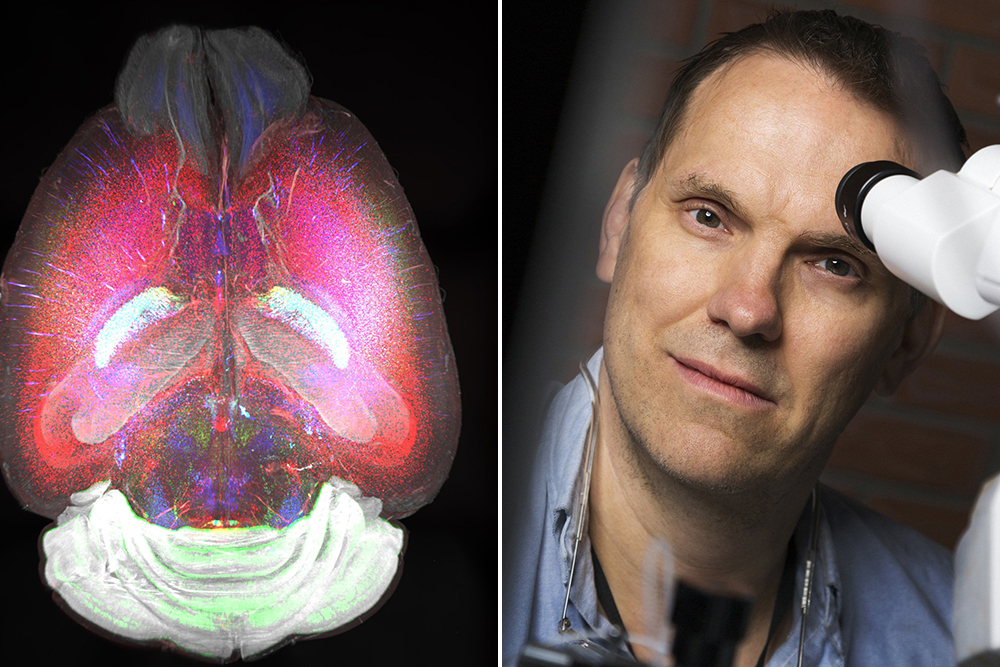
Lecanemab was originally developed by BioArctic, building on Professor Lars Lannfelt’s discovery of the Arctic mutation in Alzheimer’s disease, through a long-standing collaboration with Eisai dating to 2005. Under the partnership, Eisai leads clinical development, regulatory filings and commercialization, while BioArctic retains commercialization rights in the Nordic region and receives milestone payments and royalties on global sales without bearing development costs.
Published: September 16, 2026