Copenhagen unveils masterplan for innovation district
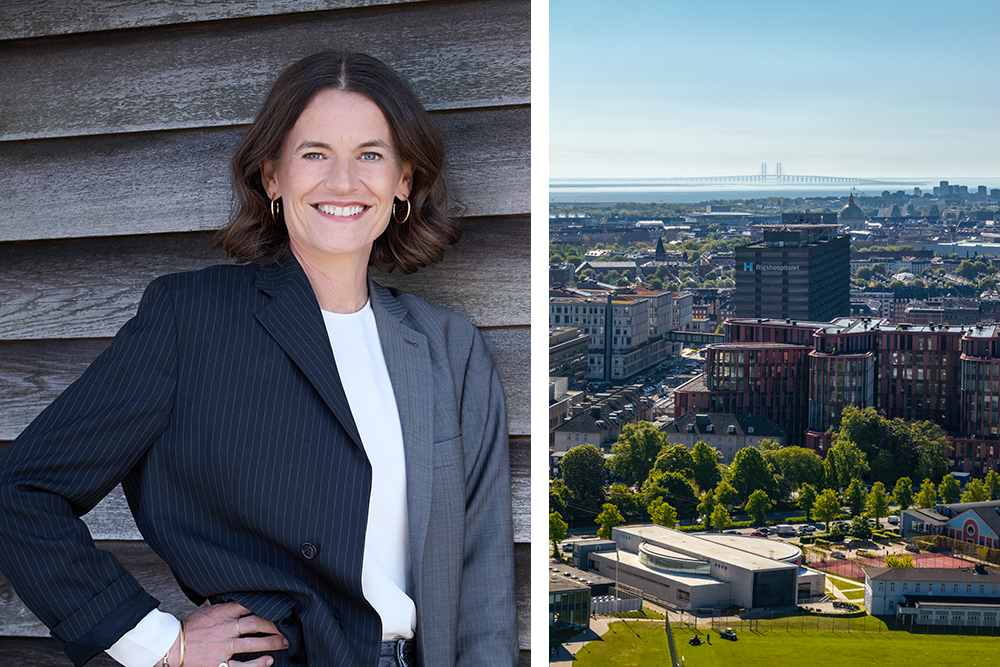
A new masterplan for Innovation District Copenhagen sets out how up to 300,000 square meters of new floor space for laboratories, offices, and other facilities could be built, with the aim of making the area a world-leading hub for life science and quantum technology.
November 17, 2026


The plan was presented by Denmark’s Minister for Business and Competitiveness, the Lord Mayor of Copenhagen, and the Rector of the University of Copenhagen. It builds on a 2025 vision plan from the Danish government, the City of Copenhagen, and the University of Copenhagen, which identified thirteen sites in the district for renovation and construction. The masterplan now proposes how much can be built on each site, how the area should be connected, and the order in which development can take place.
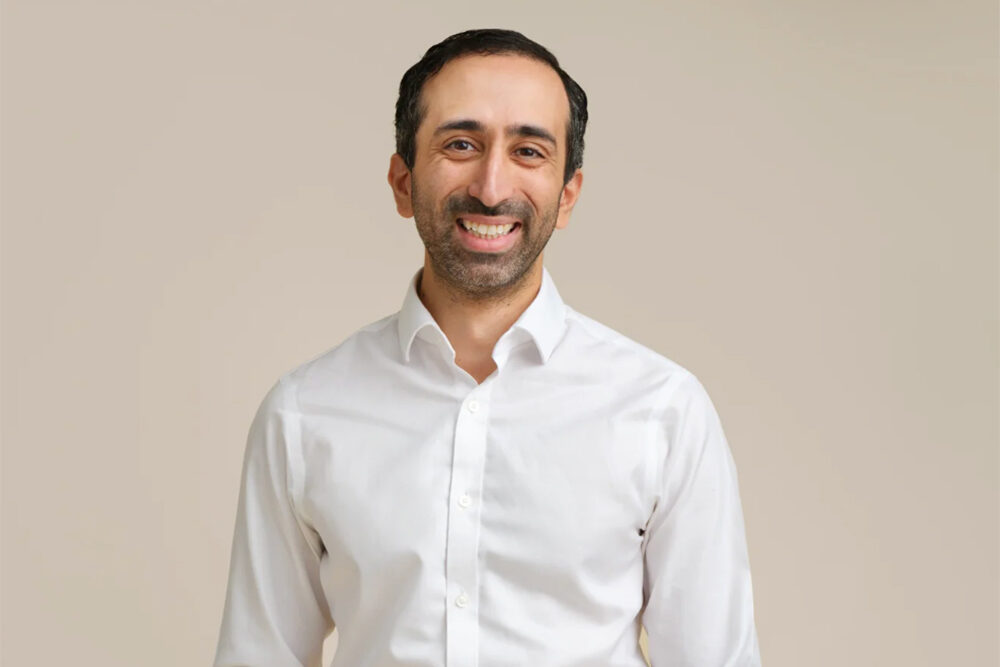
“Denmark is built on good ideas. But if those ideas are also to become new companies, jobs, and solutions, we need to create strong environments where business, research, and innovation meet,” says Martin Lidegaard, Minister for Business and Competitiveness.
The district covers 1.5 square kilometers across Nørrebro and Østerbro. It is home to two hospitals, two universities, a university college, and five entrepreneurial environments. Organizers say quantum research in the area is now mature enough for commercial use, and that placing companies close to the strongest research groups creates a direct path from basic research to solutions.
Alongside floor space, the plan focuses on streets, paths, green urban spaces, and active ground floors, to encourage the chance encounters between researchers and entrepreneurs often called the “bump factor.”
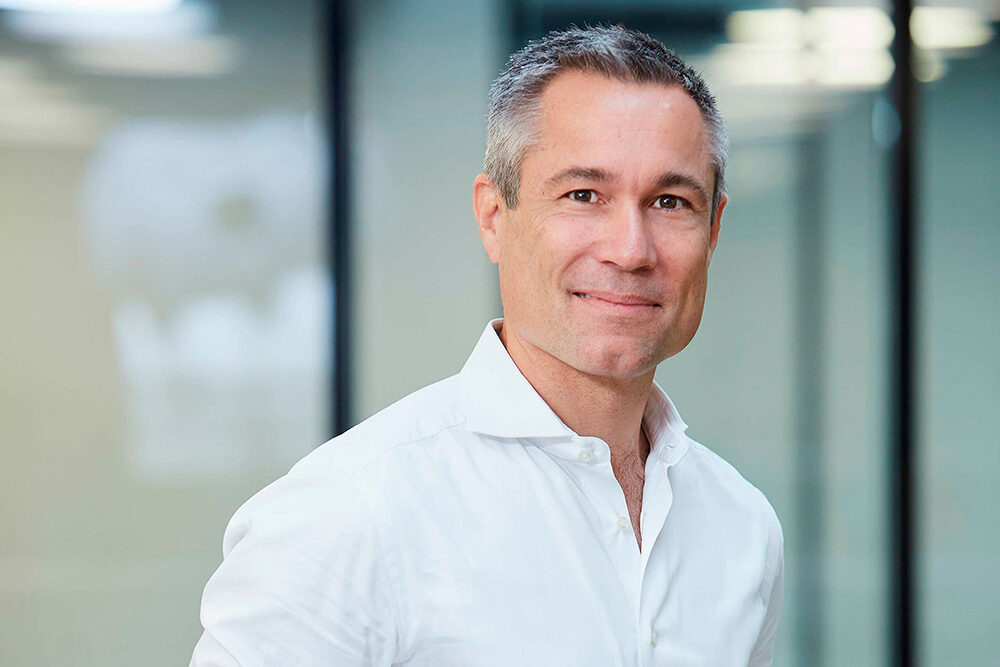
“We must build bridges between science, the market, and society’s needs, and we must develop an innovation district that attracts talent and is internationally attractive,” says David Dreyer Lassen, Rector of the University of Copenhagen and Chair of Innovation District Copenhagen.
Annemarie Munk Riis, CEO of Innovation District Copenhagen, says the area needs shared laboratories, flexible office space, and other support functions to help science-based start-ups attract investors, partners, and talent.
Danish state property company Freja Ejendomme prepared the masterplan, with C.F. Møller Architects, Artelia Group, and Grandville as advisers. The City of Copenhagen’s Technical and Environmental Committee, Finance Committee, and City Council will consider it in November and December 2026, with a view to it forming the basis for future local planning. Many of the sites are state-owned. Some are ready for local planning now, while others will need several more years of preparation.
Published: November 17, 2026