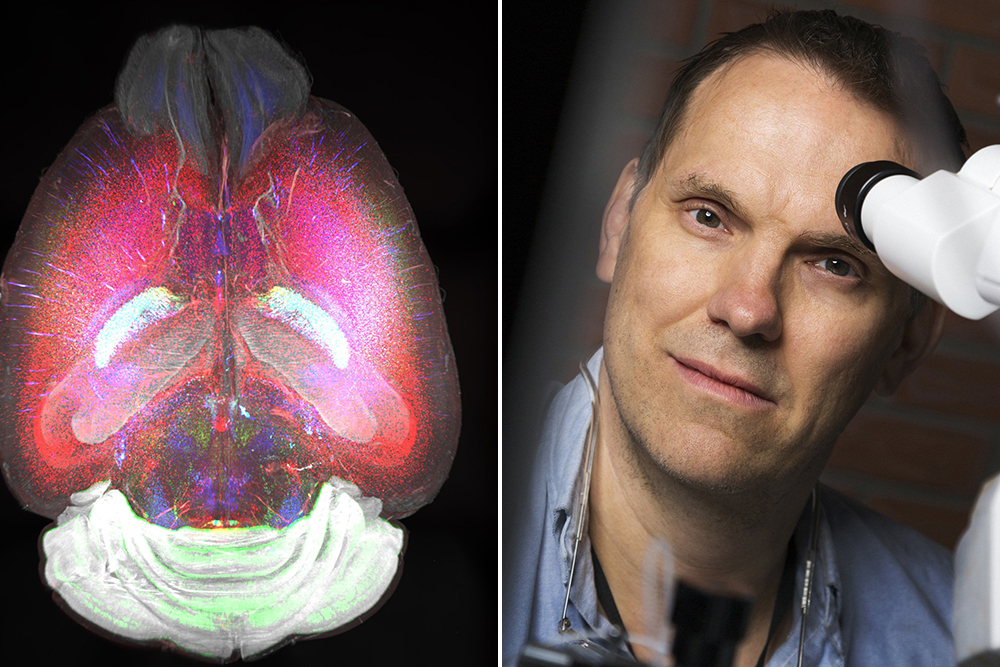
Oncopeptides drug crosses blood-brain barrier in first patients

Oncopeptides’ peptide drug conjugate crossed the blood-brain barrier in the first three patients treated in a glioblastoma study at Oslo University Hospital. Drug concentrations in the tumors matched preclinical models.
October 9, 2026


The Stockholm-based biotech is testing its peptide drug conjugate (PDC) platform in the open-label INSULA study. This window-of-opportunity study enrolls patients with recurrent glioblastoma who are already scheduled for surgery. Patients receive melflufen, the company’s EMA-approved PDC, before their operation, so researchers can measure drug uptake and activity directly in the removed tumor tissue.
Melflufen detected in glioblastoma tumor tissue
Tissue from the first three patients showed a clear and consistent presence of the active compound, which was the study’s primary endpoint. Concentrations inside the tumors were in line with preclinical data. So far the treatment has been well tolerated, with no major drug-related toxicity and no unexpected surgical complications. The first patient has moved into the study’s extension phase and has received five monthly doses to date.
Why the blood-brain barrier matters in brain cancer
The blood-brain barrier is one of the biggest hurdles in neuro-oncology. More than 90% of conventional systemic cancer drugs fail because they cannot reach the brain. According to Oncopeptides, the findings strongly indicate clinical proof-of-concept for the platform’s mechanism in solid brain tumors.
For decades, the blood-brain barrier has locked out effective treatments for glioblastoma patients. Demonstrating meaningful drug penetration in resected brain tumors in patients after a single dose validates the fundamental strength and versatility of our platform.
“Reaching our primary objective to confirm that our PDC technology successfully crosses the human blood-brain barrier is a major breakthrough for Oncopeptides,” says Sofia Heigis, CEO of Oncopeptides. “For decades, the blood-brain barrier has locked out effective treatments for glioblastoma patients. Demonstrating meaningful drug penetration in resected brain tumors in patients after a single dose validates the fundamental strength and versatility of our platform. It transforms our brain cancer program from an ambitious basic scientific premise into a true, clinically justified opportunity.”
“Crossing the blood-brain barrier in patients diagnosed with glioblastoma is an important step for any systemic brain cancer therapy,” says Professor Petter Brandal, MD, PhD, Oslo University Hospital and principal investigator of the study. “These initial tissue findings demonstrate that Oncopeptides’ lipophilic PDC molecules behave in human tumors just as anticipated, delivering significant concentrations in tumor cells where standard treatments historically fall short.”
Next steps for the INSULA glioblastoma study
Recruitment continues toward a target of around ten patients, to further characterize pharmacokinetics and pharmacodynamics. The results will guide the next clinical steps and the development of next-generation PDC assets.
Glioblastoma is the most aggressive and common form of primary brain cancer. Median overall survival is only 12–15 months, and there are virtually no effective treatment options.
Published: October 9, 2026