Science article - April 1, 2026
Diabetes: Restoring glucose regulation through the eye
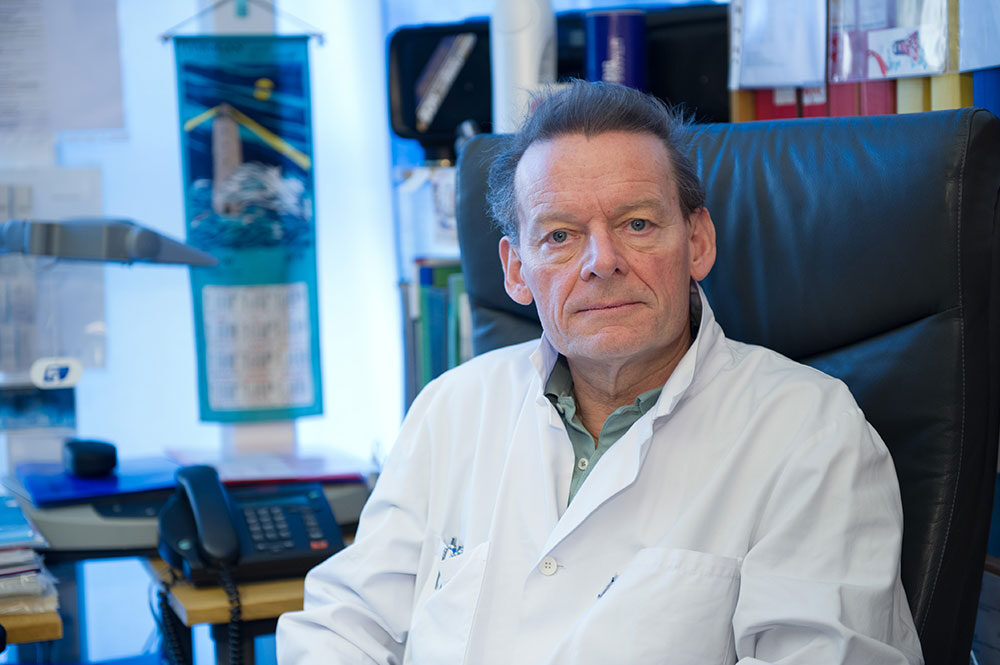
Research is a long-distance race full of challenges, according to Senior Professor Per-Olof Berggren. But if his innovative approach of transplanting insulin-releasing cells into the eye succeeds, he might just reach the finish line when it comes to diabetes treatments.

Science article - January 4, 2026
Effects of climate change on health
The impact of heat due to climate change is becoming increasingly evident even in the Nordic countries. Heat is a significant cause of mortality among vulnerable groups and risks are further amplified by exposure to air pollution. It is thus crucial that cities be adapted to mitigate this phenomenon and adaptations made must benefit everyone, regardless of socioeconomic status.

Nobel Prize 2025 - November 27, 2025
“Discovery can change the world”
Captivated by the beauty of molecules and driven by curiosity and the prospect of making a real impact on society, Omar Yaghi, a chemist and professor at the University of California, Berkeley, has been awarded the Nobel Prize in Chemistry after 35 years of research on the development of metal-organic frameworks.

Global report - October 3, 2025
CaixaResearch Institute – A key player in Barcelona’s life science hub
Investment in science drives societal progress. Barcelona has been doing its part for more than two decades and is now demonstrating its commitment with the construction of the CaixaResearch Institute – a center that aspires to become a benchmark in immunological diseases.

Career choice - May 15, 2025
Head of Marketing and Products
Emma Ryan Lind is the Head of Marketing and Products at Atlas Antibodies. She explains what it means to lead marketing in a biotechnology company and the challenges that come with the job.

Science article - April 25, 2025
World Malaria Day 2025: The ongoing challenge of putting an end to malaria
In 2023, there were an estimated 263 million malaria cases, and 597,000 malaria deaths, making it a prioritized field for many researchers around the world. In Umeå, Sweden, Professor Oliver Billker’s group is focusing on the basic biology of the parasite, with the goal to develop new drugs and vaccines and understand why some mosquito species transmit malaria while others do not.