Sweden’s general election too close to call, final result due this weekend
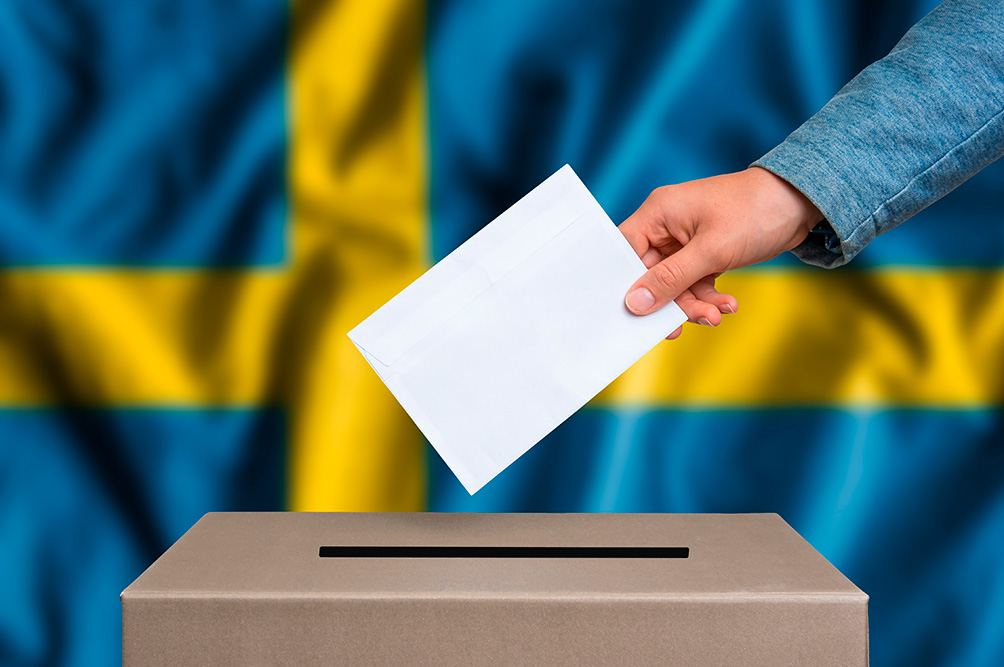
Sweden’s general election on 13 September delivered a razor-thin result, with the Social Democrat-led opposition holding an apparent one-seat edge over PM Ulf Kristersson’s right-wing coalition as counting continues — leaving open the fate of an unusually broad cross-party consensus on pharmaceutical policy reform that emerged during the campaign.
September 14, 2026


With roughly 90 percent of votes counted, Magdalena Andersson’s four-party opposition bloc held a narrow lead over the incumbent Tidö coalition in the 349-seat Riksdag, but neither side has conceded and the Election Authority isn’t expected to certify the final result until the weekend of 19–20 September. Government formation talks will likely follow.
Healthcare access was a defining issue in the campaign. A pre-election survey of over 300 riksdag candidates by Lif, the industry association for research-based pharmaceutical companies, found rare cross-party agreement on increasing public investment, giving the state greater responsibility for equal drug access nationwide, and treating new medicines as an investment rather than a cost. A companion Lif/Novus poll found two-thirds of voters rank healthcare as their top election issue, with a third saying they’d switch parties over it.
Lif CEO Sofia Wallström framed the stakes ahead of the vote: “Voters are clear. They want both secure access to medicines and continued innovation. That combination is what builds a resilient society and a competitive economy.”
Published: September 14, 2026