Beyond manufacturing: Stockholm’s multiomics advantage in cell and gene therapy
Stockholm-Uppsala has built substantial clinical, research, and manufacturing capabilities around advanced therapies. Bringing those strengths closer to the region’s expertise in proteomics, genomics, and other molecular technologies could help answer the next questions in cell and gene therapy: why treatments work, why they fail, and how more patients can benefit.
September 29, 2026


Cell and gene therapies have the unique potential to cure severe diseases. For instance, CAR-T therapies can produce remarkable outcomes in certain patient groups. But not all patients respond, and CAR-T is still largely ineffective in solid tumors.
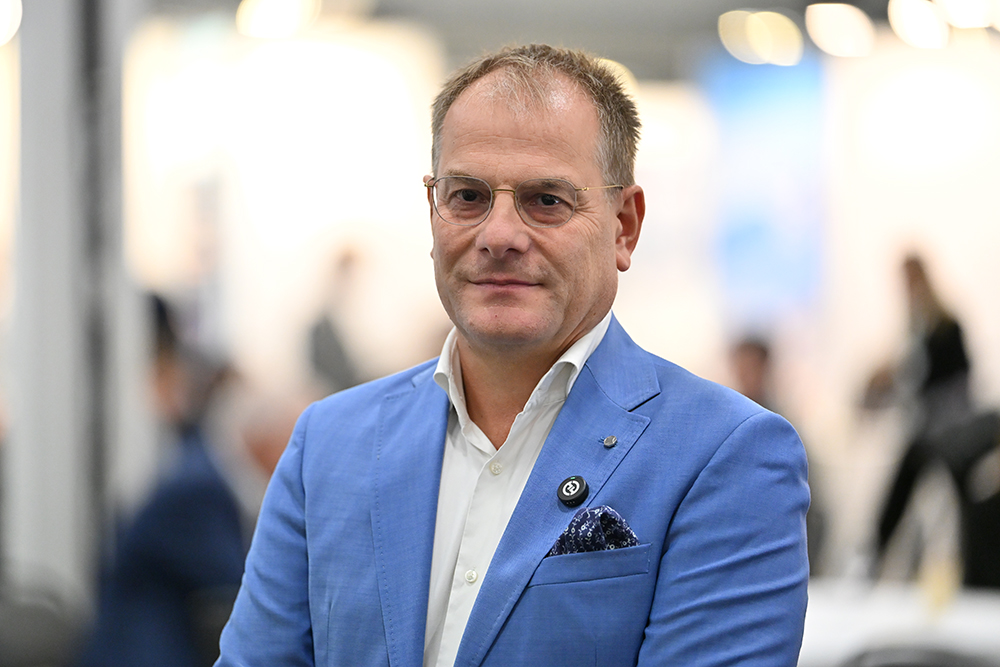
“We need to have a deeper molecular understanding to develop effective CAR-T treatments for more patients,” said Knut Steffensen, director of the Karolinska ATMP Center, when I spoke with him at the NLSDays conference in Stockholm recently.
Multiomics could help provide part of the answer. By looking beyond DNA to RNA, proteins, immune-cell composition, and other molecular layers, researchers may be able to identify biological differences associated with response and non-response. “Is it a biomarker? What is it here that makes the patients not respond versus responding?” Steffensen says.
Such information could ultimately help tailor therapy to each patient’s molecular and cellular profile. These profiles could also help researchers understand why therapies fail and improve the next generation of treatments.
That question points toward an opportunity for Stockholm that extends beyond developing and manufacturing new treatments. The region has considerable strengths in molecular profiling and in understanding patient biology.
A cluster with clinical depth
Advanced therapy medicinal products, or ATMPs, encompass gene therapies, somatic cell therapies, and tissue-engineered medicines. Unlike conventional medicines, they are based on genes, cells, or tissues and can act directly on underlying causes of disease. Their development places unusual demands on the surrounding ecosystem. A discovery may need specialized process development, GMP manufacturing, regulatory expertise, clinical-trial capacity, and long-term patient follow-up before it can become a treatment.
Stockholm-Uppsala already concentrates many of these capabilities. The region is home to five universities with substantial life science activities, as well as university hospitals. Half of Sweden’s life science employees are based there, alongside companies ranging from international pharmaceutical groups to smaller specialist biotechs.
Stockholm’s ATMP position becomes even stronger when we look at the molecular medicine and multiomics expertise around SciLifeLab alongside Karolinska’s research, clinical, and manufacturing capabilities.
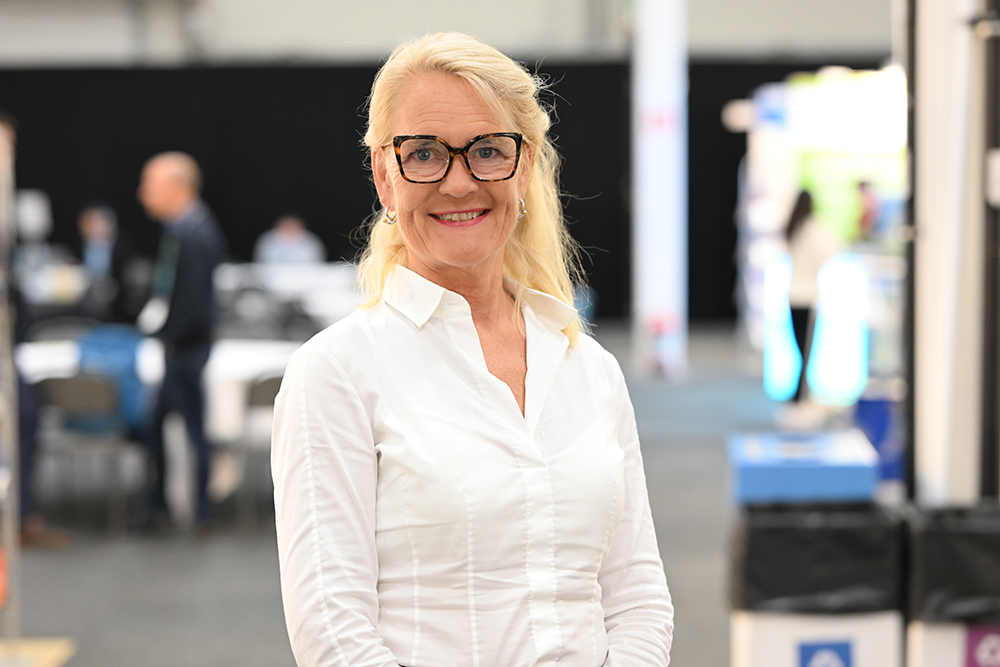
For Ylva Hultman, head of life science at Stockholm Business Region, the significance lies in how these strengths combine into an outstanding ecosystem, rather than in any one institution.
“Stockholm’s ATMP position becomes even stronger when we look at the molecular medicine and multiomics expertise around SciLifeLab alongside Karolinska’s research, clinical, and manufacturing capabilities. The opportunity is not only to develop a therapy, but to understand why it works, how patients differ, and how we can improve it. Connecting those strengths could be a real advantage internationally,” she says.
Decades of cell therapy experience
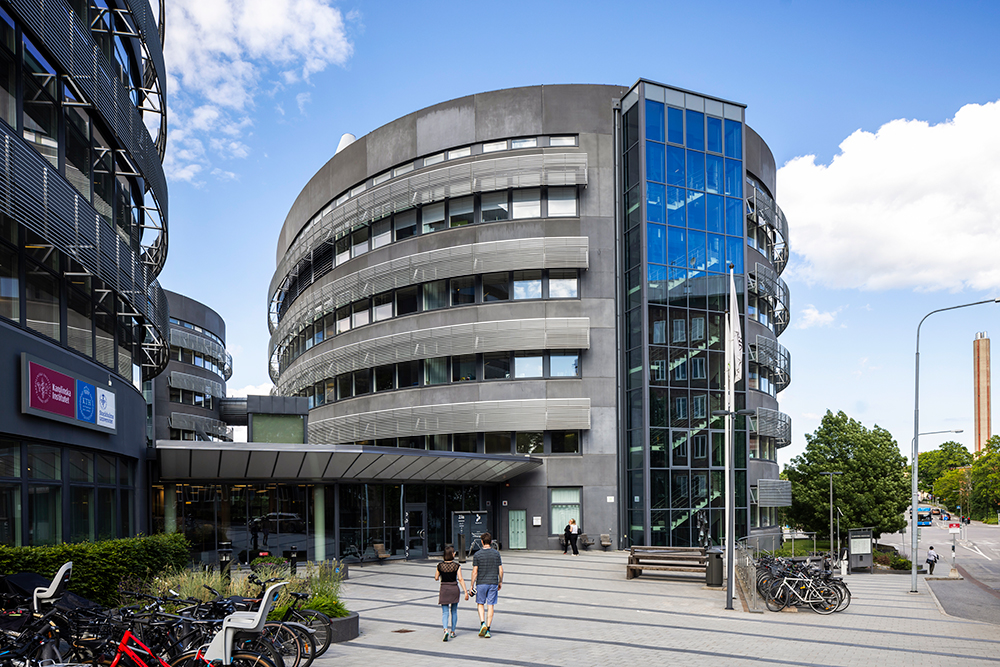
The Karolinska ATMP Center is a joint initiative between Karolinska Institutet and Karolinska University Hospital. It consolidates expertise related to therapies based on cells, genes and tissues, with the intention of accelerating the path from academic discovery to clinical application. Karolinska’s cell therapy infrastructure grew out of work in transplantation and cell therapy, while its GMP facility Vecura, has accumulated decades of experience producing cell and gene therapy products.
Steffensen describes university hospitals as particularly important components of the ATMP ecosystem because they can provide what he calls the “translational bridge”: access to patients, specialist clinicians, clinical studies, manufacturing infrastructure and follow-up.
“We have the translational bridge. That’s really important, connecting the basic research with clinical application and patient care,” he says.
Karolinska and Uppsala also represent substantial clinical activity. Steffensen says a joint mapping conducted roughly a year ago identified 29 ongoing ATMP clinical studies at Karolinska and 14 in Uppsala, spanning different disease areas and stages of development.
Making manufacturing work
The international pipeline is growing rapidly, although the field remains immature. A 2026 technical report on ATMPs from the Royal Swedish Academy of Engineering Sciences (IVA) cites estimates of approximately 3,000 to 4,000 therapy candidates in development globally, depending on terminology and dataset boundaries. Just over 2,000 ATMPs were reported to be in clinical trials in late 2025, while the majority of candidates remained in preclinical or early clinical development.
That pipeline creates a capacity problem. ATMP production can be highly resource-intensive, particularly when therapies depend on specialized cleanrooms, individually handled patient material, and tightly controlled manufacturing processes. Steffensen sees enabling technologies as one way to change that equation. He describes emerging production systems in which several separate projects can be managed in the same clean room suite using secure, closed systems. “Instead of building 50 clean rooms, you can have just a few clean suites and equip the suites with closed manufacturing instrumentation,” he says.
We get early access to technology without carrying the entire equipment cost; the company gets its platform evaluated in a leading academic environment.
The Karolinska ATMP Center is also creating new forms of collaboration between academic researchers and technology companies. Steffensen describes arrangements in which researchers and companies test validate, and develop new, more efficient protocols using state-of-the-art instrumentation – a productive form of co-development between academia and industry.
“We get early access to technology without carrying the entire equipment cost; the company gets its platform evaluated in a leading academic environment. It’s a win-win situation,” Steffensen says.
The same philosophy extends to pharmaceutical companies. He sees great synergistic potential when academic groups and industry R&D teams identify areas where their scientific interests overlap. “This is co-development where new discoveries can reach the patient faster.”
Measuring more than the mutation
More efficient manufacturing addresses only one part of the ATMP challenge. Another is understanding what happens inside the patient. Genomics is already deeply embedded in gene therapy and precision medicine, but Steffensen believes it will increasingly need to be complemented by other molecular measurements.
When I asked him about proteomics, transcriptomics and other omics technologies, his answer was immediate. “Absolutely. It’s super important. I mean, that is the key of precision medicine,” he says.
For gene therapies, a genetic mutation may identify what needs to be corrected. But after treatment, other questions emerge. “Have we repaired the gene? Is there unwanted and non-specific genetic integration? What are the splice variants? What is the protein expression around this?”
“All of these things,” he says, make omics “absolutely key to development of ATMP as well.”
The implications may be particularly important for improving therapies such as CAR-T. Some patients respond extremely well; others do not. If researchers could identify a molecular signature associated with non-response before treatment, it could potentially improve patient selection. At the same time, molecular profiling after treatment could help explain why failure occurred and inform the design of better therapies.
“You should not give a patient that has a proven negative biomarker profile a CAR-T treatment. That is not cost-efficient,” Steffensen says.
But patient selection is only part of the value. Understanding what the immune cell profile of a non-responder looks like, for example, could reveal how the therapy itself needs to change. “That is key to developing better cell and gene therapies. Not necessarily new ones, but understanding how they should be used in a cost-efficient manner as well.”
Another layer
SciLifeLab is Sweden’s national infrastructure for molecular biosciences and brings together capabilities across genomics, proteomics, spatial biology, data science, and other advanced analytical technologies.
Researchers associated with the ATMP environment already use SciLifeLab infrastructure, says Steffensen, but the more systematic question of where multiomics fits in future therapy development is still evolving. “We have the precision medicine. We’re adding the therapy, and then we need to find the omics. Where does omics fit in all of this?”
“SciLifeLab has so much expertise and is a super infrastructure,” he says. “Of course we need to harvest the strength of each other.”
The next step is to turn proximity into joint projects with clear clinical goals.
For Hultman, this scientific proximity could become an increasingly important part of Stockholm’s proposition to international companies and research partners.
“In Hagastaden, clinical researchers, molecular scientists, and technology developers are close and motivated enough to work together on very concrete problems. The next step is to turn proximity into joint projects with clear clinical goals,” she says.
A global multiomics experiment
An international example of what deep molecular profiling can reveal came this May in Cell. Michael Snyder of Stanford University and an international team reported comprehensive multiomics profiling of 322 generally healthy participants from different geographic and ancestry groups. The researchers combined genomics, transcriptomics, proteomics, metabolomics, lipidomics, glycomics, microbiomics, and additional molecular measurements. Samples were collected at Human Proteome Organization congresses across several continents, creating a dataset in which genetic ancestry, geographic residence, diet and molecular biology could be examined together.
While this was not an ATMP study, it illustrates why increasingly deep molecular characterization could matter for precision medicine: individuals who appear similar at the level of a diagnosis can differ substantially across biological systems.
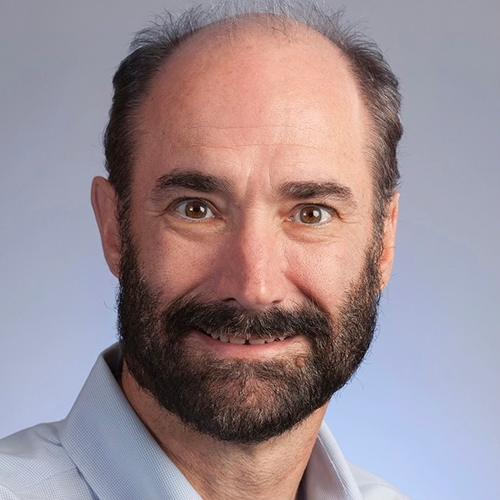
Snyder summarized the premise when I spoke with him in Palo Alto this summer. “What’s nature versus nurture?” he asked, describing the project’s attempt to disentangle genetic background from the effects of geography and environment.
The study found associations between both ancestry and geography and molecular networks involving metabolism, immune biology, the microbiome, and biological aging. The authors emphasize that the findings concern molecular features associated with genetic ancestry rather than ethnic identity or culture. Participants contributed blood, urine, and stool, and laboratories around the world applied different specialized technologies to the same broader research effort.
“Everybody signed up for their favorite assay, and they ran it,” Snyder told me. “And so it became a community project in collecting data.”
Stockholm played a substantive role. Jochen Schwenk, Fredrik Edfors, and colleagues at KTH and SciLifeLab contributed to the study, including proteomics analyses. “They were fantastic,” Snyder says, noting that samples were sent to the Swedish group and that the team contributed Olink expertise and additional assays.
If deep profiling can reveal substantial molecular variation among healthy individuals, what could similar approaches reveal when applied longitudinally to patients before and after cell or gene therapy?
The work should not be interpreted as showing that multiomics can already predict ATMP outcomes. “I think there’s much more basic science right now,” he says. Larger cohorts and data involving medications and clinical outcomes will be needed before these approaches can answer drug-response questions.
But that limitation also defines the next research challenge. If deep profiling can reveal substantial molecular variation among healthy individuals, what could similar approaches reveal when applied longitudinally to patients before and after cell or gene therapy?
From molecular profiles to clinical evidence
Jochen Schwenk is a professor of translational proteomics at KTH and a platform director in proteomics at SciLifeLab. His work sits at the interface between large-scale molecular measurement and clinically useful information.
Schwenk believes proteomics and multiomics can make useful contributions to ATMP development. He explains that “using advanced technologies allows us to follow changes almost in real time. As the building blocks of life and targets of most drugs, proteins also serve as meaningful measures to understand novel types of treatment. But a treatment is only worth prescribing if its benefits outweigh its side effects.”
What’s missing is dense longitudinal data linked to outcomes across multiple studies.
He told me that “we could aim at building a multi-molecular picture of both effects together. What we saw in our paper was that multiomics features can change, for example when we travel to another continent, so we need to monitor our molecules to manage their balance throughout treatment. Through standardization and aligned treatment designs, we can then learn from collective evidence across different studies.”
What would it take in practice? I asked him. Schwenk argues that “what’s missing is dense longitudinal data linked to outcomes across multiple studies, not just single-compound observations.
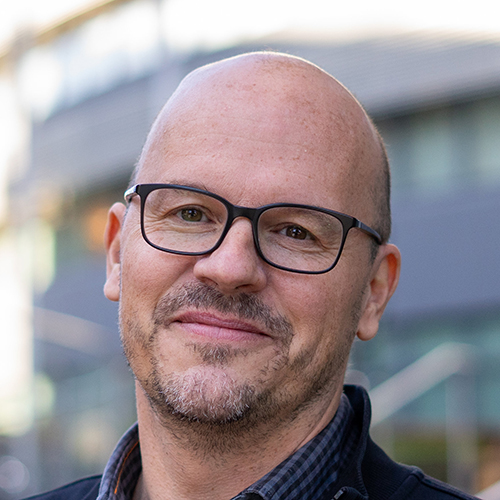
But even with leading technologies and data infrastructures that continue to advance, there will be missing links, and without filling these, we won’t be able to tell if a signal is truly predictive. We also need harmonized, affordable, and simplified multi-molecular assays that give comparable and transferable results. Right now, most advanced systems are tested in research settings, requiring delicate workflows and creating a disconnect that often won’t scale to routine testing or clinical care.”
Precision medicine must also become accessible
There is another dimension to the discussion: access. Advanced profiling infrastructure will be expensive, at least initially. Steffensen does not envision every hospital owning the complete technological arsenal needed for deep multiomics.
“You need to have a few treatment centers,” he says. “Every hospital cannot have all of this because it’s expensive equipment. You need to have specially trained personnel.”
His proposed model is closer to shared national capacity. He points to genome-based precision medicine in pediatric cancer as an example of specialized infrastructure being made accessible to patients regardless of where they live. “That’s the beginning,” he says. “It’s not a technical issue that will be an obstacle. It is how much money we are interested in putting into these types of screenings.”
Shared infrastructure and better molecular evidence could help us use advanced therapies more effectively. But we also need clinical validation, sustainable financing and a commitment to equitable access.
Making precision medicine more democratic, however, requires more than open datasets. It means ensuring that advanced diagnostics and therapies do not remain available only to patients treated at the wealthiest institutions.
“Our ambition should be for precision medicine to reach more patients, not only those who happen to live near a leading research centre. Shared infrastructure and better molecular evidence could help us use advanced therapies more effectively. But we also need clinical validation, sustainable financing and a commitment to equitable access. Scientific leadership only matters if it translates into patient benefit,” says Steffensen. That is especially important for ATMPs, where treatment costs can be high and manufacturing capacity constrained.
The other valley of death
Science and infrastructure alone are not sufficient. Steffensen repeatedly returns to financing as one of Sweden’s central weaknesses. Academic researchers commonly work within two- or three-year grant cycles. Their incentives favor publication and another research grant, while translating a therapy toward clinical development can require protecting intellectual property, developing manufacturing processes, and building a clinical protocol.
The result is a familiar gap between promising academic data and development.
The result is a familiar gap between promising academic data and development. Sweden has strong research, clinical expertise, advanced healthcare, and a data-driven innovation environment, but lacks sufficient coordination and investment to secure leadership across the full value chain.
IVA calls for multidisciplinary “super-ecosystems” in which academia, healthcare, and industry can develop, test, and implement ATMPs using shared technology platforms. Stockholm-Uppsala is one of the environments identified as a foundation on which such an ecosystem could be built.
The next chapter of Stockholm’s ATMP story may be about moving from being a place that can develop and manufacture advanced therapies to one that can also understand them at unprecedented molecular depth. That combination could help make the next generation of cell and gene therapies more precise, more effective, and ultimately accessible to more patients.
Published: September 29, 2026