Cancer Crosslinks at 18: Mapping and mastering complexity in modern oncology

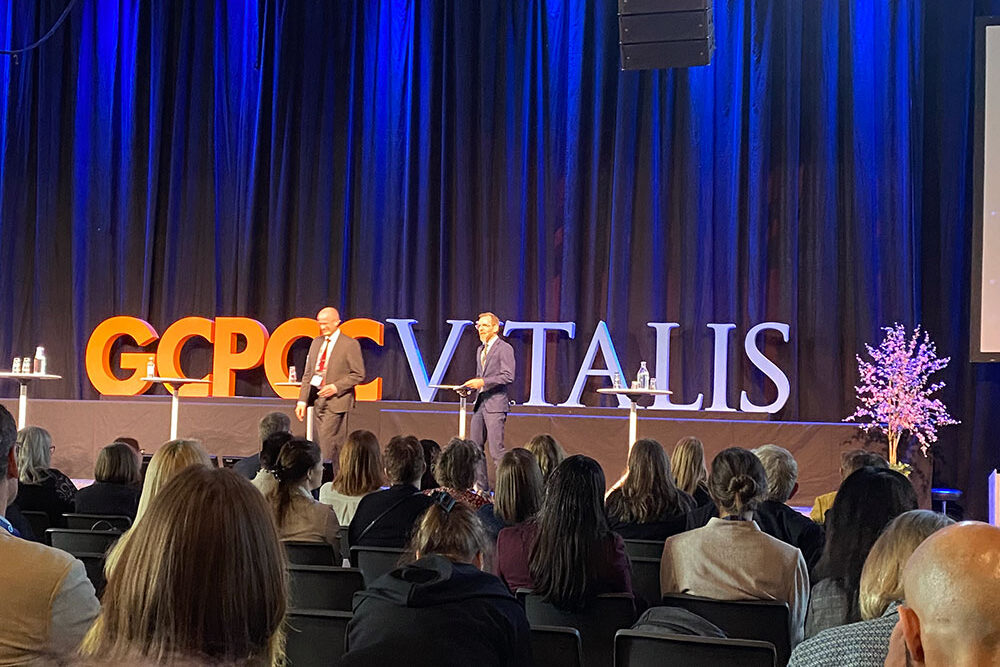
When Cancer Crosslinks took place in Oslo on January 22, it marked the meeting’s 18th anniversary. It’s “really coming of age,” jokes Jutta Heix, the Head of International Affairs at Oslo Cancer Cluster, which organizes the meeting.
February 4, 2026


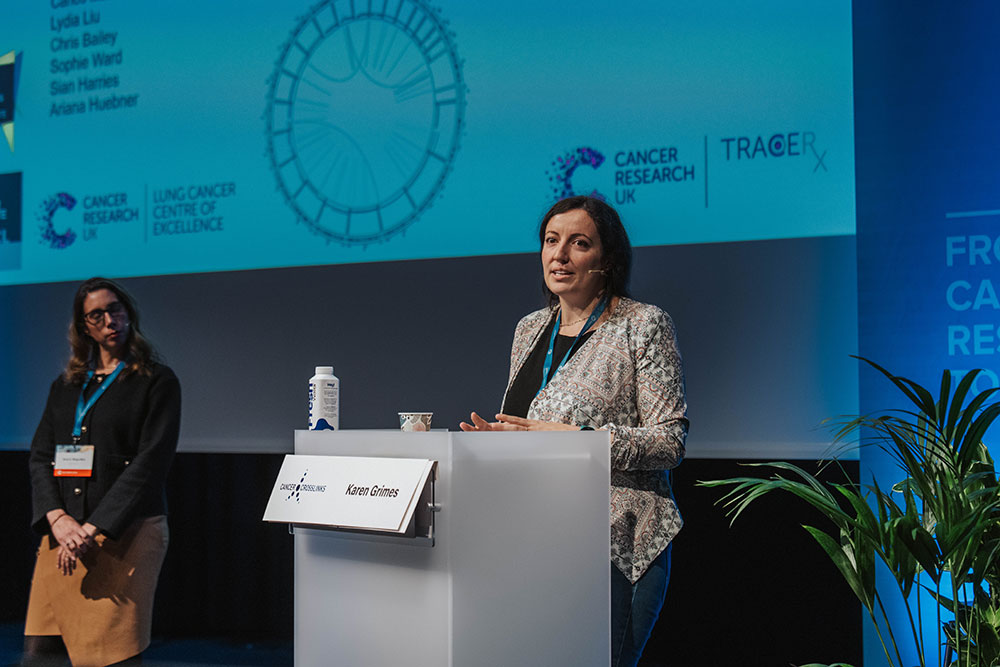
Cancer Crosslinks is an annual educational meeting that gathers oncologists, hematologists, translational researchers, healthcare providers, regulators, and industry representatives. Its mission is to promote researcher–clinician interactions and support advances in translational and clinical research within cancer treatment. This year’s meeting was sponsored by AstraZeneca and Bristol Myers Squibb.
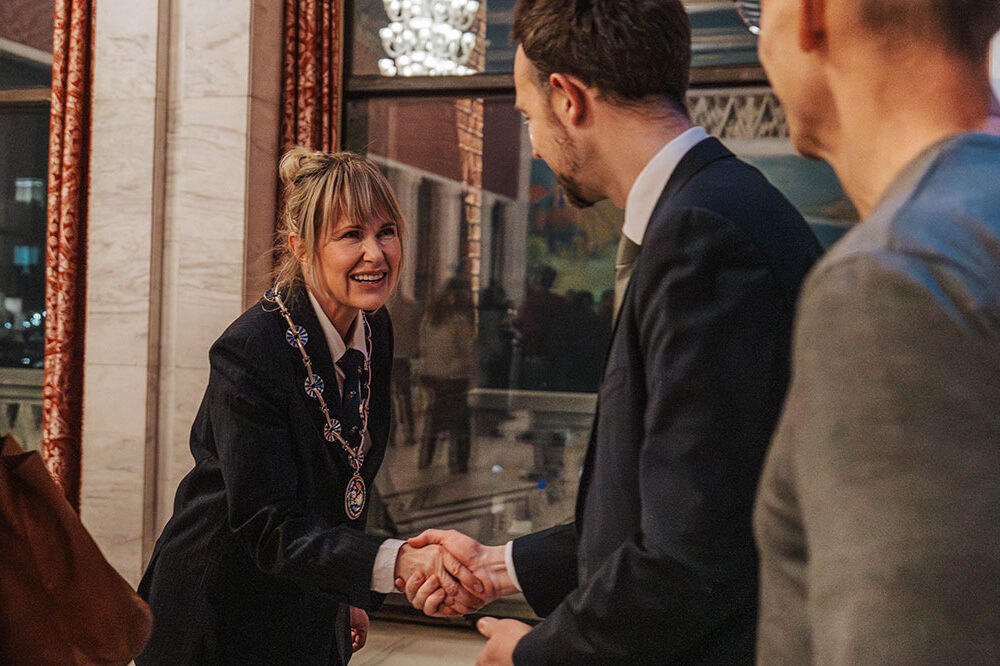
The program has evolved alongside rapid developments in oncology, says Jutta Heix:
“This whole meeting has grown alongside the field with all the tremendous progress we’ve seen in translational cancer research, but also in clinical implementation of novel concepts.”
Complexity in oncology
What hasn’t changed over the years is the core concept of cross‑linking – connecting clinicians, translational researchers, and industry, and both Norwegian and international experts.
This year’s edition centered on complexity in oncology, with sessions on mapping complexity by enabling precision cancer medicine through systems biology; turning complexity into predictions by integrating computational approaches in cancer care; and finally targeting complexity by translating insights into therapeutic strategies.
There is not just breast cancer, there is not just lung cancer, but you have so many molecular subtypes and sometimes also highly individualized tumor entities.
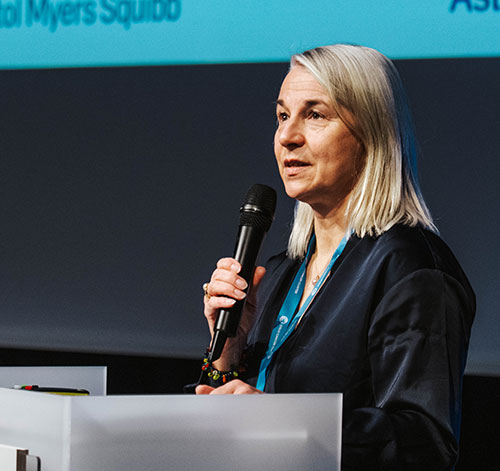
Speaking of this multi-layered complexity, Heix notes that: “We have gained a much deeper understanding of the heterogeneity of cancer. There is not just breast cancer, there is not just lung cancer, but you have so many molecular subtypes and sometimes also highly individualized tumor entities.”
This deepened understanding makes precision medicine even more relevant in the context of oncology, alongside a swathe of treatment options and possible combination therapies.
She points to the rapid expansion of therapeutic modalities, from ADCs and radiopharmaceuticals to immunotherapies and cell- and gene- therapies. This breadth increases the complexity of clinical decision‑making.
“There are so many more insights and treatment opportunities to consider for every single patient. What are the decision-making structures in hospitals – this is where molecular tumor boards come into play, as well as new tools, including AI tools,” she says.
Cross-disciplinary learning and inspiration
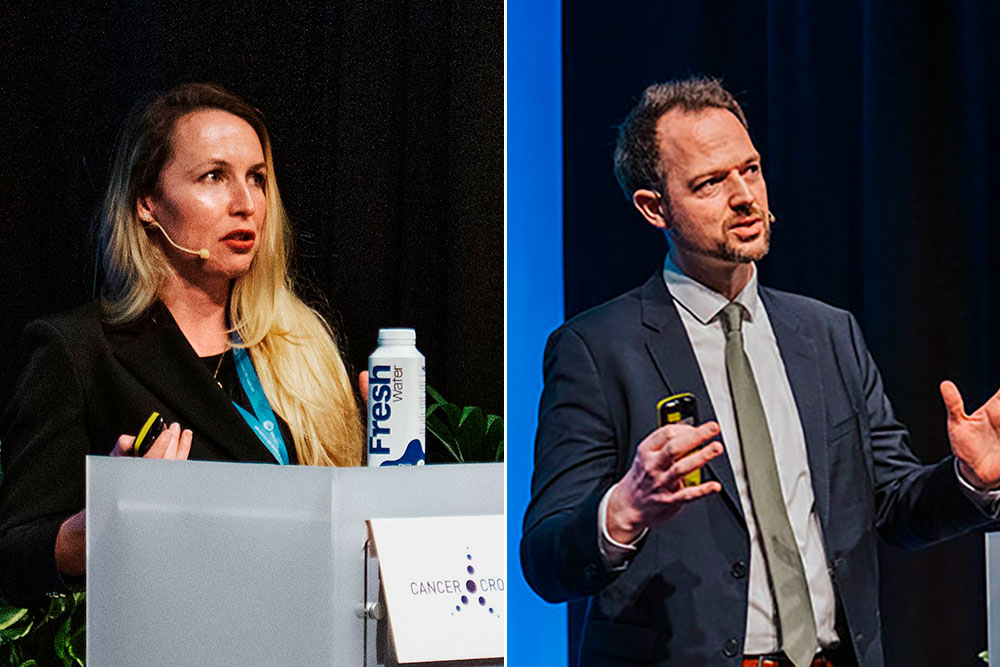
Speakers and attendees at Cancer Crosslinks often highlight the value of the event’s interdisciplinary format and its ability to expose participants to areas outside their immediate expertise, according to Heix.
We carefully pick the international speakers that come to Oslo and always build a very nice storyline.
“ We carefully pick the international speakers that come to Oslo and always build a very nice storyline. This is something that people really benefit from, because they are also learning about areas they are not experts in, but that can be meaningful for their research or their patient group. I think we stimulate a lot of this cross-disciplinary learning and inspiration,” she says.
Published: February 4, 2026