Francesco Muntoni receives the 2026 Novo Nordisk Prize
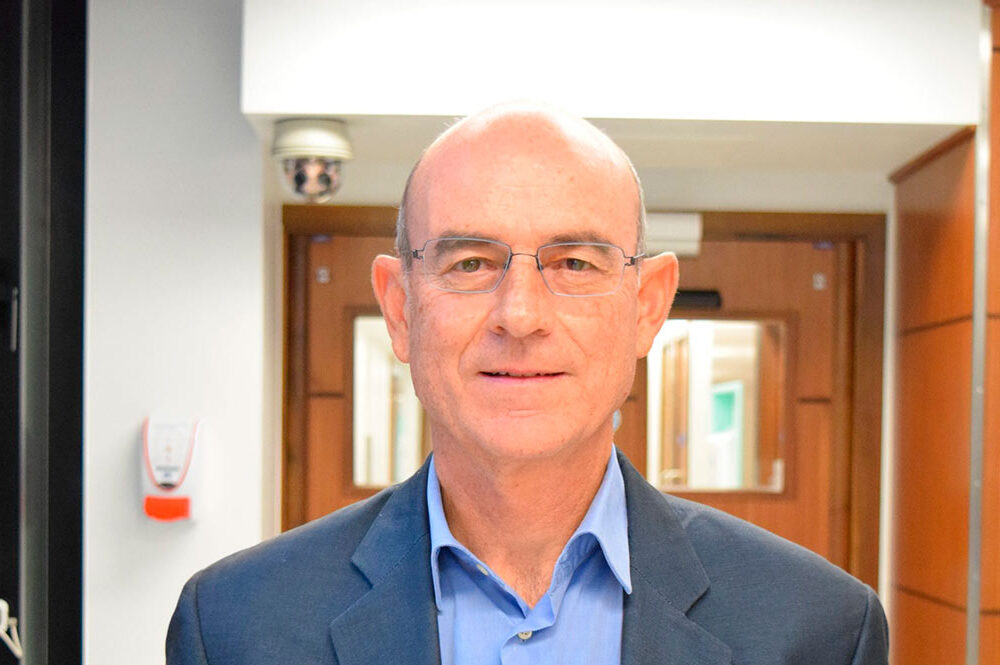
For decades, Duchenne muscular dystrophy was a diagnosis without effective treatment. Through pioneering work on RNA-based therapies that allow cells to bypass faulty genes, Muntoni helped demonstrate that even severe inherited diseases can be modified at their molecular source — a shift that reshaped genetic medicine.
March 11, 2026


“Francesco Muntoni has played a pivotal role in transforming paediatric neuromuscular medicine from descriptive genetics to therapeutic intervention. By linking molecular insight with rigorously designed clinical trials, he helped establish the first generation of RNA therapies for Duchenne muscular dystrophy. Importantly, this demonstrated that RNA-based correction of genetic defects could move from laboratory theory to approved treatment — influencing genetic medicine far beyond neuromuscular disorders,” says Professor Jørgen Frøkiær, Chair of the Committee for the Novo Nordisk Prize.
Intervene at its source
Muntoni became one of the pioneers of antisense oligonucleotide (ASO) therapies — short, designed strands of genetic material that help cells bypass faulty gene sections. In early clinical trials, he and his collaborators showed in patients that this approach — known as exon-skipping — could restore some dystrophin protein, the missing component in DMD. Those studies helped pave the way for the first approved RNA-based medicines for DMD in 2016 and 2019 — milestones that showed a fatal genetic disease could be treated by targeting the faulty gene itself.
Muntoni’s research clarified how different mutations shape the clinical course, including rare variants that predominantly affect the heart and specific changes linked to cognitive involvement. At the same time, he led the translational efforts that brought exon-skipping therapies from laboratory concept to clinical reality. His work showed that targeted RNA therapy could partially restore dystrophin production — marking a direct molecular intervention in the disease.
Although current treatments do not cure Duchenne muscular dystrophy, they represent a decisive shift: instead of merely documenting the progression of a genetic disease, clinicians can now intervene at its source.
The success of exon-skipping therapies did more than improve care for people with Duchenne muscular dystrophy. With the first regulatory approvals in 2016 and 2019, RNA-based medicines moved from theory to clinical reality in a severe inherited neuromuscular disorder.
In doing so, they established RNA correction as a viable therapeutic strategy — not only in neuromuscular disorders, but across rare genetic medicine more broadly.
From breakthrough to biological realism
RNA therapy marked a breakthrough, but it also revealed how difficult it is to translate genetic insight into durable clinical benefit. Gene therapy has generated enormous expectations, sometimes framed as a one-time cure. But experience has shown that lasting progress depends less on dramatic claims and more on deep biological understanding. Muntoni has consistently advocated a biology-driven and ethically grounded approach. Rather than overselling early results, Muntoni has focused on understanding why therapies that appear effective in animal models behave differently in patients — and how age, disease stage and tissue biology shape outcomes.
The move from proof-of-concept to biological refinement has defined the field’s second phase, and his work now focuses on next-generation RNA chemistries and the neurological aspects of Duchenne muscular dystrophy, as improved standards of care allow many patients to live into adulthood.
Turning discovery into treatment
Since moving to the United Kingdom in 1993, Muntoni has built one of Europe’s largest paediatric neuromuscular units at University College London and Great Ormond Street Hospital. The Dubowitz Neuromuscular Centre now assesses more than 1,600 children annually and serves as the UK’s national reference centre for congenital neuromuscular disorders.
He has supervised more than 150 clinical fellows, PhD students and visiting researchers, many of whom now lead programmes in neuromuscular medicine worldwide. Extending this translational focus, he helped establish the Genetic Therapy Accelerator Centre at UCL in 2022 to strengthen gene therapy research in neurological disorders.
Through international collaborations, he has helped build a system in which genetic discovery, clinical testing and regulatory approval reinforce one another — ensuring progress beyond any single therapy.
“A tribute to the patients and families who were willing to participate in clinical research when outcomes were uncertain”
“This prize is really a tribute to the patients and families who were willing to participate in clinical research when outcomes were uncertain,” he says to Novo Nordisk Foundation “Everything we have achieved has depended on their courage — and on the commitment of multidisciplinary teams working across borders.”
He adds that the award also reflects how far the field has come. “When I started, treating a genetic disease at its cause felt almost unrealistic. Today, it is part of clinical reality. That progress belongs to an entire community.”
About the Novo Nordisk Prize
The Novo Nordisk Prize recognises active scientists who have provided outstanding international contributions to advance medical science to benefit people’s lives. The prize is awarded annually by the Novo Nordisk Foundation and is intended to further support biomedical research in Europe.
The prize is accompanied by DKK 5 million (€670,000) and comprises a DKK 4.5 million research grant and a personal award of DKK 0.5 million. The Foundation will award an additional DKK 0.5 million for hosting an international symposium within the recipient’s field(s) of research.
Source: Novo Nordisk Foundation
Published: March 11, 2026