Immune cells in the nose slow influenza virus
A new study from the University of Gothenburg may help guide the development of better influenza vaccines.
April 9, 2026


The researchers identified a group of memory cells, known as CD4 memory T cells, that remain in nasal tissue after an influenza infection. When the body encounters the virus again, these cells can rapidly reactivate and help other parts of the immune system fight the infection. The study (published in the Journal of Experimental Medicine) shows that these cells can reduce viral replication in the nose and thereby contribute to better protection against illness.
This means the immune system can respond directly at the site where the virus first enters the body.
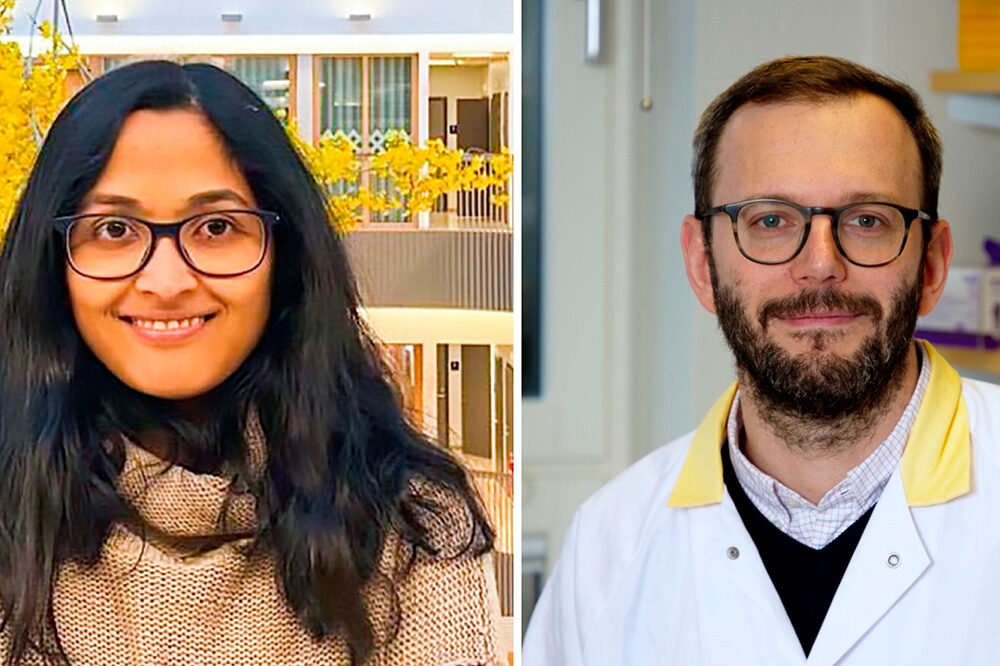
“We show that CD4 memory T cells can remain in nasal tissue after an influenza infection and rapidly reactivate when the virus returns. This means the immune system can respond directly at the site where the virus first enters the body,” says Nimitha R. Mathew, a researcher at the Sahlgrenska Academy, University of Gothenburg, and one of the study’s lead authors.
Similar cells found in humans
In studies in mice, the researchers showed that these immune cells help limit viral levels and reduce tissue damage in the nose during a subsequent infection.
The researchers also analyzed cells from the nasal mucosa of healthy adults. There, they found the same type of influenza-specific memory cells, suggesting that a similar local immune defense may also exist in humans.
The important thing about our findings is that we now know which immune cells can limit the virus where infection begins. That knowledge can be used when developing future nasal vaccines.
“Many people likely already have these kinds of memory cells in their noses after previous infections, but they are not always enough to stop the virus completely. The important thing about our findings is that we now know which immune cells can limit the virus where infection begins. That knowledge can be used when developing future nasal vaccines,” says Davide Angeletti, professor at the Sahlgrenska Academy, University of Gothenburg, and also one of the study’s lead authors.
Published: April 9, 2026