At the forefront of stem cell research
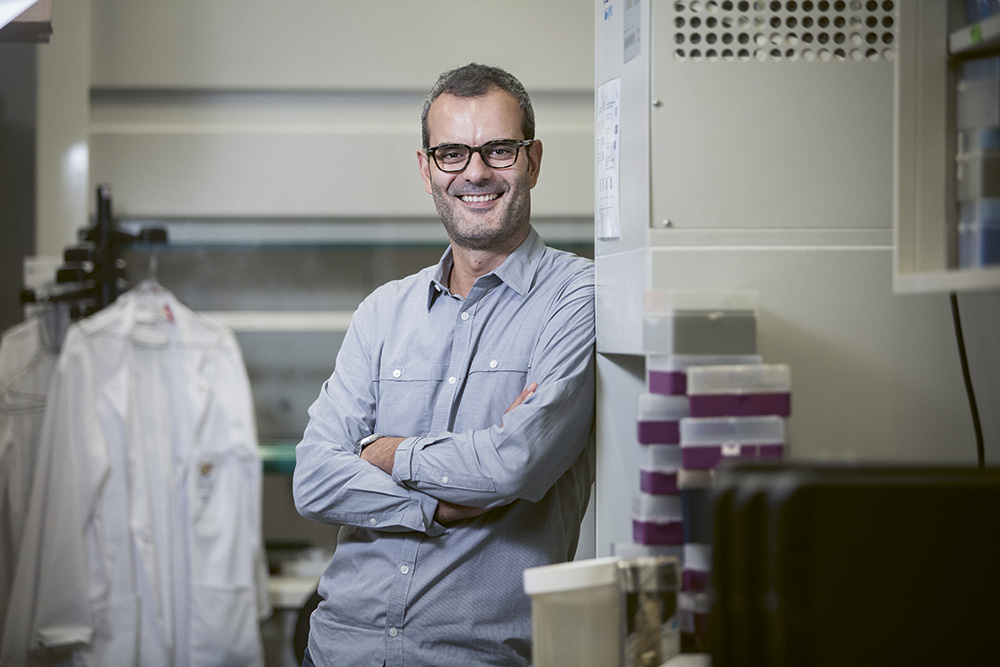
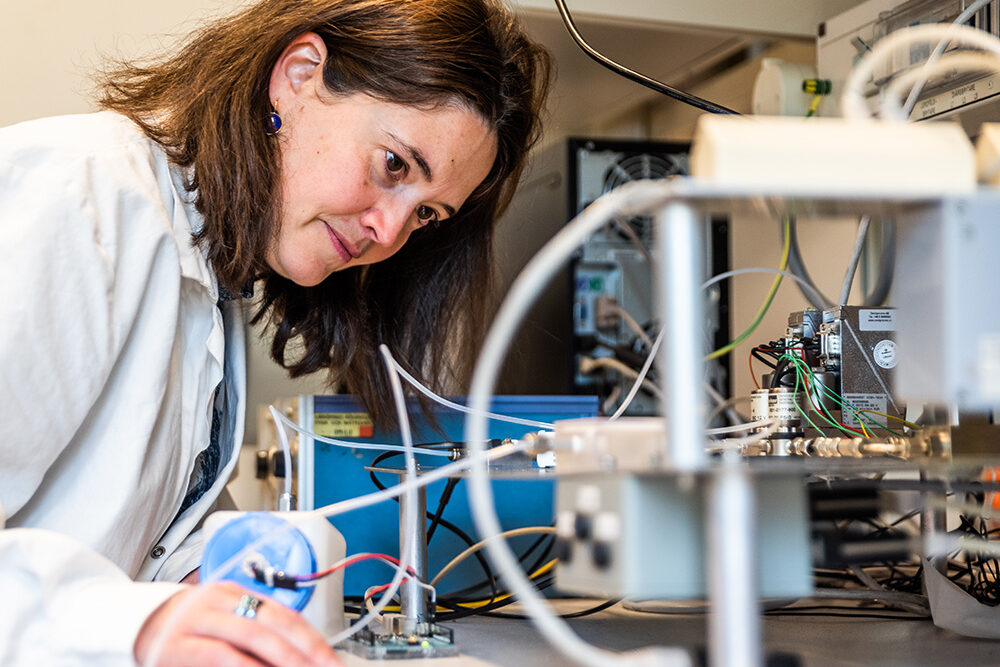
Spanish biochemist and molecular biologist Salvador Aznar Benitah’s research focuses on how adult stem cells function in normal conditions, aging, and cancer, with particular interest in epigenetics, circadian rhythms, and the mechanisms that allow certain cancer cells to initiate metastasis.
July 13, 2026


Dr Aznar Benitah, Group Leader at the Institute for Biomedical Research in Barcelona, Spain (IRB Barcelona), emphasizes the importance of studying stem cells to understand how healthy tissues are maintained, why they deteriorate with age, and how serious diseases such as tumors appear. Stem cells are responsible for constantly replacing the hundreds of millions of cells we lose every day, and for repairing and maintaining healthy tissues, he says.
“Some tissues renew themselves very quickly. Skin does so approximately every 14 days, and the intestine or colon in several weeks. The cells that make up these tissues have a short lifespan and eventually disappear. In contrast, stem cells remain in the body throughout life. Therefore, they have more time to accumulate genetic mutations and epigenetic changes, factors that can alter tissue function and lead to aging or the development of cancer,” he explains.
Stem cells remain in the body throughout life. Therefore, they have more time to accumulate genetic mutations and epigenetic changes, factors that can alter tissue function and lead to aging or the development of cancer.
When cells age
Aging is a progressive decline in cellular function. On the one hand, some cellular organelles, such as mitochondria, accumulate damage within cells due to wear and tear and oxidation. On the other hand, each time DNA replicates, since it is not a perfect mechanism, it makes errors that accumulate over the years as mutations, affecting cellular function. The autophagy mechanism (when the cell eliminates damaged components within itself) also loses efficiency and leads to an accumulation of damaged components. Another factor that is altered with aging is the circadian rhythm, the biological clock that coordinates when to rest, eat, repair tissues, or be active. When this clock malfunctions, wear and tear increases and more errors occur.
“Today we are exposed to what is called ‘social jet lag’; the blue light from mobile phones, tablets, and screens is precisely the wavelength that the brain interprets as sunlight. So, when it’s 10 p.m. and the body should be preparing for sleep, the screen is sending it the signal that it’s still daytime. This disrupts the internal clock and, if maintained over time, can lead to metabolic disorders, poorer sleep, inflammation, and faster cellular aging,” says Aznar Benitah.
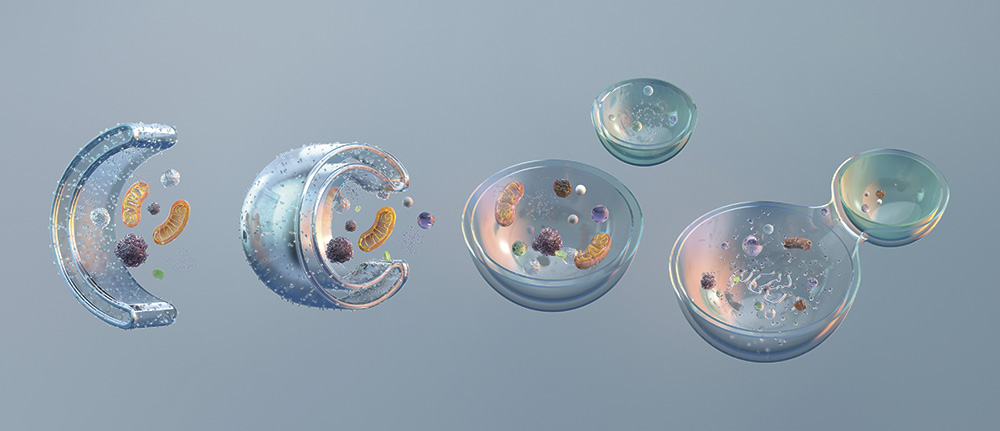
“There comes a point when a cell can stop functioning properly or enter a state of senescence. It is still alive, but it no longer performs its function well. It is an aged cell, present, but increasingly less useful to the organism,” he adds.
When mutations affect key genes, such as those that regulate damage detection or the elimination of defective cells, it promotes the development of tumors. One example is the p53 gene, known as the “guardian of the genome”. When it functions correctly, it detects cell damage and can halt cell division or induce cell death. But if this system fails or mutates, damaged cells can continue to survive and proliferate. In addition to this, cell function is affected by other external mutagenic factors such as alcohol, tobacco, pollution, or chronic inflammatory processes that can be influenced by diet (for example, an excess of saturated fats) and by stress.
The importance of epigenetics
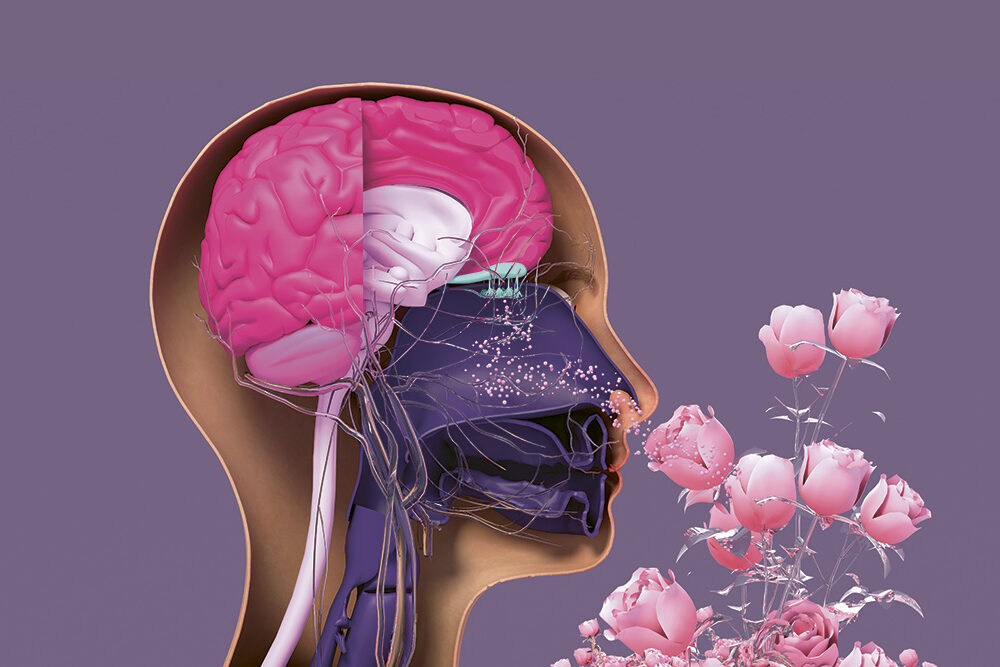
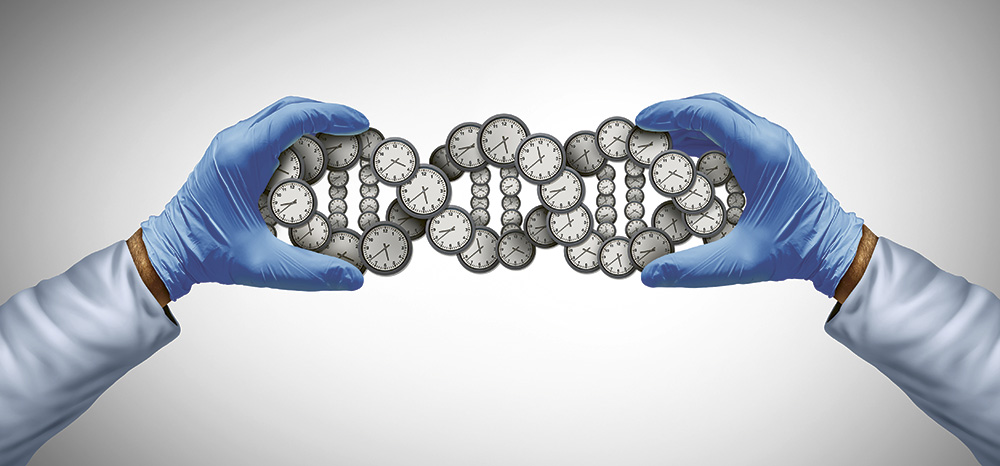
DNA is enormous, almost two meters long if stretched out, and is tightly packed within a cell. This packaging is carried out by histones, proteins whose configuration determines which genes are more or less active. This organization is dynamic and greatly influenced by the environment: diet, exercise, stress, or infections. The body “records” these experiences as a kind of biological memory. Epigeneticsdoesn’t change the DNA sequence, but the way it is organized and expressed.
“One interesting example is the research showing how the diet and health status of parents before pregnancycaninfluence their children. This isn’t direct genetics, but rather epigenetic effects. And it has been observed, for example, in the descendants of people who lived through famines or situations of extreme stress, such as World War II, where there is a greater predisposition to metabolic diseases,” Aznar Benitah says, and adds: “Today we are seeing something else worrying: an increase in diseases like fatty liver in adolescents, which used to be common at much older ages. This is not only explained by current diets or sedentary lifestyles, but also by inherited epigenetic factors. Epigenetics doesn’t act alone: it can predispose someone, but lifestyle remains key. Two siblings may share this predisposition, but if one exercises and has healthy habits and the other doesn’t, the outcome can be very different.”
Metastasis and therapeutic strategies
Aznar Benitah and his team identified a key aspect within the primary tumor in cancers such as breast, colon, or skin cancer: not all cells are the same. Only a small subgroup of them is responsible for initiating metastasis.
Once these metastatic cells were identified, we were able to compare them with non-metastatic cells and we saw something surprising: these cells have a very high dependence on lipids, especially saturated fats, as an energy source.
Metastasis is not a random process. It involves certain cells leaving the original tumor, traveling through the body, and colonizing other organs. It is an extremely complex process, almost as if a cell were able to “migrate” and establish a new tumor in another location.
“Once these metastatic cells were identified, we were able to compare them with non-metastatic cells and we saw something surprising: these cells have a very high dependence on lipids, especially saturated fats, as an energy source,” he says, and explains this further. “The process of metastasis can be understood with an analogy: it’s as if you and I decided to run to New York, about 7,000 km, and upon arriving, without being exhausted, were able to build a completely new city. That, in essence, is what a metastatic cell does. And to achieve this, it needs an enormous amount of energy. You wouldn’t take vegetables for a trip like that, but rather very energy-rich foods, especially fats and proteins. Fat, in fact, is the most efficient energy source.”
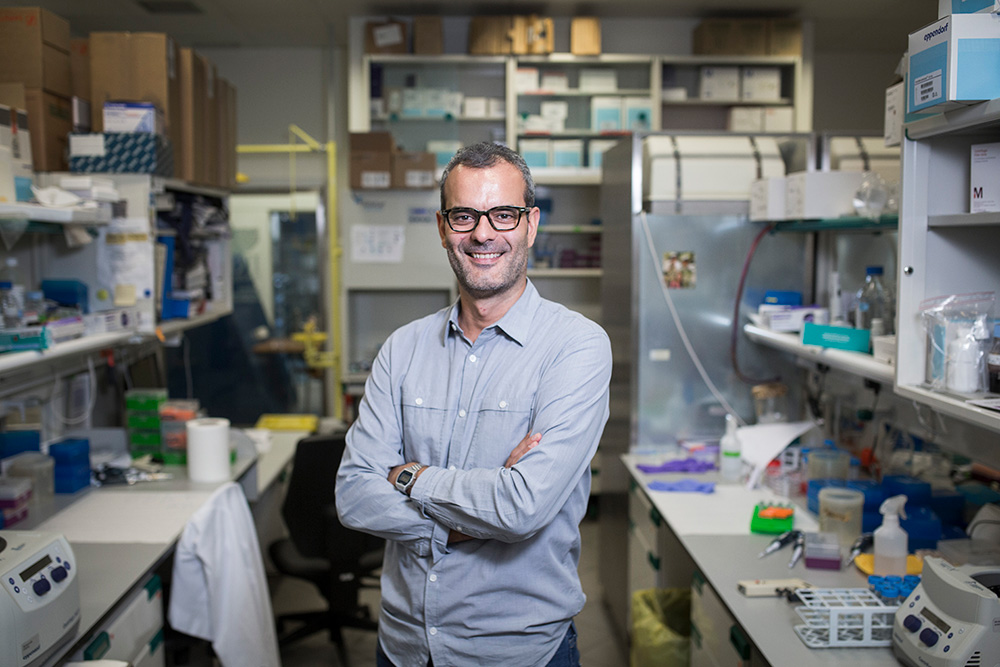
Aznar Benitah and his team are investigating how to block these cells’ access to fat, thereby reducing their ability to colonize other tissues. Looking to the future, he is now focusing part of his research on understanding how organs and tissues coordinate systemically to maintain proper bodily physiology. His goal is to decipher how they communicate with each other, how they respond collectively to damage, and why this coordination is lost during aging and in diseases such as cancer.
His discoveries on metastasis led to the co-founding of ONA Therapeutics in 2019, a company focused on developing treatments against metastatic cells. Recognized with numerous international scientific awards, his work continues to open new avenues for preventing disease and designing more effective therapies.
stem cells in europe
The European stem cell market is growing rapidly, with a projected value exceeding USD 9 billion by 2030, driven by a surge in regenerative medicine research and an aging population. Source: Grand View Horizon, Eurostat
Published: July 13, 2026