Screening by smelling
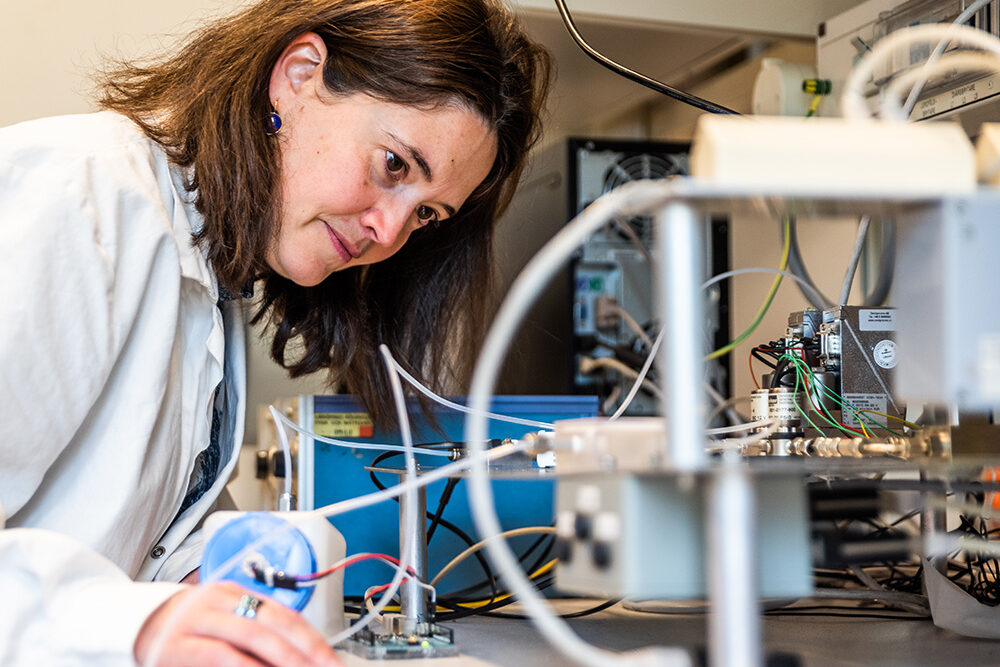
Electronic noses open up possibilities for developing non-invasive approaches for early disease detection.
July 8, 2026


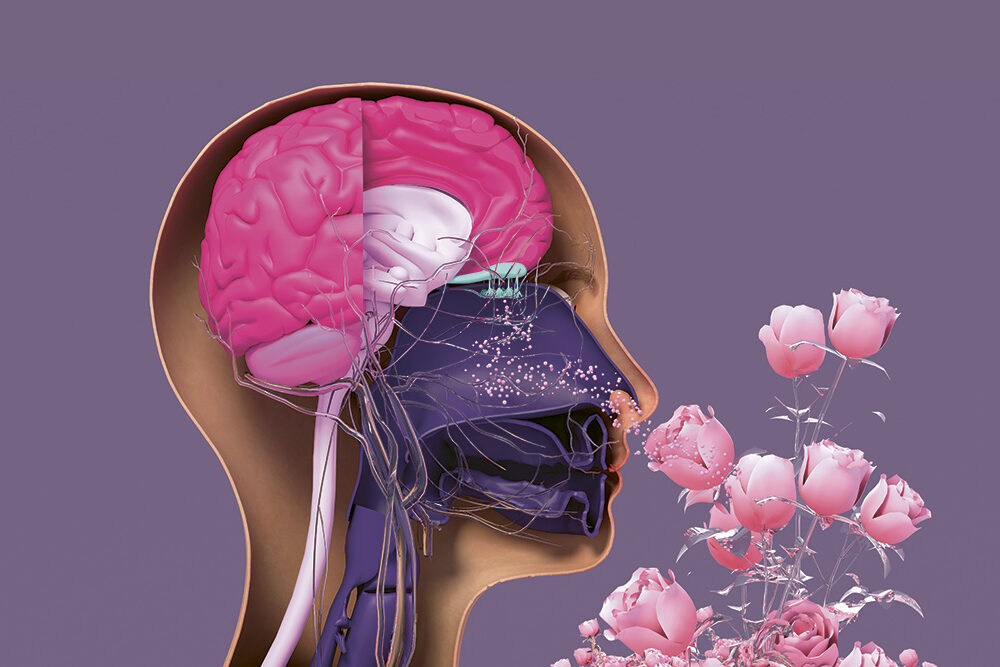
Electronic noses, or e-noses, have actually been around for more than 50 years, but they have taken a great developmental leap in recent years thanks to artificial intelligence (AI) and machine learning technologies.
The term “electronic nose” was inspired by the mammalian nose because the technology aims to mimic certain aspects of the human – or in some cases even canine – sense of smell, however, it does not physically resemble a nose, says Associate Professor Donatella Puglisi, who works with e-noses at the University of Linköping.
Electronic noses have taken a great developmental leap in recent years thanks to artificial intelligence and machine learning technologies.
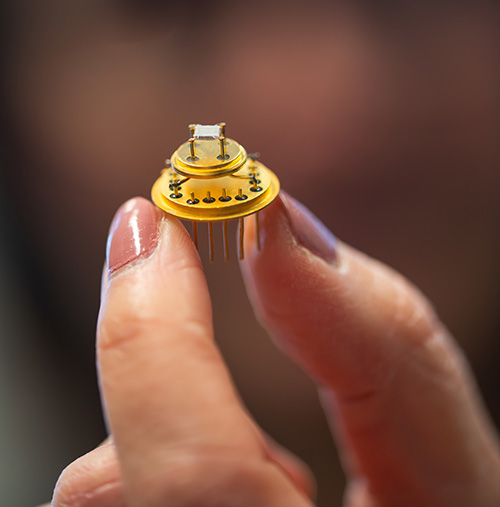
“The instrument typically consists of an array of gas sensors, i.e., multiple sensing devices that respond to volatile compounds in the air and generate electrical signals. These sensors function somewhat like artificial olfactory receptors. By analyzing the patterns produced by the sensors with advanced algorithms and machine learning models, we can identify hidden information associated with specific odors or biological conditions,” explains Donatella Puglisi.
“Different electronic noses can vary in size and design depending on their application, but they are generally compact laboratory instruments rather than wearable devices,” she adds.
A biomarker-agnostic approach
At Puglisi’s research group at the department of physics, chemistry and biology at Linköping University, she and her colleagues have contributed to the development of an e-nose consisting of 32 sensors that can react to volatile substances emitted from the examined blood plasma sample. Cancer cells can release volatile organic compounds (VOCs), which are small molecules that may reflect changes in cellular metabolism.
It is fascinating that our body may produce detectable chemical changes even before clear symptoms appear. This opens exciting possibilities for developing new, non-invasive approaches for early disease detection.
“Our research suggests that ovarian cancer cells produce patterns of volatile compounds that differ from those of other cell types. It is fascinating that our body may produce detectable chemical changes even before clear symptoms appear. This opens exciting possibilities for developing new, non-invasive approaches for early disease detection,” says Puglisi.
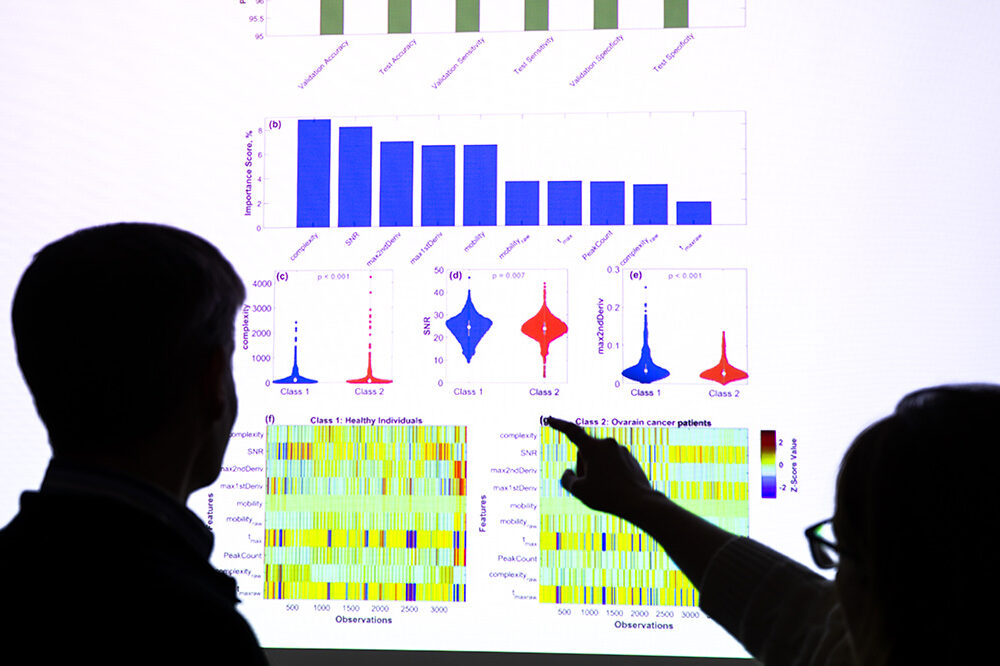
At the moment, however, they cannot identify which specific compounds – or combinations of compounds – are uniquely responsible for distinguishing ovarian cancer from other cancers. “What we have demonstrated is that electronic noses, combined with machine learning methods (first trained on known samples from a biobank), can detect reproducible signal patterns that allow different classes of samples to be distinguished with a high level of accuracy under experimental conditions,” says Puglisi.
“We describe this as a “biomarker-agnostic” approach because, rather than relying on a single known biomarker, the system analyzes the overall chemical fingerprint produced by the sample.”
The challenge of early detection
At present, most electronic nose systems for diagnostic and life science applications are still at the research or prototype stage.
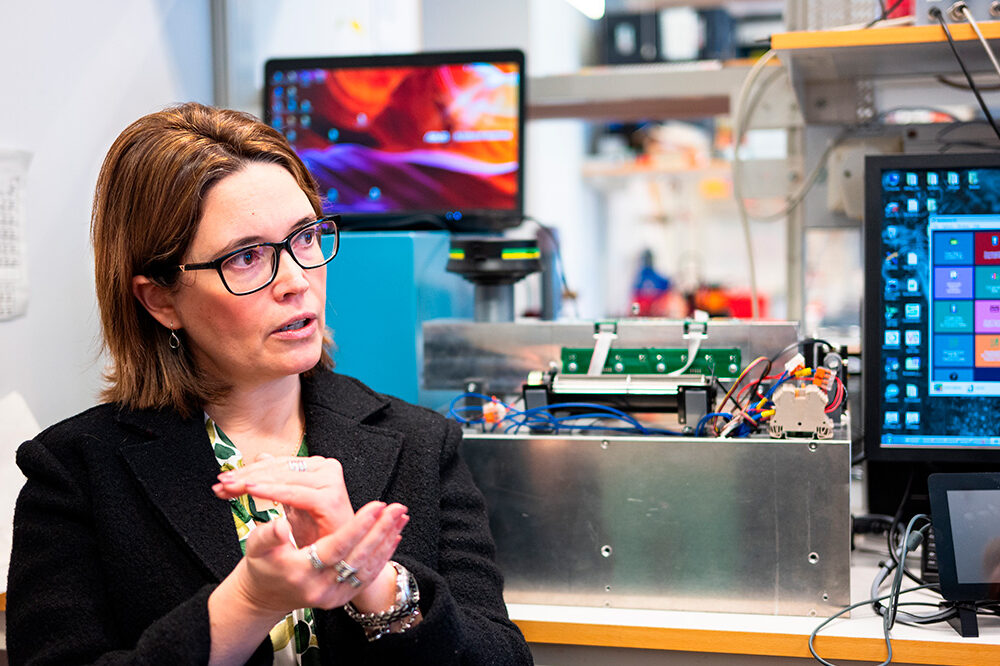
“Many studies – including ours – have shown promising results in pre-clinical settings, but larger validation studies and clinical trials are still needed before these technologies can become part of routine healthcare practice,” says Puglisi.
Her hope is that the evidence collected so far will continue to grow stronger and more robust, eventually supporting the use of electronic noses in clinical settings for screening and diagnostic purposes.
“Early detection remains one of the greatest challenges in cancer care, and technologies that enable faster, less invasive, and more reliable testing could potentially improve both survival and quality of life for millions,” she says.
My personal hope is that collaboration between academia, healthcare institutions, and industry can remain strongly focused on patient benefit and accessibility, ensuring that scientific advances ultimately serve people first.
Beyond the scientific aspects, she also believes it is important to reflect on the societal dimension of medical innovation. “Cancer diagnostics is an area with enormous potential impact, but also significant commercial interest. My personal hope is that collaboration between academia, healthcare institutions, and industry can remain strongly focused on patient benefit and accessibility, ensuring that scientific advances ultimately serve people first.”
Published: July 8, 2026