Nasal organoids: Bridging the gap between lab and clinic
Growing two or three-dimensional human nasal tissue can lead to better reliability in research studies, personalized treatment strategies, and ultimately contribute to better outcomes for patients.
June 3, 2026


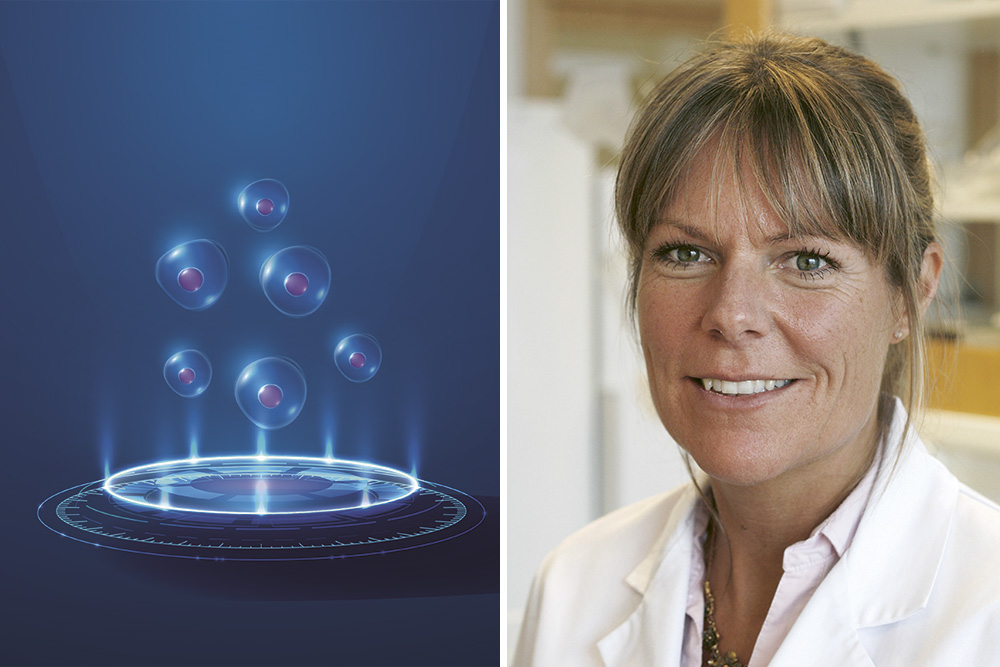
Docent Marie Hagbom, affiliated with Linköping University and Karolinska Institutet–Danderyd’s Hospital, is very familiar with organoids and their emerging potential. Organoids are spherical, three-dimensional tissue structures derived from stem cells that self-organize to mimic the structure and function of real organs. Having worked with nasal and intestinal organoids, now also establishing lung organoids, she believes this technology has the potential to transform biomedical research.
“In the future, these models may replace many of the cancer cell lines and animal models currently used, offering more accurate and human-relevant results,” she says, citing an example from the COVID-19 pandemic.
“During the pandemic, hydroxychloroquine was used as a treatment. Although it was initially considered to have antiviral activity in transformed monkey kidney cells (Vero cells), it did not reduce mortality or improve clinical outcomes in patients, nor did it show efficacy in human organoids. Similarly, chloroquine demonstrates broad antiviral activity across multiple viruses in transformed cell lines but shows minimal or no effect in human organoids. In contrast, the opposite pattern is observed with camostat mesylate for the treatment of SARS-CoV-2; it has weak or no effect in Vero cells but shows significant activity in human organoid models. Transformed cells tend to favor endosomal entry pathways, exhibit defective interferon responses, and often misrepresent human drug metabolism,” she explains.
Powerful preclinical systems
When it comes to the nose, Hagbom and her colleagues at the Department of Biomedical and Clinical Sciences at Linköping University, were one of the few groups in Europe able to collect and grow human adult nasal stem cells and induce them to form the different cell types of nasal epithelium.
In contrast, transformed cell lines and animal models often poorly represent human biology.
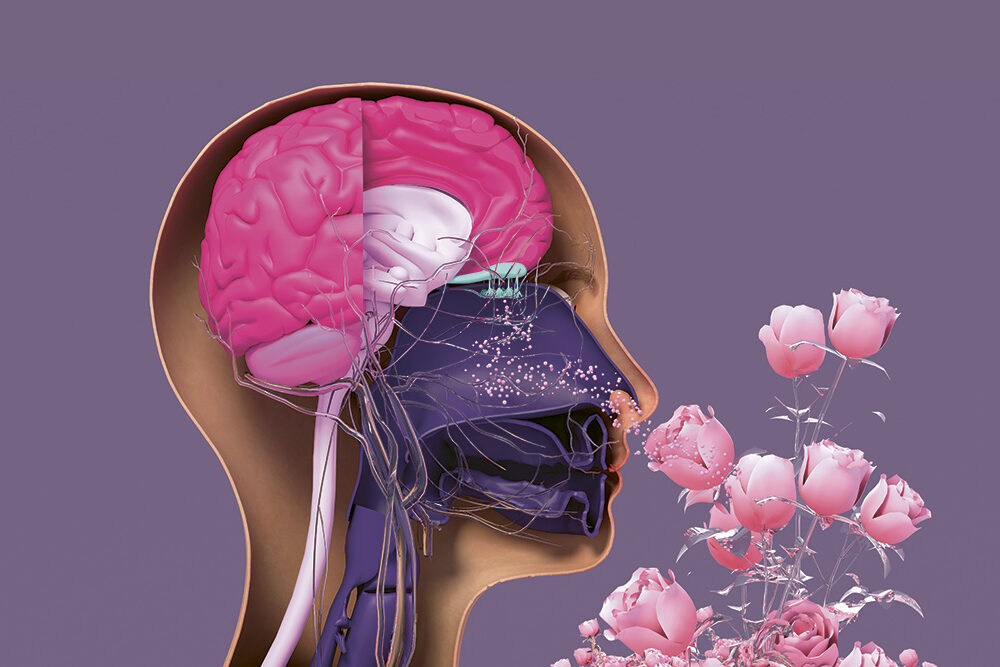
“By performing a simple nasal wash with saline and using a nasal swab, we can collect enough stem cells to grow them in culture and expand them as organoids,” explains Hagbom. “These nasal organoids can be expanded, frozen, or differentiated into 3D nasal tissue. They can also be dissociated and plated in Transwells, where they form a 2D layer of nasal epithelium.”
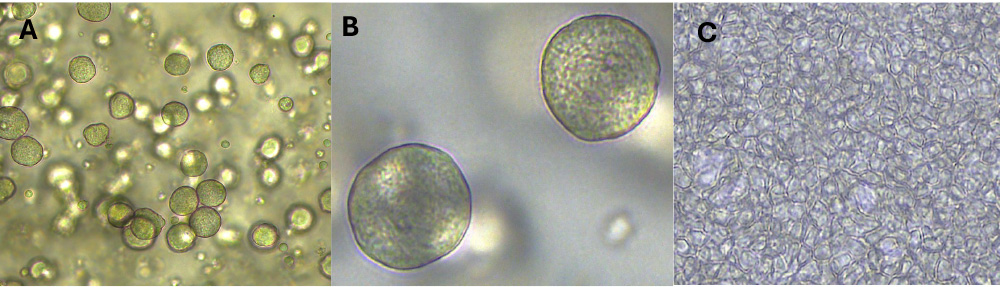
This nasal tissue has several advantages according to Hagbom. The stem cells can generate all the different cell types found in the nose, they are non-transformed and closely reflect human biology.
“Research data obtained can be more accurately translated to humans,” she explains. “In contrast, transformed cell lines and animal models often poorly represent human biology. Nasal organoids, along with other human organoid models, can therefore serve as powerful preclinical systems to improve the relevance and reliability of research findings.”
For example, scientists can investigate how viruses attach to and replicate in human cells, as well as how the host responds to infection.
Applications include toxicology studies, drug screening, disease mechanisms, and infection research. For example, scientists can investigate how viruses attach to and replicate in human cells, as well as how the host responds to infection. They can also be used to develop and test new treatment or prevention strategies, Hagbom explains.
“Another key advantage is the ability to study individual responses, for example, how different people respond to infections or diseases,” she adds. “The epithelial response can be studied in isolation, without interference from immune cells or nerves, but these components can also be incorporated into the system when needed, depending on the research question.”
Preventive treatments
Using this nasal model, Hagbom and colleagues at Linköping University investigated, for example, the ability of avian influenza viruses to infect the human nasal epithelium. The model serves as a valuable tool for assessing the risk of zoonotic spillover to humans and for studying individual host–pathogen interactions.
Marie Hagbom is currently also part of Professor Charlotte Thålin’s research group at Karolinska Institutet-Danderyd’s Hospital, where she has established both nasal and lung organoid models to support ongoing research.
The goal of this work within the Thålin group is to support development of preventive treatments, such as a nasal spray that could reduce or block viral infections before they take hold.
“Our current focus is on understanding how secretory IgA (sIgA), an important antibody in mucous membranes, protects against infections, particularly influenza. The goal of this work within the Thålin group is to support development of preventive treatments, such as a nasal spray that could reduce or block viral infections before they take hold,” Hagbom explains.
The group is also establishing lung organoids from patients with chronic obstructive pulmonary disease (COPD) and investigating how the transport of IgA to the airway mucosa differs between healthy individuals and those with COPD.
Advancing the systems
A central focus of Marie Hagbom’s research has been the study of enteric virus infections and the mechanisms underlying disease, work she previously conducted at Linköping University in the research group led by Professor Lennart Svensson. In particular, this research has explored how infections in the gut communicate with the brain to trigger symptoms such as nausea and vomiting.
“While much of this earlier work relied on animal models and transformed cell lines, I have now transitioned to an independent research program centered on human organoid models. My current work aims to advance these systems by incorporating sensory nerve cells into intestinal organoids, enabling the study of viral interactions with both epithelial and neural components,” she says. “Looking ahead, similar approaches could be extended to nasal organoid models to improve our understanding of smell disorders and other sensory conditions.”
Looking ahead, similar approaches could be extended to nasal organoid models to improve our understanding of smell disorders and other sensory conditions.
Global research is now underway to develop more advanced systems that combine multiple cell types, such as immune cells, and even connect tissues from different organs, like the gut, lungs, and brain, she describes.
Efforts are also underway to include blood vessels, making the models even more lifelike with the capacity to generate larger tissues.
“Ultimately, human organoid models can benefit patients in several important ways. They enable more personalized treatment strategies, improve the relevance and accuracy of research, and help bridge the gap between laboratory discoveries and clinical applications. This can accelerate the development of new therapies and contribute to better outcomes for patients,” concludes Hagbom.
Updated: July 8, 2026, 02:53 pm
Published: June 3, 2026