Evotec: Where human insight meets artificial intelligence
Artificial intelligence is rapidly reshaping drug discovery and development, and the companies making real progress are those that treat AI as an accelerator, not a replacement, for scientific judgement.
September 13, 2026
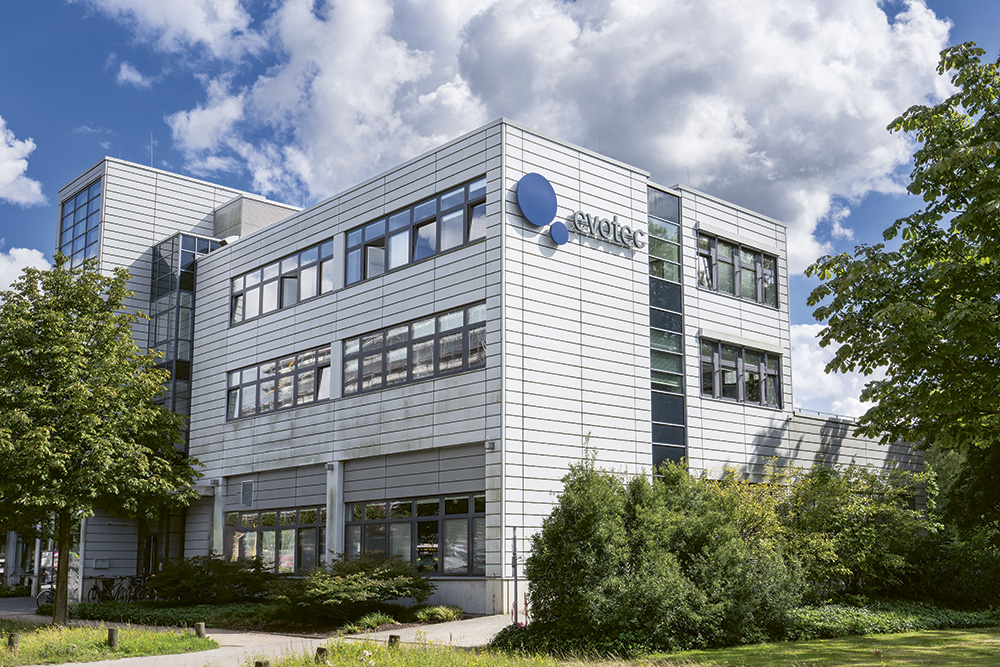
One company that uses AI where it truly moves the needle is Evotec, a global drug discovery and development partner headquartered in the heart of Europe, in Hamburg. The company’s integration of computation, biology, and experimental design is driving drug discovery workflows where algorithms and seasoned drug developers push each other forward.
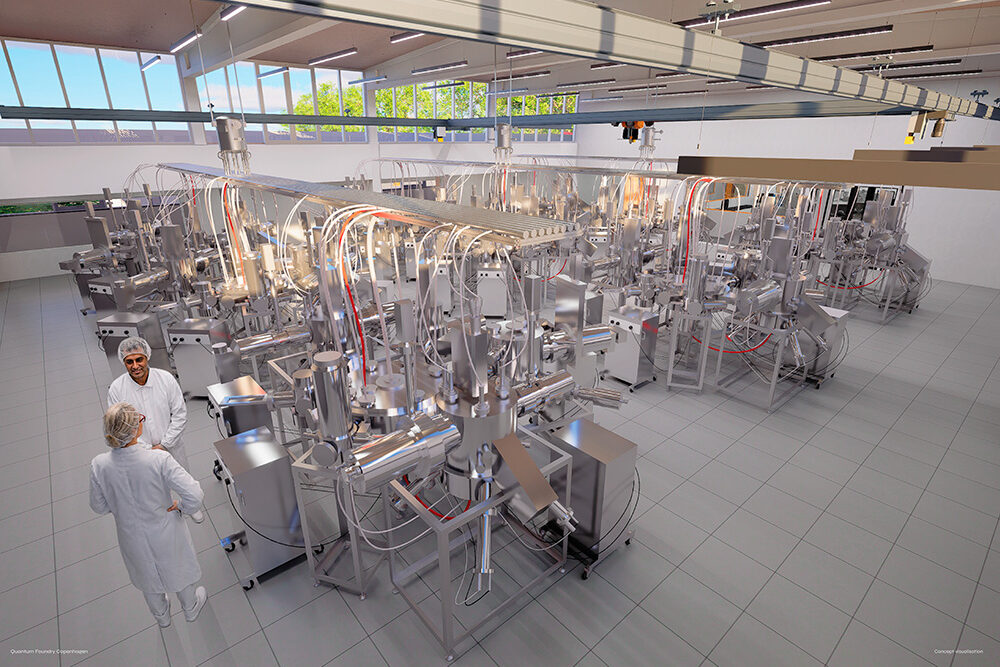
Evotec offers fully end to end drug discovery and development capabilities – from target identification and validation to hit identification, lead optimisation, IND preparation, early clinical development, and Phase I-III support. Its platforms span highthroughput screening, multiomics technologies, and advanced in silico design.
The company has a strong track record of progressing drugs to the clinic and the market, and strong technological capabilities. Leaders at Evotec argue that the real frontier of the business is not algorithms alone, but the way their experienced drug developers weave AI into their processes.
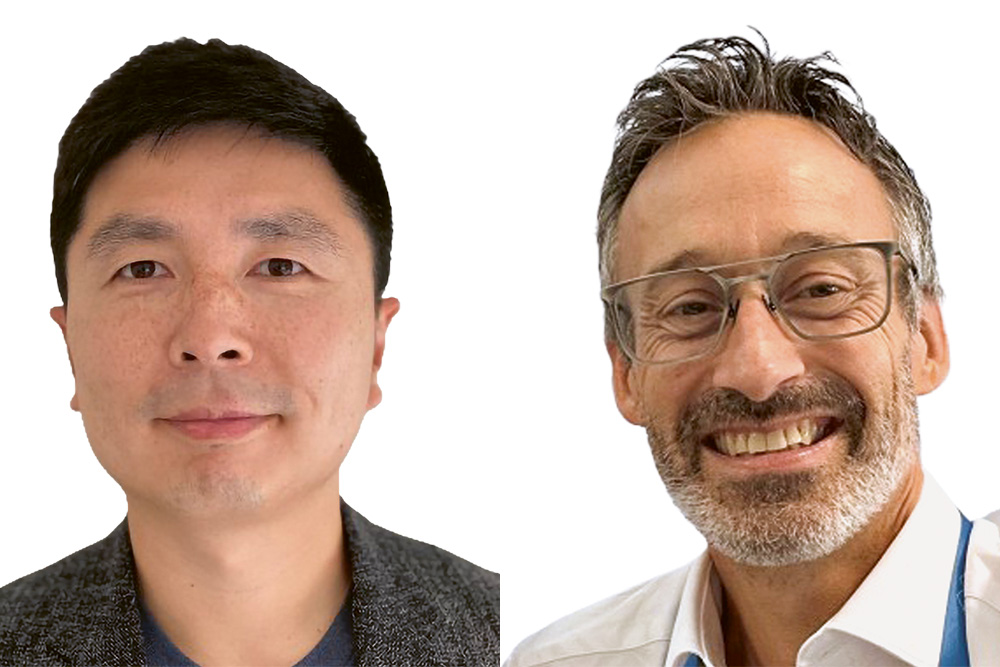
“We are very strong on the AI integration: implementation, development, and integration within our drug discovery workflows. This supports target identification and target validation, and all the way down to candidate selection,” says Christophe Boldron, Evotec’s VP and Head of Molecular Architects.
Evotec is one of the strongest companies when it comes to omics data analysis and data generation. We have cutting-edge screening and high-throughput platforms.
Rui Wang, EVP and Head of Global In Silico and AI at the company, points out that AI is powerful where the right data exists, but will only be fully beneficial when guided by people who understand why programmes succeed or fail.
“It is important to remember that AI cannot make things from thin air. If we don’t really understand the disease mechanism, AI will not help us to generate that. So human expertise and that kind of detailed analysis and human insight are still critical. Evotec is one of the strongest companies when it comes to omics data analysis and data generation. We have cutting-edge screening and high-throughput platforms. We also have all the capabilities analysing genomics, proteomics, transcriptomics, and metabolomics data. It’s rare that other actors in our space have this kind of capability,” Rui Wang says.
We’re unique in the integration of all these aspects: the human, the technology, and the workflows working together towards the same objective with a clear direction.
Christophe Boldron agrees: “We’re unique in the integration of all these aspects: the human, the technology, and the workflows working together towards the same objective with a clear direction.”
One area where AI is already delivering measurable impact is in phase I clinical trials. Across the industry, AIderived molecules are achieving far higher tolerability and safety rates than historical averages.
“Phase I is largely a test of whether a molecule is safe and tolerable in the human body. This is where good molecular properties and toxicity analysis really pays off and this kind of assessment is great for generative medicine, generative design, and some of the advances that AI is making possible right now. This explains why the change of phase I success rate is now 80-90%, up from previous 50-60%,” Rui Wang says1.
Phase II, however, hasn’t been significantly improved by AI yet, as artificial intelligence hasn’t cracked the complexity of human biology at the level required for consistent efficacy predictions.
AI’s future impact will depend on the ability to unite computation, experiment, deepening biological knowledge, and – last but not least – Evotec’s experienced scientists who make it all come together.
Wang is candid about the challenge: “Phase II represents a critical point in drug development: it is where therapeutic hypotheses are tested against efficacy in patients. Yet human disease biology remains highly complex, and the data needed to understand it is often incomplete or fragmented. This limits the ability to apply AI effectively to clinical trial design. Evotec brings together deep expertise in human biology, multimodal patient data and advanced AI and analytics to help overcome these limitations, i.e., connecting biological understanding with data-driven insights to inform better patient stratification, biomarker strategies and clinical development decisions.”
The ambition to continue to push the needle on what AI can do within drug discovery reflects Evotec’s confidence in its integrated model. AI’s future impact will depend on the ability to unite computation, experiment, deepening biological knowledge, and – last but not least – Evotec’s experienced scientists who make it all come together.
Published: September 13, 2026