BICO narrows focus to precision biology and reviews options for Biosero
BICO has launched a new strategy, BICO 2030, that focuses the group on precision biology and moves it away from large, integrated lab automation projects. As part of the shift, the company is assessing options for its lab automation subsidiary Biosero.
November 11, 2026


The strategy follows a review of BICO’s portfolio, technologies and market positions. The review found that the group’s strongest capabilities and customer relationships are in precision biology, which BICO defines as technologies and workflows that help laboratories generate more predictive, reproducible and biologically relevant data. The lead market will be cell-based applications in biotech and pharma, with a particular focus on cell solutions and 3D cell models. BICO will step away from highly customized integration projects built with third-party instruments, but lab automation remains an important market for its own instruments.
BICO puts the total addressable market across its product categories at about USD 10 billion. Its current serviceable market is about USD 1.5 billion, growing 4–7% a year. The company aims to increase the share of consumables, services and software in its revenue and to reduce its exposure to large customized projects, which it says have weighed on profitability. The board has reconfirmed the existing long-term financial targets: double-digit organic growth, an EBITDA margin (less capitalized development costs) above 10%, and net debt below three times EBITDA.
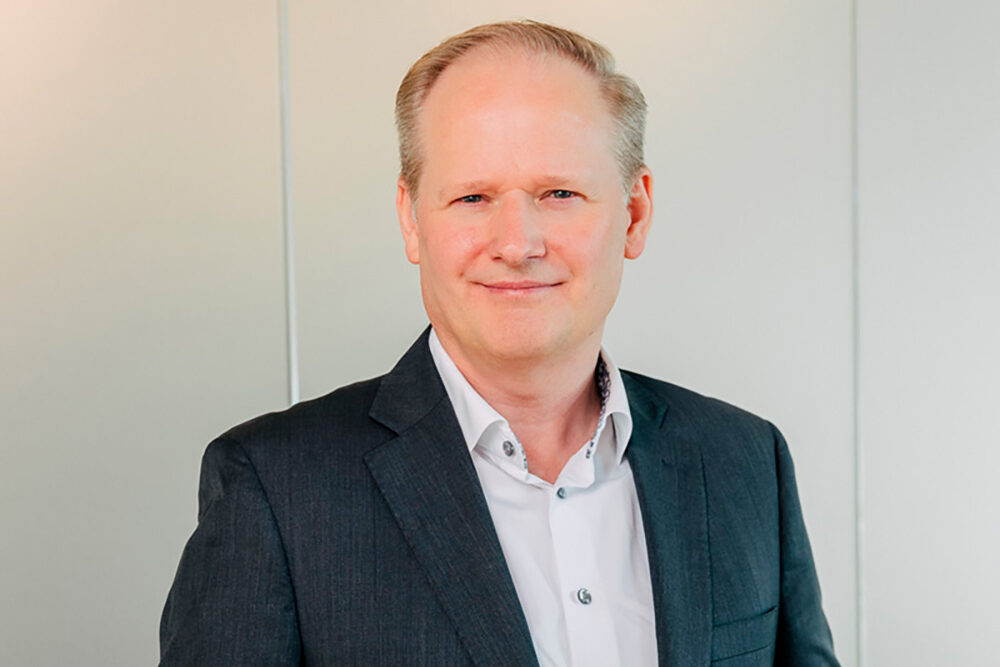
BICO is also changing its executive management from November 11. Petros Apostolopoulos, Managing Director of Lab Instruments, and Avijit Minocha, Managing Director of CELLINK, join CEO Anders Fogelberg, CFO Ewa Linsäter and CTO Julian Riba. Catharina Nordlund, Chief HR Officer, and Jesper Haglund, Chief Operations & Digital Officer, keep their roles but move to the extended leadership team.
“The BICO 2030 strategy is about focus. Our vision and ambition have not changed, but we have sharpened our understanding of where BICO has the strongest ability to compete and create long-term value,” says Anders Fogelberg, President and CEO, BICO Group.
Published: November 11, 2026