Science article - March 8, 2022
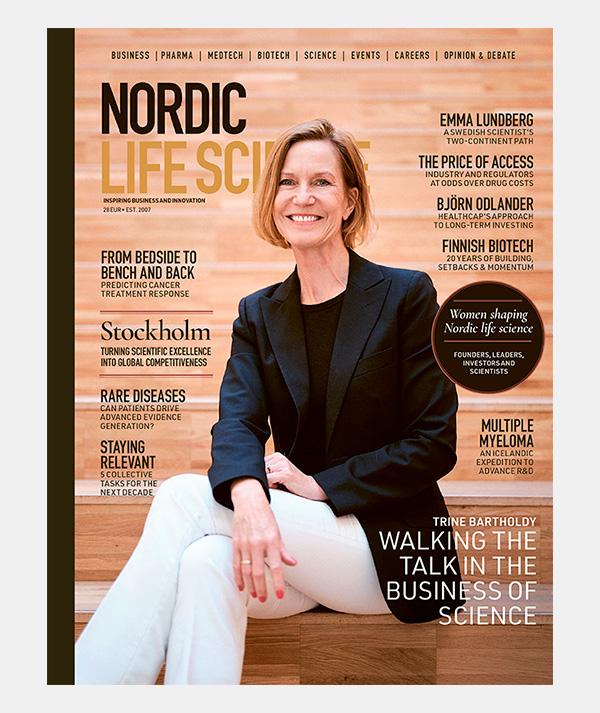
Celebrating Women in Life Science Part II: Science
On International Women’s Day we like to highlight some of the many inspiring women in life science that we have had the opportunity to meet and interview. Within life science research Nordic Life Science has interviewed both young female scientists at the beginning of their careers as well as well-established female scientists – including several […]

COVID-19 - December 1, 2020
COVID-19 vaccines: CEPI steps up
Since launching at Davos in 2017, an Oslo-based global organization has been accelerating pandemic preparations. Years before COVID-19 appeared, the Coalition for Epidemic Preparedness Innovations (CEPI) began working to make vaccine development – including for coronaviruses – faster and less of a financial burden. CEPI is a global nonprofit, supported by public and private funders, […]

Science article - June 20, 2020
How to succeed with heterologous genes
Scientists at the Technical University of Denmark upend conventional wisdom about introducing new genes into bacteria. Why do some foreign genes work well in a new host and some do not? The reasons are critical for synthetic biologists who add heterologous genes to bacteria. The issue is clinically relevant, since bacteria gain antibiotic resistance through […]

Science article - July 4, 2019
New findings about the gut microbiome
The TEDDY study – which includes kids in Finland and Sweden – is finding factors that influence type 1 diabetes. Type 1 diabetes (T1D), which is often diagnosed in childhood, results from a complex interaction of genetic and environmental factors, including the gut microbiome. To identify influencers of T1D development, the Environmental Determinants of Diabetes […]

Science article - June 16, 2019
B cells in the immunotherapy spotlight
New studies focus on B cells in lymphoid structures within tumors. Three recent papers in Nature could help improve cancer treatment by immune checkpoint blockade (ICB). Checkpoint inhibitors such as the antibody therapies ipilimumab, nivolumab, and pembrolizumab promote a response against cancer by blocking CTLA-4, PD-1, or PD-L1. The research behind this therapy was recognized […]

Science article - April 27, 2019
A paradigm-shift in cancer?
Immunotherapy is the 2016 Clinical Cancer Advance of the Year and a promising new strategy for treating cancer. But how far have we come? The American Society of Clinical Oncology (ASCO) justified this year’s choice of Clinical Cancer Advance, immunotherapy, by the fact that no recent advance has been more transformative, particularly over this past […]