Cluster cross-pollinating Europe
As the EU pushes for a more competitive life science sector, Medicon Valley Alliance is reaching across borders to connect Europe’s fragmented innovation clusters rather than let each country try to build everything alone.
September 27, 2026


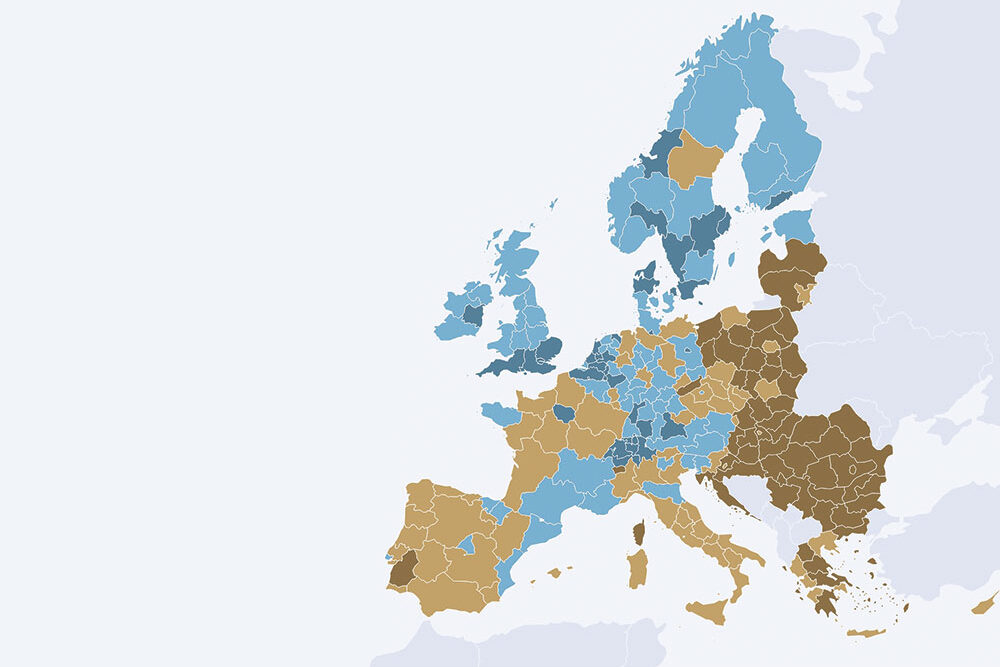
Following the release of the Draghi report on EU Competitiveness in September 2024, which explicitly identified Medicon Valley across Denmark and Sweden, along with the innovation hubs BioValley in France, Germany and Switzerland, and FlandersBio in Belgium, as part of the solution to Europe’s highly fragmented innovation landscape, the European Commission has set the bar high. The title of the European life science strategy paper published on July 2, 2025, “A strategy to position the EU as the world’s most attractive place for life sciences by 2030” indicates the level of ambition.
The analysis “Strengthening European Competitiveness – The role of life science hubs” published by Citeline and presented at the MVA Annual Summit in November 2025 explicitly points to more than a handful of opportunities for cross-cluster collaboration including, but not limited to, shared digital health and data platforms, public-private infrastructure sharing, pan-European talent mobility & training, coordinated regulatory engagement, joint manufacturing and supply chain hubs, and cross-hub thematic consortia.
An organization such as Medicon Valley Alliance can provide the facts and help set the scene, but the tough decisions will need to be addressed by national governments and the EU institutions.
These are areas in which a new balance has to be struck between the traditional approach typically defined by Member States’ national interests, which leads to support for local champions and a dispersed landscape, and the need to collaborate and cross-pollinate while focusing more intensively on developing a few dedicated, targeted hubs with distinct strengths and the critical mass needed to compete and perform on the global stage. In the process some EU member states obviously need to make difficult choices about national priorities, which is a difficult message to deliver in the respective capitals. It is for instance suboptimal from a European point of view for every EU Member State to aspire to build and nurture a world-leading oncology cluster. This is obviously a matter of high politics, and an organization such as Medicon Valley Alliance can provide the facts and help set the scene, but the tough decisions will need to be addressed by national governments and the EU institutions.
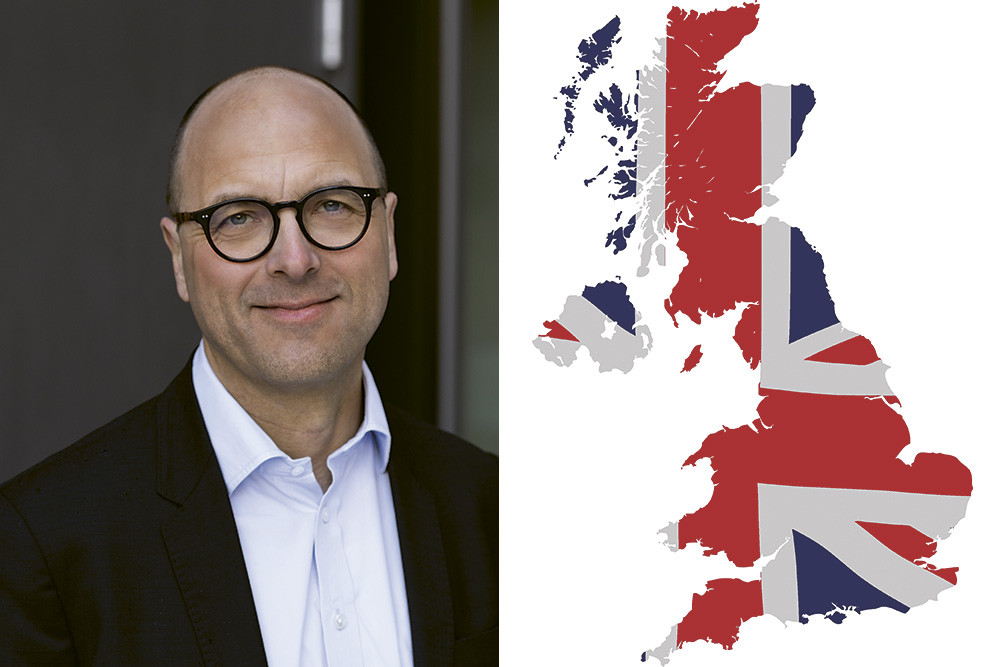
As part of this effort, the Swedish-Danish Medicon Valley Alliance has already reached out to several other clusters, including our friends in the UK, which was not mentioned in the Draghi report, to initiate this difficult discussion. The positive feedback, curiosity, and willingness to explore the cross-pollination track has been overwhelming – from Oslo to Lisbon.
We have started to systematically negotiate and promote specific registration discounts for MVA members for a broad variety of Europe-based partnering conferences.
To support this cross-pollination both practically and from the bottom up, and encourage our member companies from Denmark, Sweden, and elsewhere in Europe to explore the customer and partnership potential in other European life science clusters, we are doing two practical things. First, we have started to systematically negotiate and promote specific registration discounts for MVA members for a broad variety of Europe-based partnering conferences including BIO-Europe, Nordic Life Science Days, Knowledge for Growth, Swiss Biotech Days, BioFit and MedFit, LSX, Anglo-Nordic Life Science Conference and several others. By doing that we are simply lowering the barrier to entry for cross-pollination.
We have engaged in several more strategic projects such as the recently concluded EU-supported project HALRIC.
Second, we have engaged in several more strategic projects such as the recently concluded EU-supported project HALRIC (see my previous column) focusing on the use of one or more research infrastructures such as MAX IV and DESY, and ESS and European XFEL, for life science-related research. In the third quarter of 2026 we will kick off an EU-funded Nordic partnership spanning Denmark, Sweden, Norway and Finland focusing on the” Commercialization of Nordic SMEs within Women’s Health”. Both projects are based on the existence of specific regional strengths and cross-border collaboration with both a European and global potential.
I truly believe that if done right, with a dose of cross-pollination, regional and national initiatives can contribute to European and global solutions. The title of this year’s Medicon Valley Alliance Annual Summit in November is “Global challenges – European solutions – Medicon Valley contributions”. I look forward to continuing the conversation with you there.
about the author

Niels Abel Bonde is Chairman of Medicon Valley Alliance. This column was originally published in NLS magazine No 03 2026, out September, 2026. Photo: Ida Wang.
Published: September 27, 2026