Highlights from Vitalis
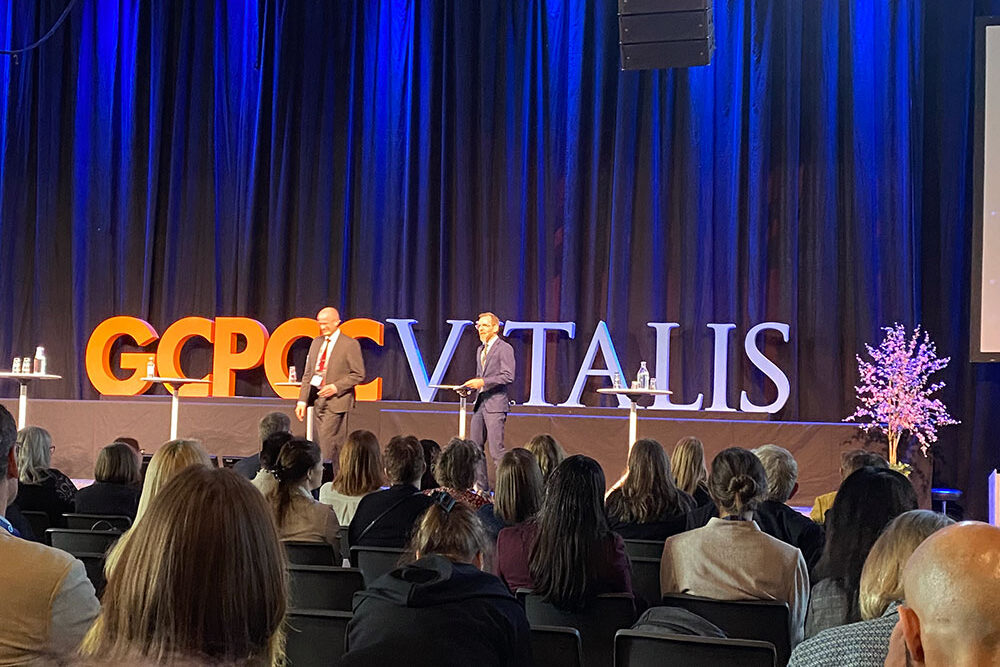
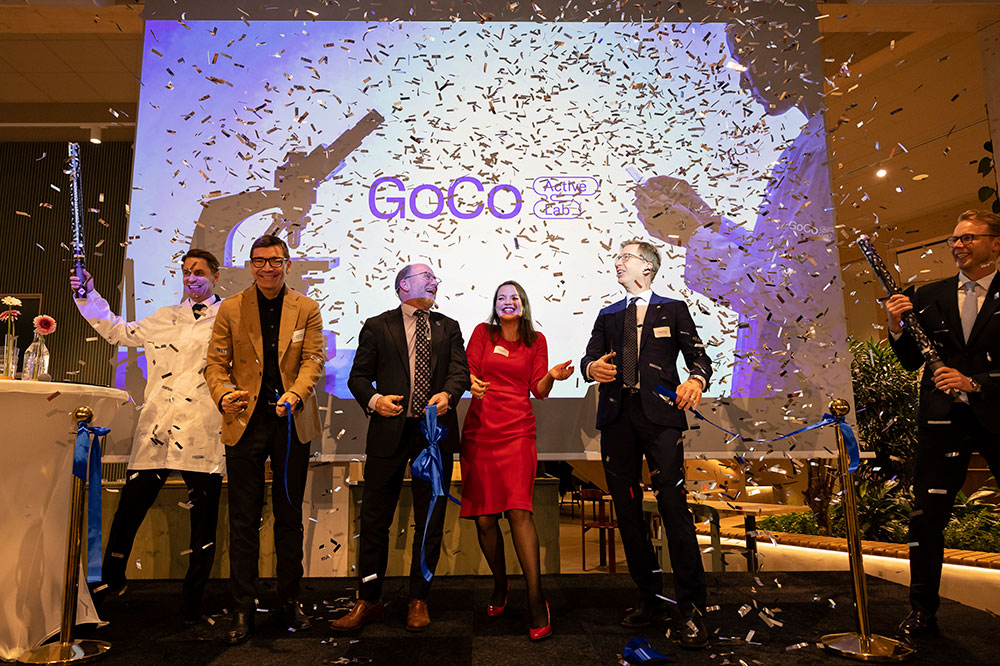
As the largest Nordic event for digital health, health tech, person-centered care, Vitalis 2026 did indeed bring together the full life science and healthcare ecosystems.
May 8, 2026


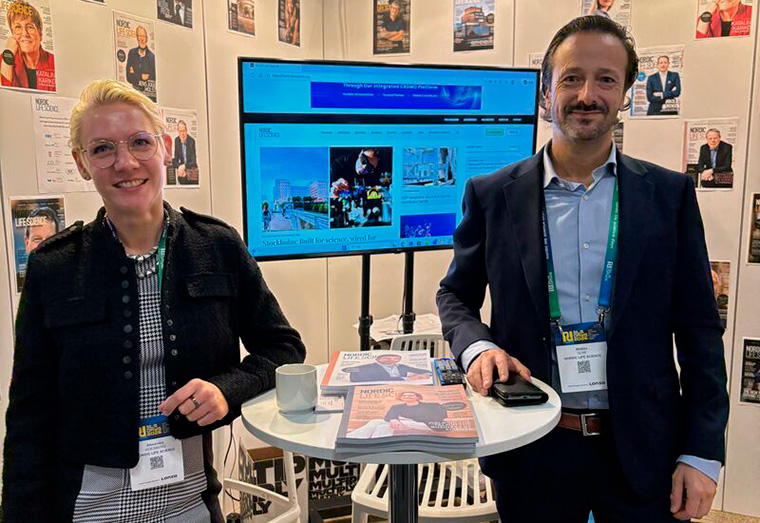
Over four days, 6,900 participants visited Vitalis at Svenska Mässan in a sunny Gothenburg. Many of them stated to NLS that this event is a great meeting place and a perfect place to find new collaborators and clients.
The agenda included many hot and relevant sessions and topics for the life science industry, including the future of Nordic healthcare, health data, medical and health apps, company pitches, clinical trials, etc.
“Our main issues are very topical and affect many. This is noticeable throughout Vitalis this year,” says Maria Sterner, Head of Vitalis.
A vibrant atmosphere
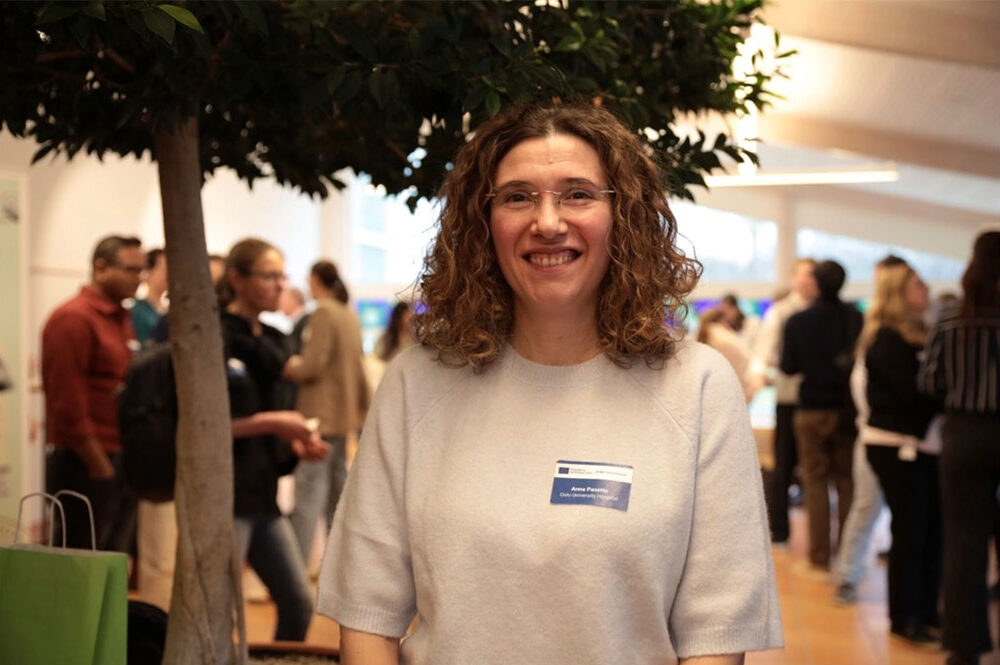
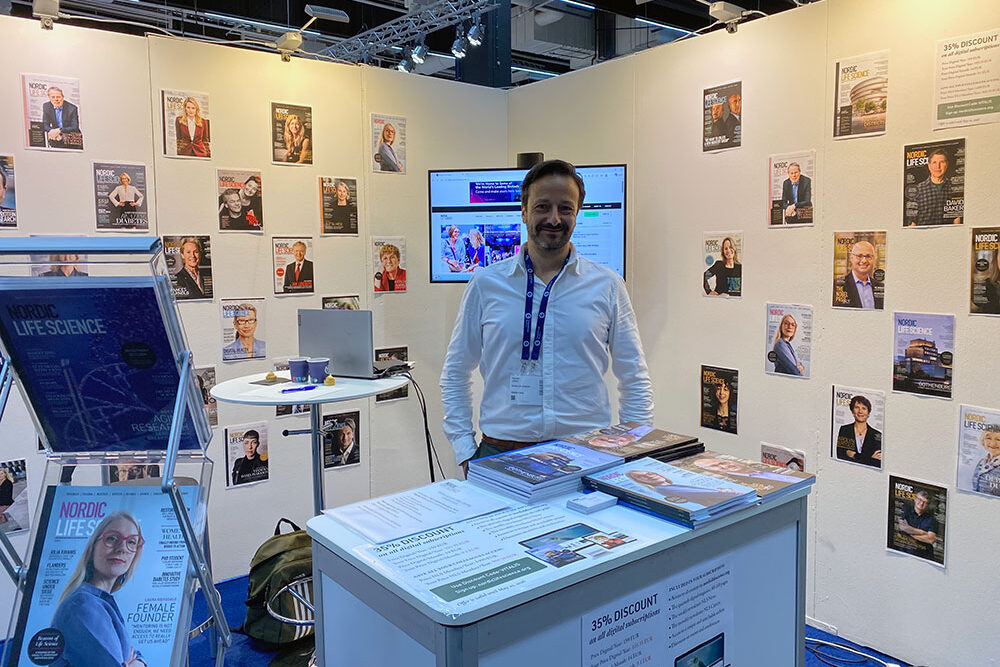
In between company pitches and interesting sessions, you could walk around the 200 different exhibitors, sit down for a while or just enjoy a coffee together with a potential collaborator. The atmosphere was vibrant and buzzing with life science and healthcare energy.
“Vitalis is the trade fair I prioritize the most. Everyone in the industry gathers here and the conversations take on a different depth through the cross-functional meetings,” stated Pelle Axelsson, Partnership Manager at Astra Zeneca.
Political debate
The first day of the event began with opening keynotes by among others Jakob Forssmed, Swedish Minister for Social Affairs and Public Health. He emphasized the government’s role of providing the right tools for digitalization to be implemented in Swedish healthcare.
The Chair of SKR (Swedish Association of Local Authorities and Regions), Anders Henriksson also held a keynote. This was followed by an interesting political debate between the healthcare policy spokespersons from all eight parliamentary parties, moderated by Emanuel Karlsten.
The potential of health data
This year’s Vitalis focused a lot on health data, exploring whether and how health data can be created and used both for primary use in healthcare and for secondary use in research, statistics, and quality improvement.
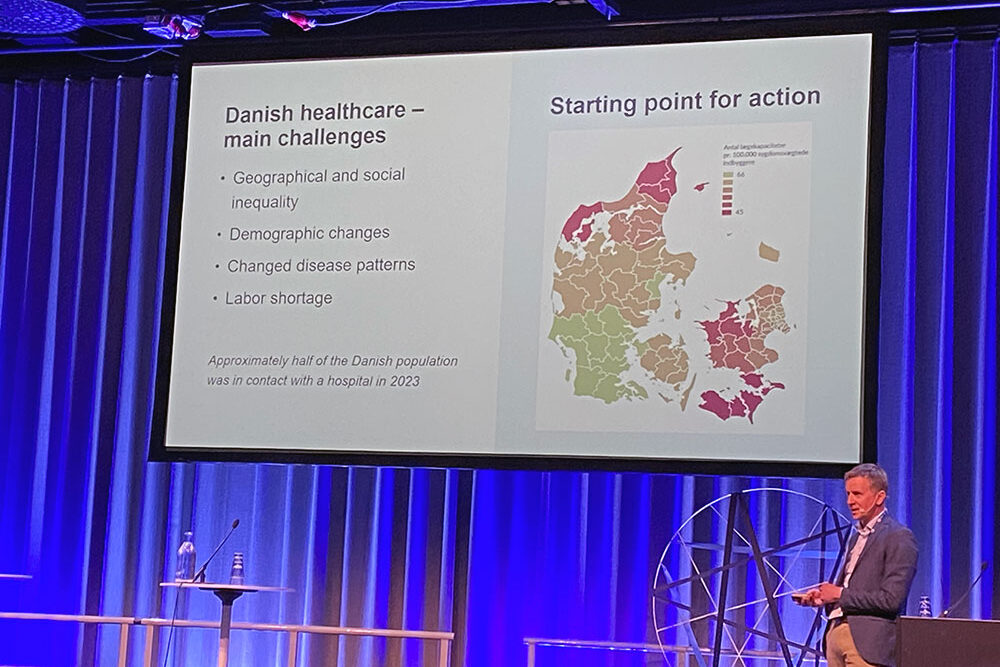
Besides the opportunities, ongoing projects and initiatives and challenges for Sweden, Denmark’s work in this area was also highlighted. Peter Munch Jensen, Manager, the Danish Health Data Agency, spoke about the new national initiative Digital Health Denmark, hopefully launched January 1, 2027. In addition, Jakob Skaarup Nielsen, Executive Director, Healthcare Denmark, spoke about public-private partnerships in healthcare and life sciences in Denmark.
Obviously all Nordic countries has a lot to learn from, and teach, each other.
Clinical trials
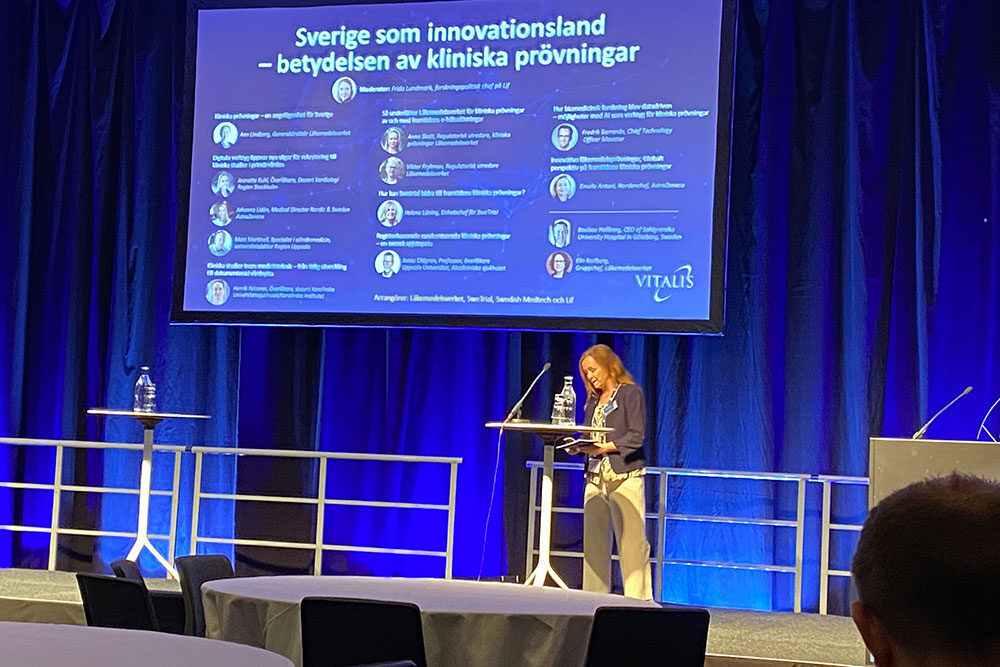
Another track focused on clinical trials, including digital solutions and how Sweden can regain a leading position in clinical research.
Ann Lindberg, Director General of the Swedish Medical Products Agency, spoke among other things about the importance of strengthening the whole of Europe as a leader in life sciences and clinical trials. And how Sweden can be at the forefront here.
The new Swetrial partnership and their plans to position Sweden as a leading country in clinical research was also presented.
A meeting place and pitches from Ukraine and Moldova
The second day began just as buzzing with energy as the first day, NLS spoke to both exhibitors and visitors and the general opinion is that this event is a great meeting place and place to find new collaborators and clients.
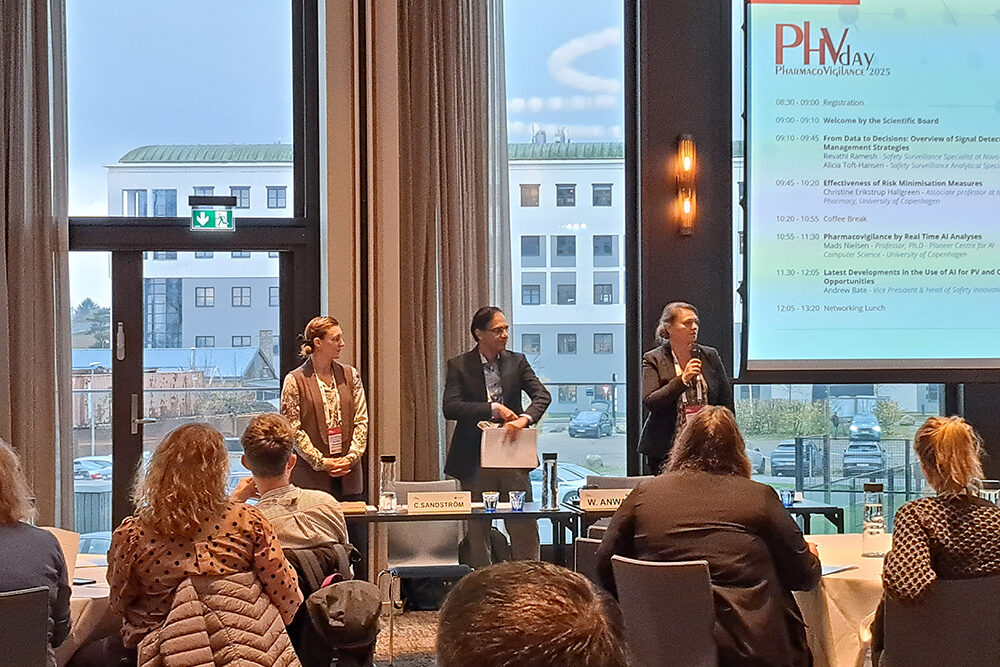
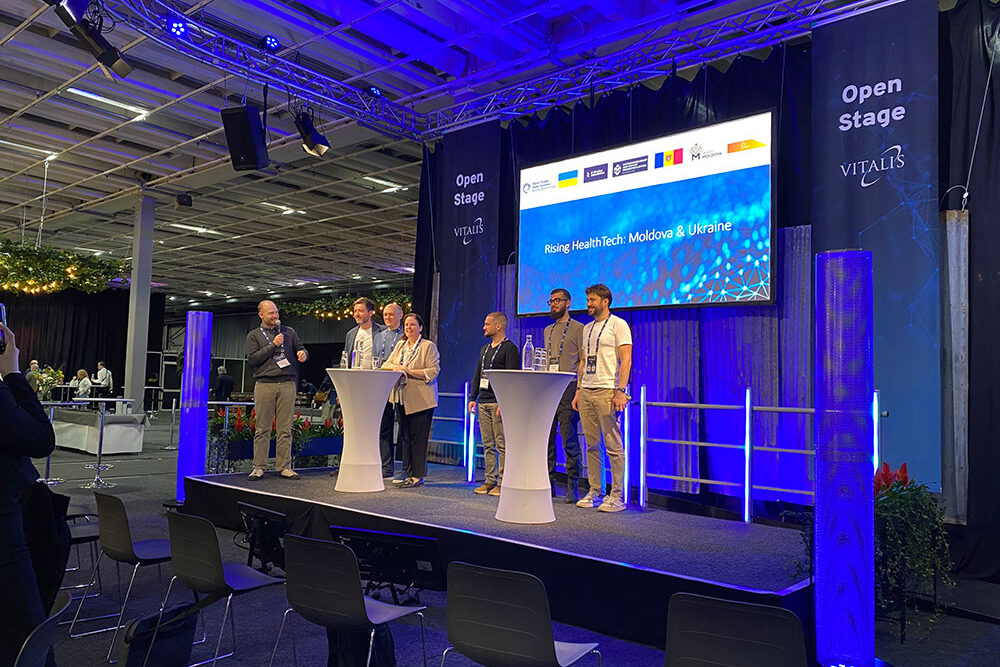
This day was also full of interesting panel discussions, presentations, pitches and topics. NLS listen for example to an introduction to the Nordic healthcare systems, sessions about trustworthy data for trustworthy AI, and pitches from health tech startups from Ukraine and Moldova – developing everything from health apps gathering all your medical data and alert systems to impatient hospitals to AI infrastructure for obesity care and a game and training platform for learning first aid and tactical combat casualty care.
Medical apps
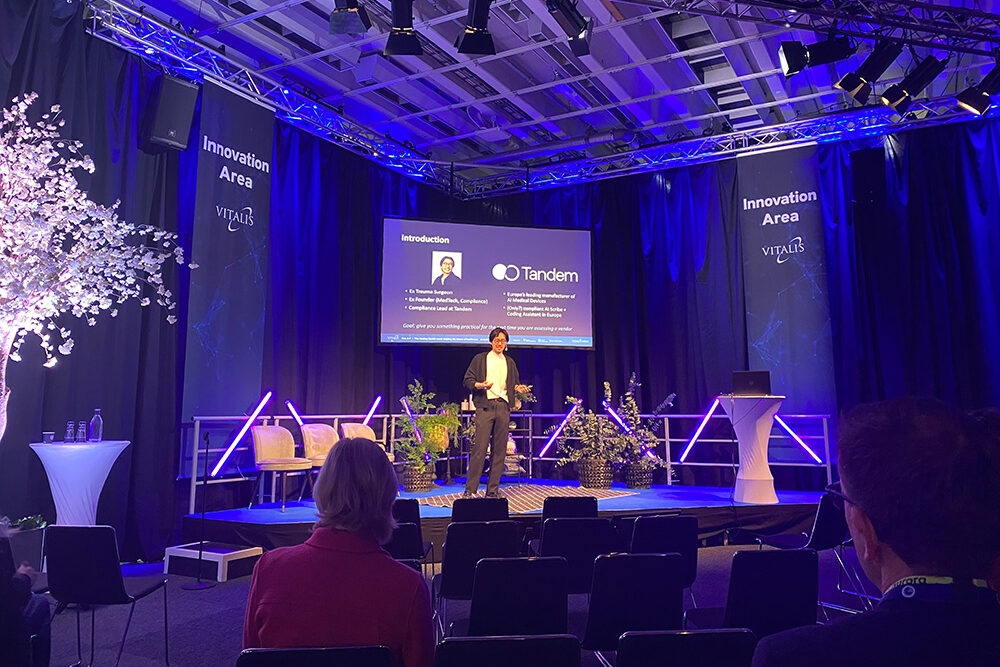
One of the sessions during the last day of the event focused on medical apps and visitors gained hands on advice on how to proceed with an innovation, what makes AI software safe for healthcare, how much does it cost to build a certified SaMD, etc.
Three awards
The Healthtech Award is given to a health technology solution that has proven to provide real benefits to healthcare. This year’s winner was Mirno, an Icelandic company that develops AI-powered virtual patients for medical education.
The eHealth Municipality of the Year was Partille Municipality and the Vitalis scholarship went to Lund Municipality for their work with mobile security alarms.
Published: May 8, 2026