Japanese quantum startup choses Copenhagen for European headquarters

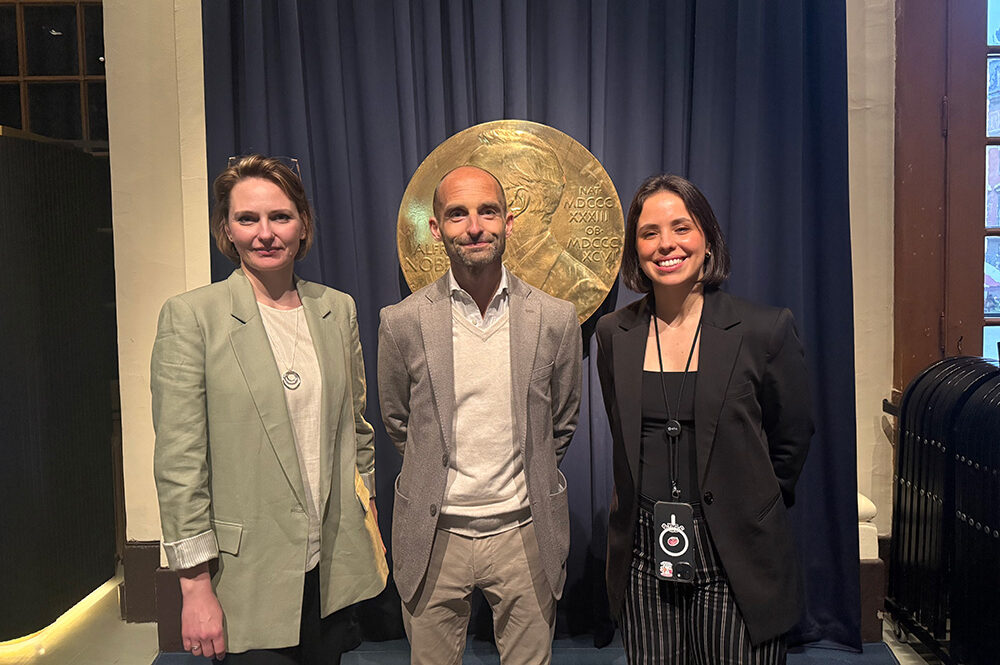
The Japanese start-up QunaSys has chose to locate their European headquarters in Innovation District Copenhagen, in the start-up community Quantum Denmark.
December 15, 2025


The quantum computers currently in operation are still experimental, but QunaSys Europe already has customers for quantum mechanical mathematics done on classical computers.
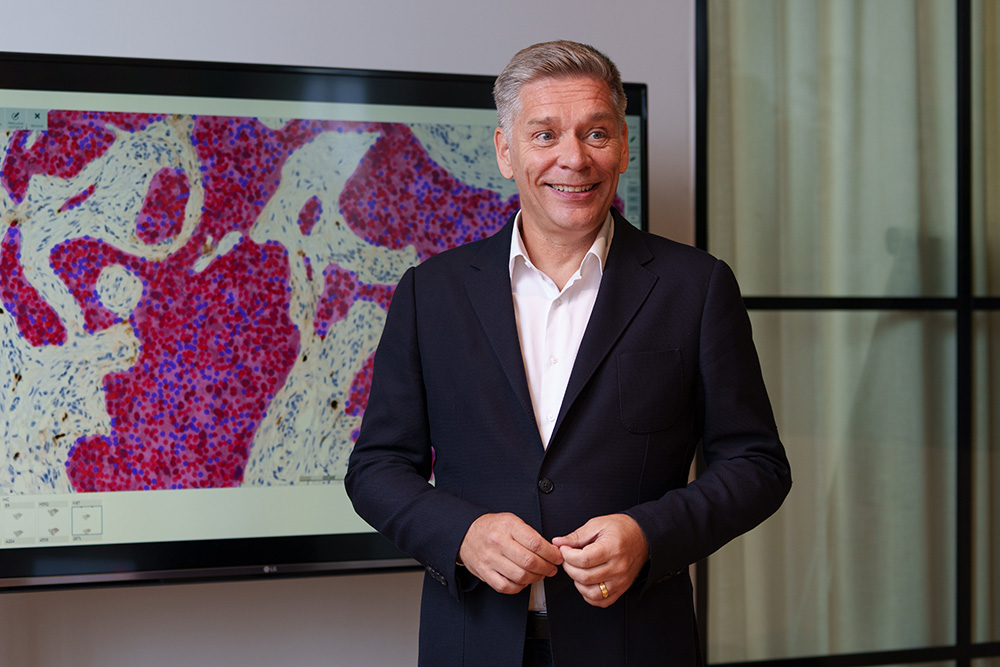
“We want to make quantum computing useful for companies. This remains a challenge because the hardware is only now being developed, but we have already worked with an energy company to compute a more efficient method to produce green hydrogen, and we have a series of other projects in the pipeline,” says Erik Stangerup, CEO QunaSys Europe.
The Japanese company chose Copenhagen as the best location for the European headquarter because of the ease of setting up a business, Denmark’s tight integration into the European Union and, not least, the legacy of Niels Bohr and his Institute.
Established in Osaka in 2018, the company now has almost 70 staff. 15 of these are in Europe, with six located in Copenhagen. According to the CEO, the Japanese company chose Copenhagen as the best location for the European headquarter because of the ease of setting up a business, Denmark’s tight integration into the European Union and, not least, the legacy of Niels Bohr and his Institute.

Breaking new ground: Quantum computing
According to Professor Matthias Christandl, Leader of the Quantum for Life Centre in Copenhagen, the potential of quantum computing within life sciences is enormous and in order to take the lead, investments in both quantum hardware and software is essential.
“Denmark has 16 physicists for every one thousand citizens. Compare this to the European average of 11 per 1,000, and you have a good reason to settle a quantum company here. On top of that, the Japanese have a high degree of respect for the Niels Bohr Institute, and Quantum Denmark, where our offices are placed, is located in the building where Bohr himself used to work,” says Stangerup.
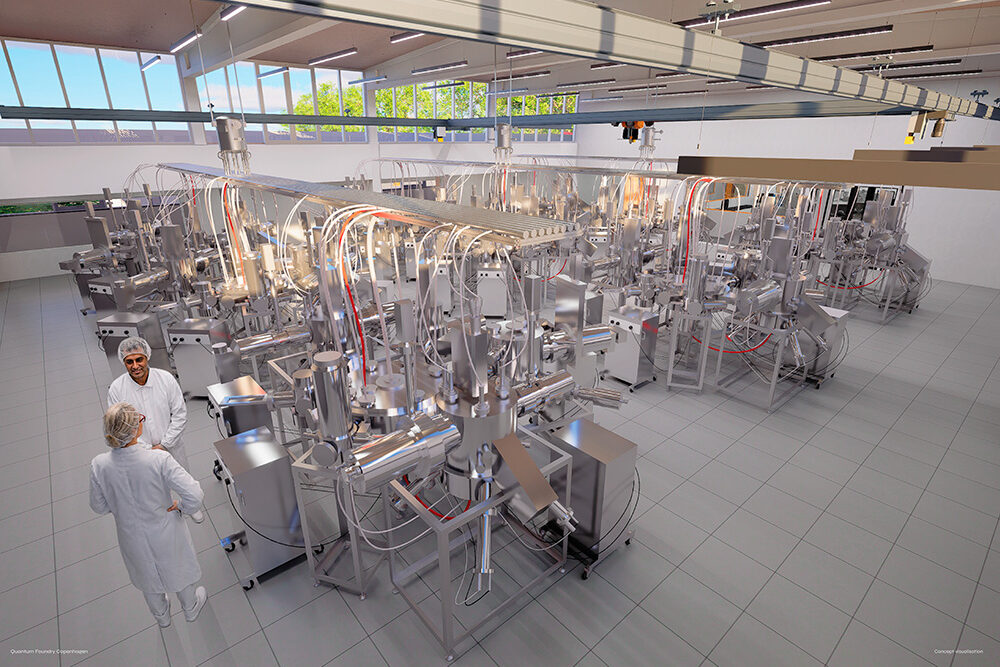
Another reason to locate a quantum-based company in the Danish capital is Magne. Magne will be one of the most powerful commercially available quantum computers in the world. It is expected to take on its first workloads for industrial customers in early 2027.

International center for medical quantum sensing to be established in Copenhagen
The Novo Nordisk Foundation has awarded a grant of DKK 150 million to establish the Copenhagen Center for Biomedical Quantum Sensing. The centre aims to develop novel quantum sensing principles and techniques for early detection of diseases. It will be located with the Niels Bohr Institute, the physics department at Copenhagen Science City-partner University of […]
“At QunaSys, we want to be the first to run a use-case on Magne. For this, we are looking for commercial companies who are willing to share their hardest computational challenges with us. Starting sooner rather than later could result in a significant compound advantage. Waiting for the technology to mature, and for others to achieve the first results is a very dangerous gamble,” says Stangerup.
Updated: December 17, 2025, 10:08 am
Published: December 15, 2025