Mendus starts clinical program in chronic myeloid leukemia

The company has completed preparations and received all regulatory approvals for the VITAL-CML trial.
April 13, 2026


This marks the start of clinical development with the company’s lead product vididencel in chronic myeloid leukemia (CML).
We are now in a position to address this huge unmet medical need by assessing if vididencel can stimulate the patient’s own immune system to reduce relapse risk and offer functional cure without life-long TKI therapy.
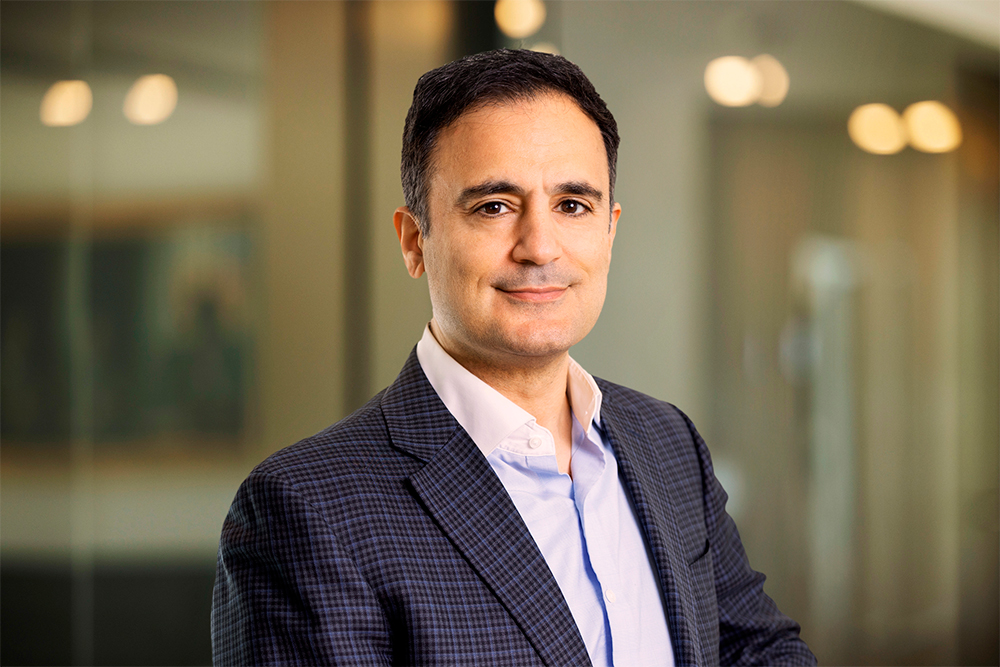
”With regulatory approvals in place, we are excited to initiate the VITAL-CML trial and thereby start the development of vididencel as an active immunotherapy in our quest to deliver the best clinical care in CML across the world,” says Tariq Mugha, Chief Medical and Scientific Officer at Mendus. ”Despite the successful development of selective and more potent tyrosine kinase inhibitors (TKIs), long-term TFR success remains limited. We are now in a position to address this huge unmet medical need by assessing if vididencel can stimulate the patient’s own immune system to reduce relapse risk and offer functional cure without life-long TKI therapy.”

MSD to acquire Terns Pharmaceuticals
MSD and Terns Pharmaceuticals have entered into a definitive agreement under which MSD, through a subsidiary, will acquire Terns for an approximate equity value of USD 6.7 billion.
The VITAL-CML trial
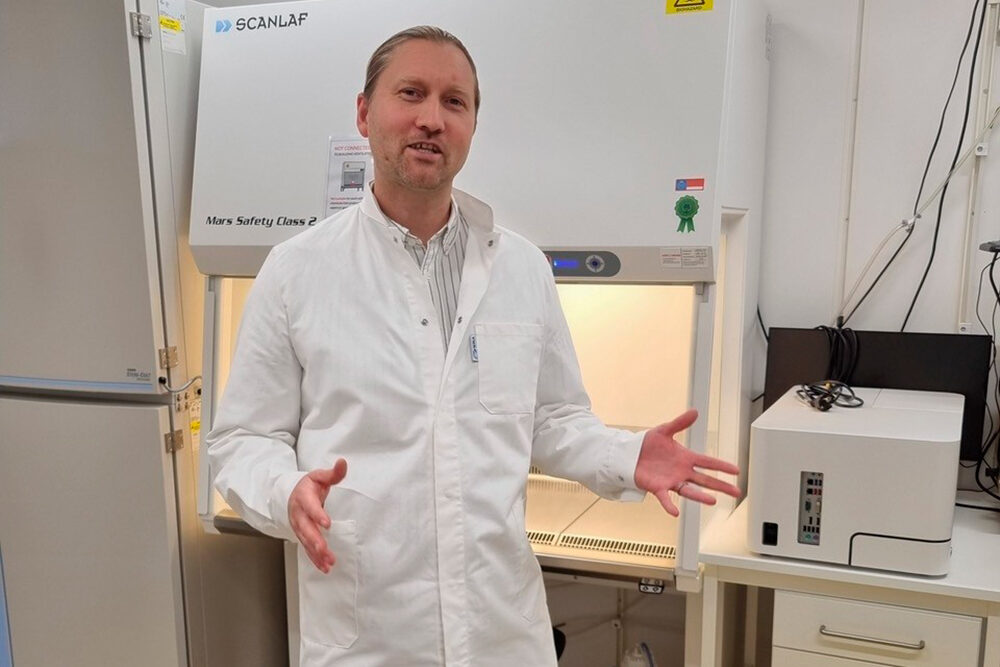
The VITAL-CML trial evaluates vididencel in chronic phase CML patients with a sub-optimal response to currently approved TKIs. The company-sponsored Phase 1b trial will be led by Prof Dr Bjørn Tore Gjertsen (Professor of Hematology, University of Bergen, Norway, and Senior Consultant Hematologist at Haukeland University Hospital) and investigate vididencel in patients with molecular disease levels indicating a sub-optimal response to TKIs.
The primary objective of the VITAL-CML trial is to establish safety and feasibility of vididencel as an active immunotherapy in CML, with the ultimate goal to allow patients to stop their medication safely and effectively, described as ‘treatment-free remission’.
”The main struggle for chronic phase CML patients is the burden of life-long medication and the side effects associated with TKIs. The VITAL-CML trial focuses on a partly forgotten but increasing group of patients with adverse effects – often younger adults facing decades or life long TKI therapy. As a next step, we will explore the use of vididencel to allow more patients to stop TKI treatment safely and successfully,” says Prof Dr Bjørn Tore Gjertsen.
The trial will recruit up to 24 patients, with initial topline safety and early molecular response data based on the first eight patients treated are expected in the second half of 2026. If positive, this will trigger the onset of the VITAL-TFR2 Phase 2a trial to assess the role of vididencel to improve TFR rates in patients who failed an earlier TFR attempt.
Vididencel
Vididencel has been studied as a safe and active immunotherapy in acute myeloid leukemia (AML), demonstrating durable clinical remissions associated with vididencel-induced immune responses in the ADVANCE II Phase 2 proof-of-concept trial. As part of its updated clinical development strategy communicated end of 2025, Mendus will broaden the positioning of vididencel as a first-line post-remission treatment in AML and expand clinical development to include CML as an additional indication.
Published: April 13, 2026