Postdoc interview: “Biomedical research is constantly evolving”

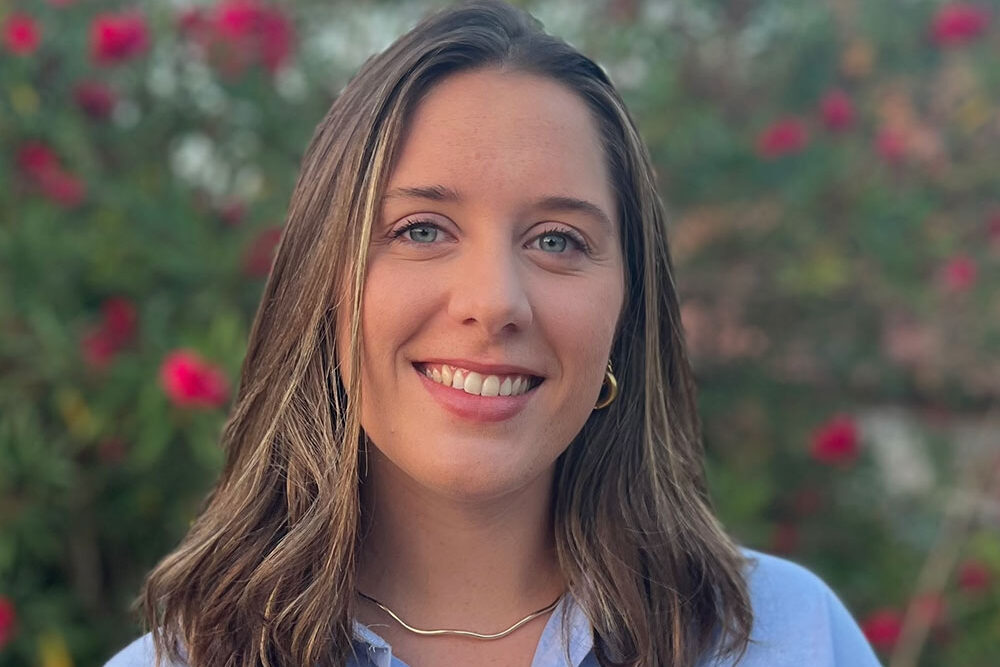
Anna Carbery’s research looks at how we can implement AI-driven peptide design to make new cancer therapeutics.
April 14, 2026


Carbery is a postdoc in Thomas Helleday’s Laboratory in SciLifeLab Stockholm, with Karolinska Institutet (KI) as her host university.
What sparked your interest in science and in your specific field?
“I was always interested in science, even as a young child. My interest was further encouraged by a very enthusiastic primary school science teacher who got us doing all sorts of hands-on experiments. I loved studying biochemistry as an undergrad but it was during my masters project that I got into computational structural biology, which determined my current path. It allowed me to start making sense of these thousands of proteins in the human proteome in a visual, three dimensional way.”
It was during my masters project that I got into computational structural biology, which determined my current path. It allowed me to start making sense of these thousands of proteins in the human proteome in a visual, three dimensional way.
“This excitement for protein structure took me into my PhD research where I analyzed patterns of protein-ligand interactions to try to improve general approaches to early stage drug design. However, I also wanted experience working with designing new treatments for specific diseases, which led me to the Helleday Lab where I am now using computational structural biology to help develop new drug candidates for several different cancers.”
Describe your current research project?
“The new wave of AI tools, particularly within protein structure prediction, has opened the door to the design of small proteins (peptides) that bind to targets implicated in disease. One of my projects looks at how we can design peptides that recognize and treat ovarian cancer cells without impacting other cells, with the aim of designing oral cancer therapeutics that have minimal off-target effects. I started out looking at the problem from a computational design perspective, however I quickly realized that I needed to get myself in the wet-lab to be able to fully understand the project and run the experiments I needed.”
This transition back into the lab is teaching me a huge amount about what is needed to make a drug development project successful.
“This transition back into the lab is teaching me a huge amount about what is needed to make a drug development project successful, and is giving me the exciting opportunity to follow the development process from computational design all the way to the clinic.”
Describe your career path and your career choices so far?
“Soon after I started studying computational structural biology, AlphaFold came out, completely transforming the way the field looked. Before then, getting the structure of a previously unsolved protein required a very different process, but suddenly everything was different. We learnt very quickly that in order to keep up, we must always be willing to try new things that felt out of our skillset. This turned out to be a very important skill in itself and helped me not only expand my abilities in computational biology to get through my PhD, but also be ready to take on new challenges in whatever form they come. In the case of my current role as a PULSE postdoctoral fellow, this has looked like starting from scratch in developing my wet-lab skills, which is not something I expected to be doing as a postdoc, and is something I am very grateful to have the opportunity to do through the PULSE programme!”
Soon after I started studying computational structural biology, AlphaFold came out, completely transforming the way the field looked.
“One thing I wish I had known earlier is the value in sitting down with someone with a completely different area of expertise and asking them lots of questions about what their day-to-day challenges are. It’s impossible to be an expert in everything but getting a view of the wider picture often helps focus the scope and impact of the work you’re doing.”
Do you have any advice for someone exploring a career in science today: students, career switchers, or early-career researchers?
“Biomedical research is something that is constantly evolving, and your niche may not yet exist – so it might be difficult to identify an end goal. Instead, follow what you find interesting, and let that guide you. Even if that means a major pivot and trying something completely out of your comfort zone, it’s worth it if it motivates you. Being a beginner again is scary, and can feel like going backwards, but trying new things and learning new skills will give you a new perspective and will build your individual way of thinking.”
Trying new things and learning new skills will give you a new perspective and will build your individual way of thinking.
How would you describe the job market within your field of expertise? What skills are most in demand, and what one practical tip would you give to help someone stand out?
“The biotech job market seems to be stabilizing after some dips, and more jobs are becoming available, in both academia and industry. Computational skills are in high demand, and I would encourage anyone to start learning how to use computational tools to aid your work.”
Being able to bridge the gap between different disciplines can also help you stand out and see the bigger picture.
“That being said, interdisciplinary communication skills are potentially even more important, as the ability to collaborate with a team who come from different backgrounds and perspectives is central to making an impact. Being able to bridge the gap between different disciplines can also help you stand out and see the bigger picture, which is a skill that is increasingly important as the techniques used in biotechnology grow to be more and more diverse.”
Published: April 14, 2026