The industry in 2026: Discipline, Convergence, and Women’s Health

SwedenBIO’s International Director, Marjo Puumalainen, shares her insights on emerging life science trends based on her many interactions from across the industry, including at JPM. The Nordic life science industry, she notes, is well positioned to take full advantage of several of these trends.
March 15, 2026


As we enter 2026, the life science industry is settling into a more disciplined and arguably more sustainable phase. The volatility of recent years has forced companies, investors, and policymakers to shift focus from scale at any cost to value creation with clear clinical and commercial relevance. This transition is shaping several defining trends.
Capital efficiency has become a competitive advantage
Access to capital has not disappeared, but it has become more selective. Companies are now expected to demonstrate clear paths to value creation, tighter portfolios, and realistic development strategies.
In 2026, these traits are increasingly attractive to international investors.
This plays to a traditional Nordic strength. The region’s life science ecosystem has long been characterized by capital efficiency, strong governance, and science-driven decision-making. In 2026, these traits are increasingly attractive to international investors and partners seeking resilient business models rather than short-lived growth stories.
Pharma–tech convergence is reshaping drug development
Large-scale collaborations between pharmaceutical companies and technology giants, such as the partnership between Eli Lilly and NVIDIA, together with major funding rounds for AI-driven drug discovery companies like Lila Sciences, continue to attract attention.
The focus is shifting from promise to performance.
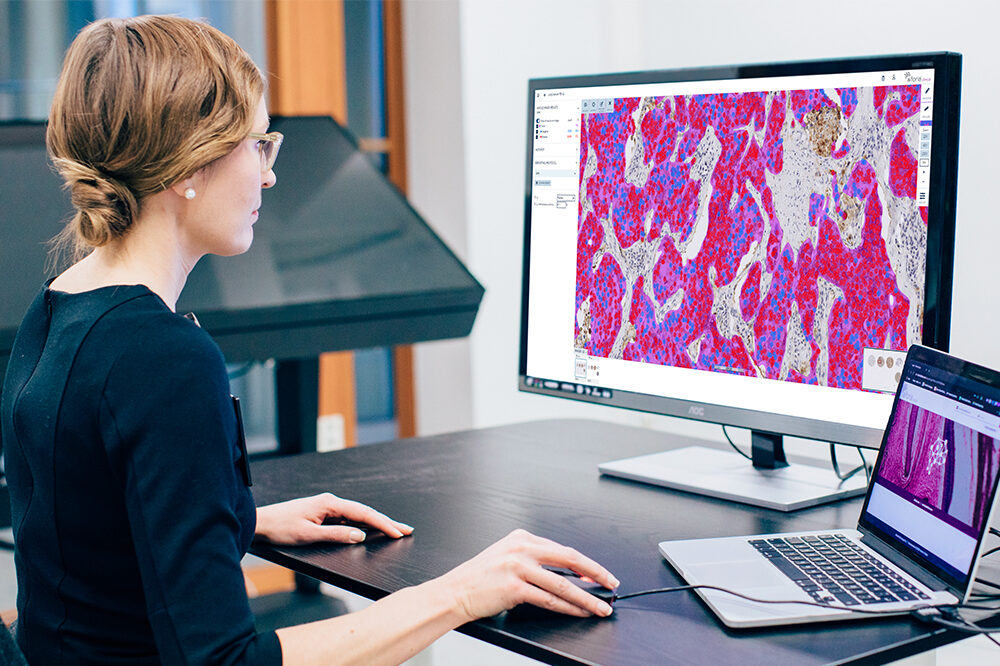
What is changing in 2026 is the tone of the conversation. The focus is shifting from promise to performance: how AI is actually improving target identification, reducing attrition, and accelerating development. The Nordics, with our strong data infrastructure, population registries, and a collaborative research culture, are well positioned – provided we act now.
Women’s health is finally moving from words to action
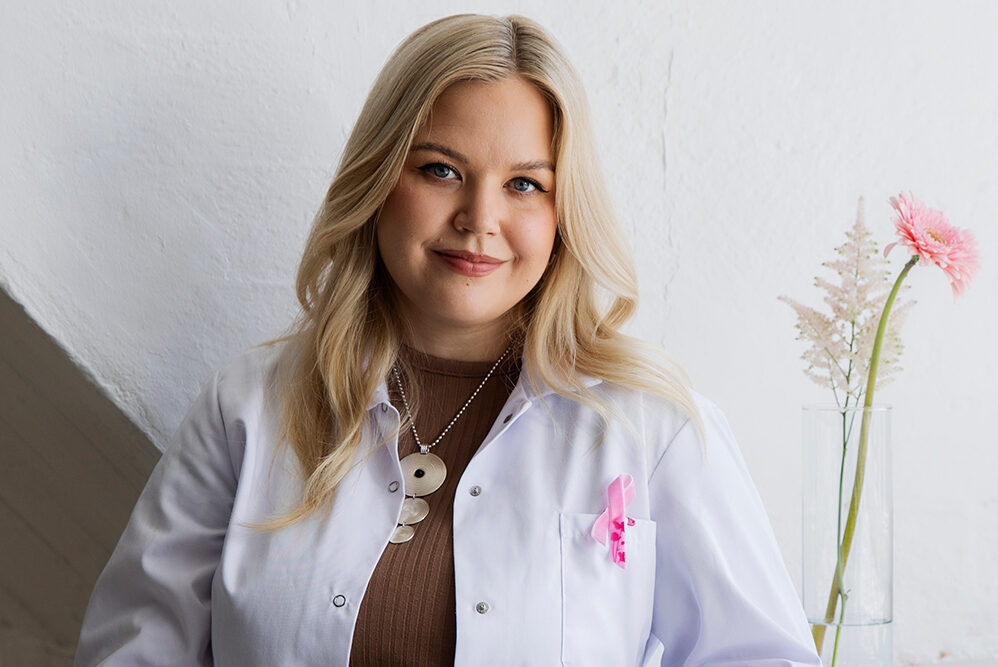
One of the most encouraging shifts is the growing recognition – and funding – of women’s health. Areas such as menopause, autoimmune diseases, and sex-specific treatment responses are receiving long-overdue attention. In the Nordics, targeted investments in initiatives such as the BioInnovation Institute and the Women’s Health Hub in Turku are helping to build the critical mass of expertise, data, and translational capabilities needed to turn research into companies.
As a whole, these trends signal a maturing sector.
As a whole, these trends signal a maturing sector. Life science in 2026 is less about chasing momentum and more about building durable value – scientifically, financially, and societally.
Nordic Life Science Days 2026 will bring these themes together, focusing on capital-efficient growth, the practical impact of pharma–tech convergence, and the emergence of women’s health as a driver of both innovation and company formation.
About the author

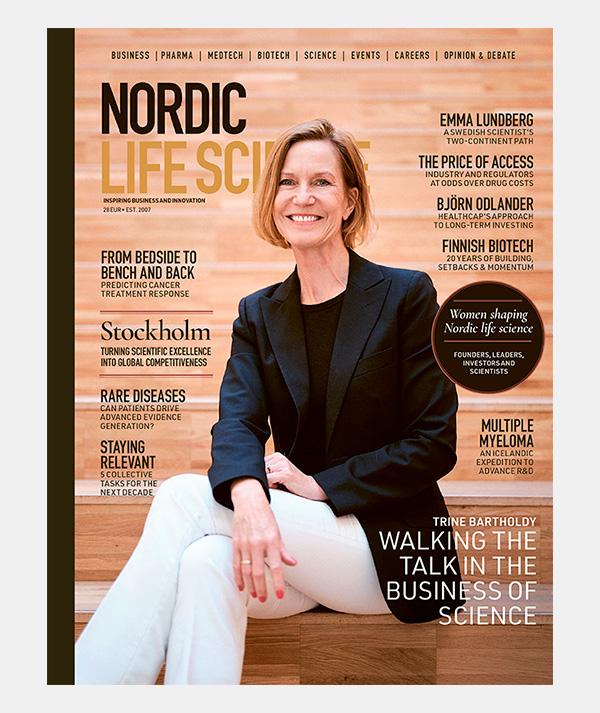
Marjo Puumalainen is the International Director of SwedenBIO, the national trade organization for life sciences in Sweden. SwedenBIO is a recurring columnist in NLS magazine. This column was originally published in NLS No 01 2026, out February 2026.
Published: March 15, 2026