Postdoc Interview: “Just like in life, there is no single correct path in science”
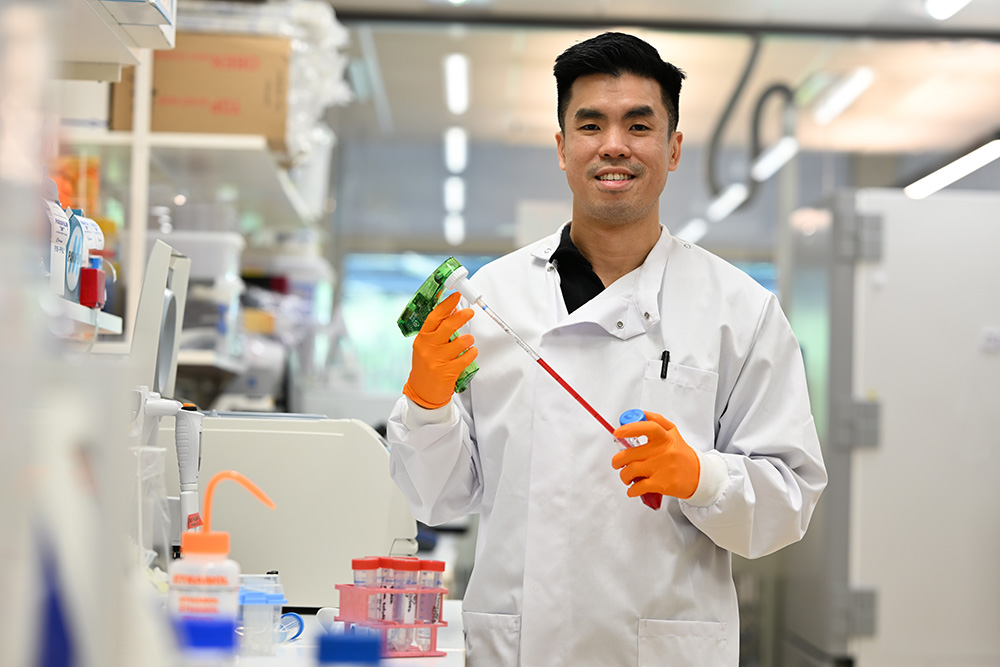
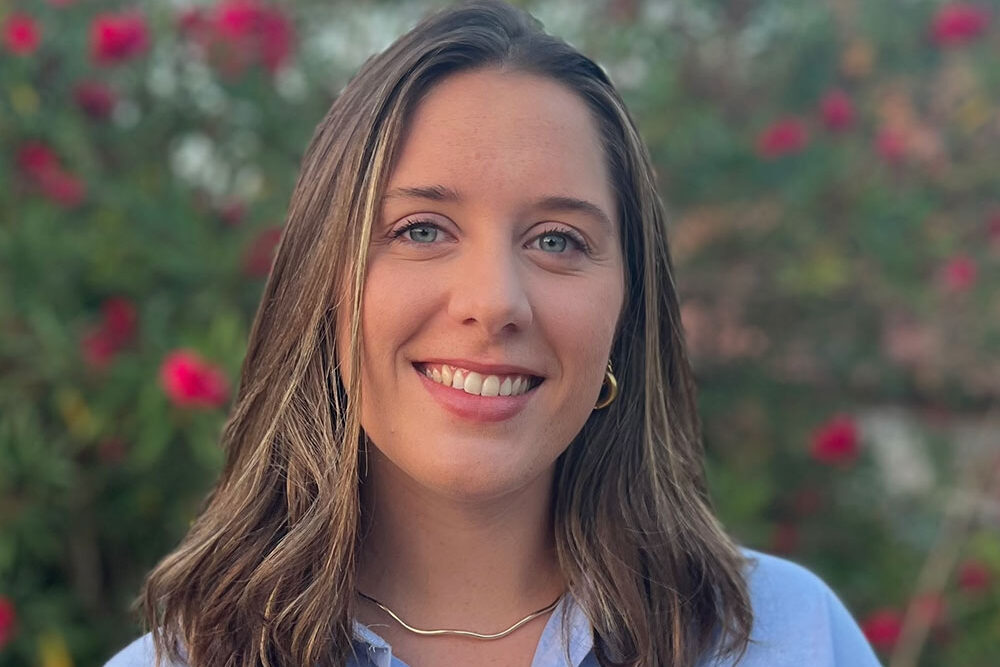
Lionel Leck’s research focuses on pediatric cancer, particularly neuroblastoma – one of the most commonly diagnosed childhood cancers with a poor prognosis.
June 14, 2026


Lionel Leck is a PULSE Postdoc Fellow at SciLifeLab and Karolinska Institutet, under the mentorship of Kasper Karlsson and Erik Benson.
His research focuses on pediatric cancer, particularly neuroblastoma. Despite decades of treatment, survival rates have plateaued and many patients continue to suffer significant toxicity from chemotherapeutic agents that have changed little over the years. His work aims to change that by developing nucleic acid-based therapeutic approaches that improve drug delivery and tumor targeting, while reducing the toxicity burden on young patients.
What sparked your interest in science and in your specific field?
“I’ve always been drawn to biology, even back in high school. Like many people, I have friends and family who have been touched by cancer. But for me, it was the people closest to me who really set me on this path. My dad was diagnosed with cancer during my final year of high school, and that stayed with me.”
“It was during university that my interest in human biology and physiology deepened. After completing my undergraduate degree in Australia, I had the opportunity to spend a year in research and was fortunate to have a truly inspiring supervisor and a project I found exciting. That experience pretty much cemented everything.”
That moment made me realize that scientists have a real role in raising awareness and connecting science to people’s everyday lives.
“During a science communication event early in my PhD, I had the opportunity to present my work to a public audience. Afterward, people came up to me, genuinely curious and eager to learn more, while also sharing their own experiences with cancer. That moment made me realize that scientists have a real role in raising awareness and connecting science to people’s everyday lives. I think experiences like that are what truly connect people. It’s something I’ve continued to carry with me, and part of what motivates me to contribute, even in small ways. In many ways, it also shaped the path that led me to where I am today.”
Describe your current research project?
“My current project focuses on nucleic acid-based approaches for paediatric cancer. This is still an emerging field. There is so much we don’t yet understand, and that uncertainty is part of what makes it exciting.”
Biology is almost always more complex than expected, and delivery, selectivity, and toxicity are just as important as the therapy itself.
“One ‘strand’ of the work involves designing DNA nanostructures that preferentially localize to tumors through an in vivo selection strategy. In parallel, we’re developing oligonucleotide-based approaches to target transcription factors like MYCN and associated pathway genes – drivers of some of the most aggressive childhood cancers that have long been considered ‘undruggable’. What I’ve learned is that biology is almost always more complex than expected, and delivery, selectivity, and toxicity are just as important as the therapy itself.”
There’s something special about bridging different sectors, learning from each other, and finding ways to apply what works best in one setting to strengthen another.
“What I enjoy most, though, are the people and collaboration behind the science. Working across academic labs, translational teams, industry partners like AstraZeneca, and patient groups has really shaped how I think about research – there’s something special about bridging different sectors, learning from each other, and finding ways to apply what works best in one setting to strengthen another. It’s not always straightforward, but that’s also where a lot of the growth happens.”
“The biggest fulfillment will be seeing this work reach the clinic – not just improving survival rates for kids with cancer, but also their quality of life.”
Describe your career path and your career choices so far?
“Ending up in my current role was unexpected. My PhD journey was impacted by COVID, which delayed my completion and left me feeling quite uncertain about what I wanted to do next. Around that time, I had the opportunity to intern both in industry and later at my current lab in Sweden, and those experiences became eye-opening for me. They gave me a much clearer sense of the kind of research environment and work culture I enjoyed being part of. I really enjoyed the collaborative environment, the people I worked with, and the translational side of the research at SciLifeLab and Karolinska. When the PULSE fellowship opportunity came up, it felt like the right role at the right time, and I’m still very grateful that things worked out the way they did.”
One thing I’ve learned is that it’s okay to take time to reflect.
“One thing I’ve learned is that it’s okay to take time to reflect. Speaking to people from different backgrounds and experiences really helped me think more clearly about what I wanted from the next chapter of my research journey.”
Do you have any advice for someone exploring a career in science today?
“Follow something you genuinely enjoy and care about, rather than chasing only what is currently popular or in demand. It’s also completely okay to try different things and realize they may not suit you. In today’s fast-moving world, there’s often pressure to figure everything out quickly, but I really believe it’s okay to take some time to reflect.”
There will always be setbacks, comparisons, and uncertainty, but what matters is to keep moving toward your own goals, at your own pace.
“Something my PhD supervisor once shared has stayed with me: the idea of ‘alpine syndrome,’ where people can become distracted before reaching their peak. There will always be setbacks, comparisons, and uncertainty, but what matters is to keep moving toward your own goals, at your own pace.”
“Most importantly, don’t stop learning, stay open to opportunities, and don’t be afraid to do things differently from others. Just like in life, there’s no single correct path in science.”
How would you describe the job market within your field of expertise?
“In life science, especially in academic research, the job market can feel quite uncertain at times and often moves in cycles. Because of that, I personally don’t think trying to “stand out” should be the main goal. What matters more is the experience, growth, and perspective you gain throughout the journey. For me, following something that genuinely interests you is much more sustainable than constantly trying to predict which field will have the best outlook.”
“The people who tend to do well long term are usually those who remain curious, adaptable, and willing to keep learning, and remaining resilient and persistent through challenges. At the same time, having good mentors who are willing to guide you honestly and support your growth can make a huge difference, especially early in your career.”
Know your limits, stay open to other perspectives, and be willing to work with others.
“Know your limits, stay open to other perspectives, and be willing to work with others – that, to me, is one of the most rewarding and enjoyable parts of science. Lastly, being able to communicate science to people from different backgrounds really matters. If we can inspire even one person along the way, that is something I find deeply meaningful about working in life science.”
If we can inspire even one person along the way, that is something I find deeply meaningful about working in life science.
Pick a lab tool, instrument, or piece of equipment that matches your personality or work style and explain why.
“I would say a pipette. On the surface, it’s simple and unglamorous – just moving small volumes from one place to another. But get the technique wrong, introduce a bubble, or rush through it, and everything downstream is affected. There’s something humbling about that. I think that reflects how I try to approach my work. The big ideas and ambitious goals matter, but so does the care and patience you put into the smaller steps along the way. Precision isn’t just about accuracy – it’s about being present and intentional, even when the task feels routine.”
Like a good pipette, I would like to think I work best when I’m part of something larger.
“And like a good pipette, I would like to think I work best when I’m part of something larger – transferring ideas between people, disciplines, and sectors, and hopefully not introducing too many “bubbles” along the way. It’s also just a tool everyone reaches for without thinking twice. That is something I really like – not flashy, just reliable and useful across whatever the day throws at you. That’s the kind of scientist I aspire to be.”
Updated: June 15, 2026, 06:46 am
Published: June 14, 2026