Five Nordic leaders on building a life science career
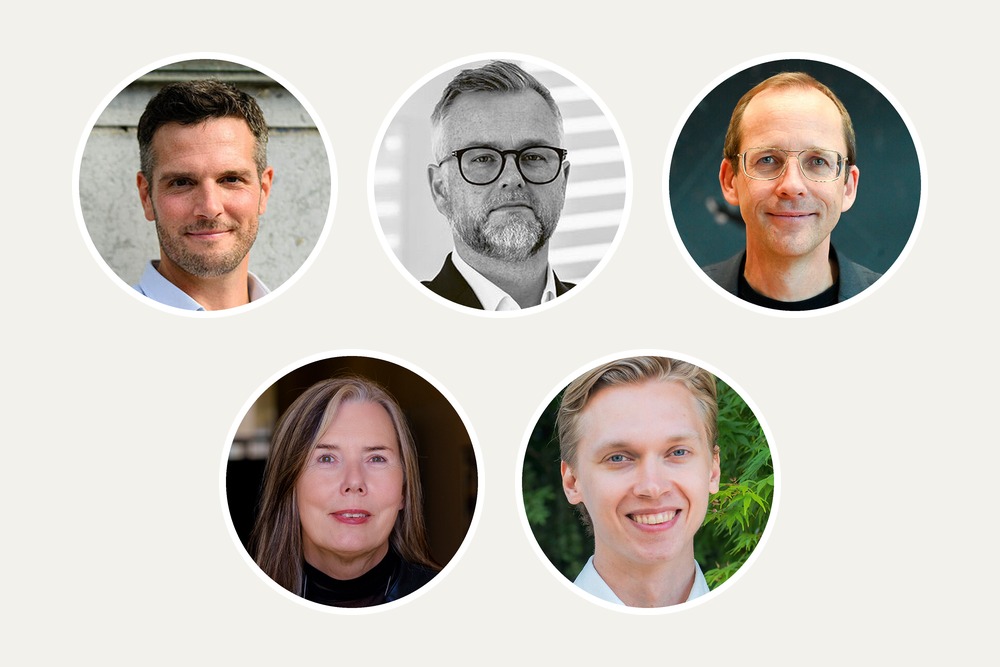
Stamina, mentors, passion, and a life outside the lab. When Nordic Life Science profiled five leaders from across the region’s life science industry, from investors to a startup founder to two of its leading scientists, each shared advice for people starting out. Their answers had a lot in common.
October 20, 2026


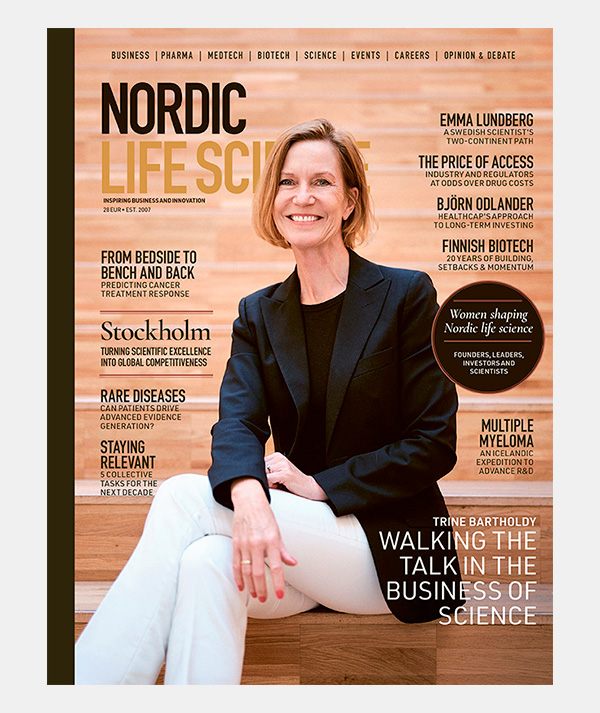
The five were Kristofer Klerfalk, co-founder and CEO of investment funds within Life Science Invest; Anders Tuv, Managing Director at Radforsk Invest; Oskar Hansson, Senior Vice President at Eli Lilly and Company and Professor of Neurology at Lund University; Unnur Thorsteinsdottir, Co-Managing Director of deCODE genetics; and Sam Sihvonen, co-founder and CEO of Solu. All were featured as Nordic profiles in Nordic Life Science magazine No 03 2025.
Build stamina for the long road
Kristofer Klerfalk is a licensed pharmacist who co-founded his first company, a staffing firm placing pharmacy students with pharma companies, while still studying at Uppsala University. Today he is affiliated with around 15 companies and organizations as a board member, co-owner or co-founder. Through Life Science Invest, he backs Nordic life science and medtech startups and aims to pair each one with an investment lead who has already made the journey in the same space.
It often comes down to whether you have the stamina to walk all those miles.
With the dual perspective of founder and angel investor, he looks past the science to the people running the company. “A lot of companies have great science and the foundation is there. I try to also investigate if the founders have the capacity, mindset, and stamina to make the journey – because it’s really hard work for a couple of years. It often comes down to whether you have the stamina to walk all those miles,” he said.
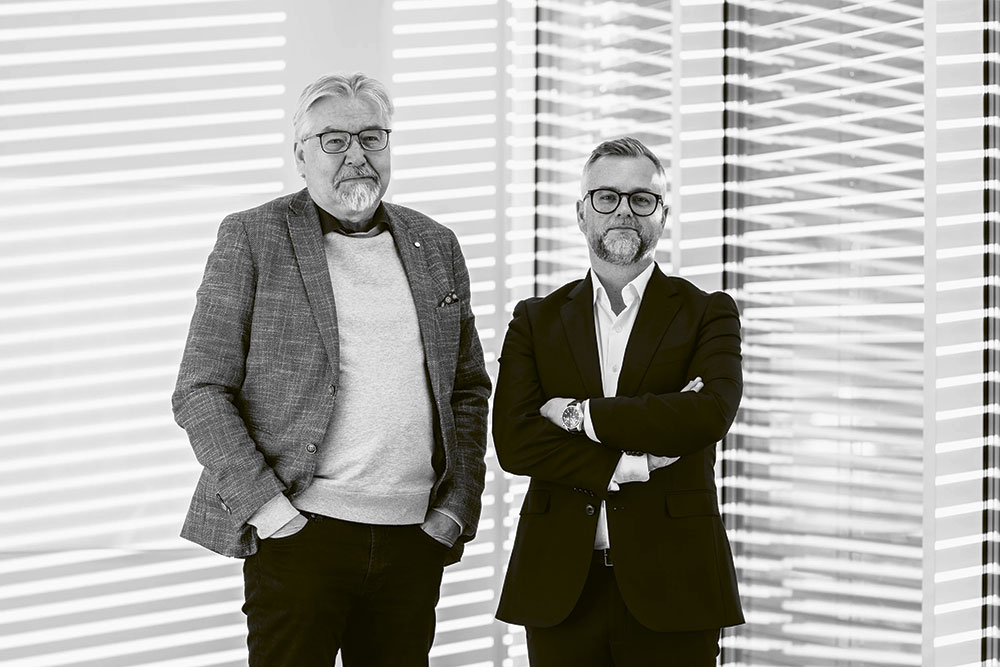
Anders Tuv started out in management consulting before moving into seed and venture investing. He has led Radforsk Invest since 2011. Along the way, he was part of OncoImmunity’s journey from early-stage idea to its acquisition by Japan’s NEC, leading the sales process. As Chairman of Nykode, he helped secure several multi-billion NOK partnerships. He also co-founded the cell therapy company Zelluna and the radiopharmaceutical company ARTBIO, which raised USD 132 million in a Series B round in 2025.
It is about persistence, collaboration, and continuously learning from those around you.
He made the same point about careers in general: think long term and build your career step by step. “In life sciences, success rarely comes overnight – it is about persistence, collaboration, and continuously learning from those around you.”
Find mentors and build a network
Mentors came up repeatedly. Anders Tuv advised: “Seek out good mentors who can guide you and challenge you along the way. Be an active part of the ecosystem, contribute where you can, and make sure you build a strong and diverse network.”
Professor Oskar Hansson has published more than 500 scientific articles and is one of the most cited researchers in the Alzheimer’s field. At Lund University, his team developed and validated a blood test for Alzheimer’s disease that measures plasma phospho-tau217. The test has proven as reliable as spinal fluid tests, and in some cases better. In routine care it was about 90% accurate, compared with 61% for primary care doctors’ assessments and 73% for specialists’.
Seek great mentors, collaborate across disciplines and sectors.
He then joined Eli Lilly, where he was responsible for Phase 1 and Phase 2 trials and the development of new brain imaging techniques for neurodegenerative diseases. He has since been promoted to Senior Vice President. He kept his professorship in Lund. He also urges newcomers to seek great mentors and to collaborate across disciplines and sectors.
Choose the right problem
Oskar Hansson’s advice starts earlier, with the choice of field. Pick one you feel very passionate about and where there are still high unmet needs, he says, but not one so early that progress is out of reach.
Don’t fear failure – treat it as data and iterate.
“It should nevertheless be an area which is mature enough so that major breakthroughs are realistic in the coming decades. Further, learn rigorous methods, seek great mentors, collaborate across disciplines and sectors, and don’t fear failure – treat it as data and iterate,” he said.
Let passion drive you
Unnur Thorsteinsdottir has been at deCODE genetics in Reykjavik since 2000. Before turning to research, she taught at college level for eight years. After a PhD at the University of British Columbia and postdoctoral training in Montreal, she started as a project leader in cancer, went on to lead the population genomics division, and became Vice President of Research in 2010.
Her research has contributed to the discovery of genes that increase the risk of Alzheimer’s disease, and has shown that the number of mutations in sperm increases as men age. Research.com has named her the most influential female scientist in Europe and the fifth most influential in the world.
Her advice is short: “You have to have passion, passion is the key, work very hard, collaborate with other scientists, and do what you’re passionate about,” she said.
And have a life
Hard work came up in several answers. Two of the five also warned against letting it take over. Sam Sihvonen started medical school in Helsinki in 2021. Then he attended a conference on antibiotic-resistant bacteria and decided to tackle the problem himself.
He left medicine to co-found Solu, whose software identifies antibiotic-resistance genes in minutes, helping hospitals stop resistant bacteria from spreading. It took 18 months to get the first version out. At the time of the interview, the company served universities, hospitals, healthcare providers and food safety agencies in nine countries.
It’s more important to keep your sanity, go for a walk or go to the gym. Have a life.
He is frank about the early years: “If you are building a company, the first few years are going to be tough. It’s a mindset question – you have to wait to get a product out, and the speed of feedback is a lot slower than in other fields. It’s more important to keep your sanity, go for a walk or go to the gym. Have a life,” he said.
Kristofer Klerfalk practices what he preaches. Besides his investment work, he serves a few weeks every year as a survival instructor in the Swedish Armed Forces and sings in Uppsala’s male choir Orphei Drängar. He applies the same thinking to the founders he backs: “I work extremely hard, but I take a lot of time off. It’s about being effective when you work – and you won’t have the stamina if you don’t have the work–life balance.”
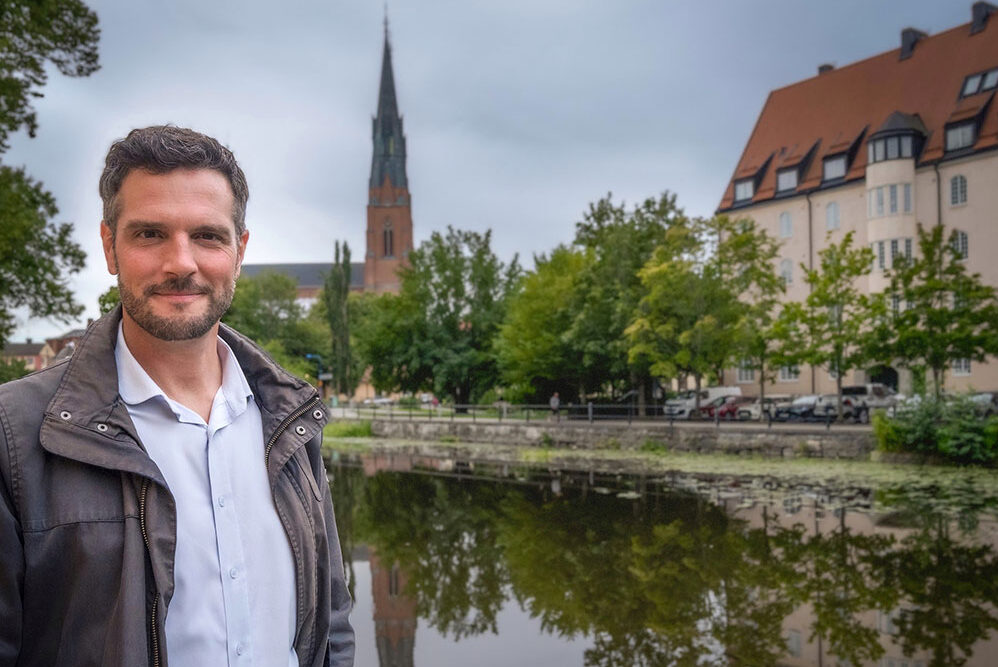
For him, it’s simple: “If you meet an entrepreneur who only works and has no fun, it’s a really bad sign.” One who coaches volleyball in their spare time, he says, is a healthy sign.
Read the full profiles
Published: October 20, 2026