KI researchers win Lancet award for critical-care concept

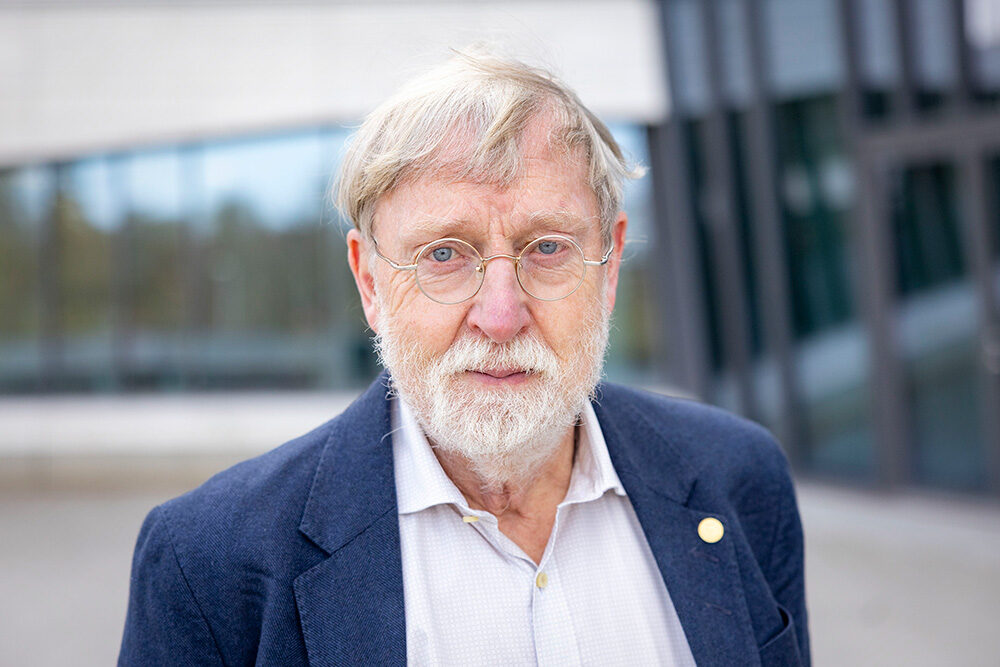
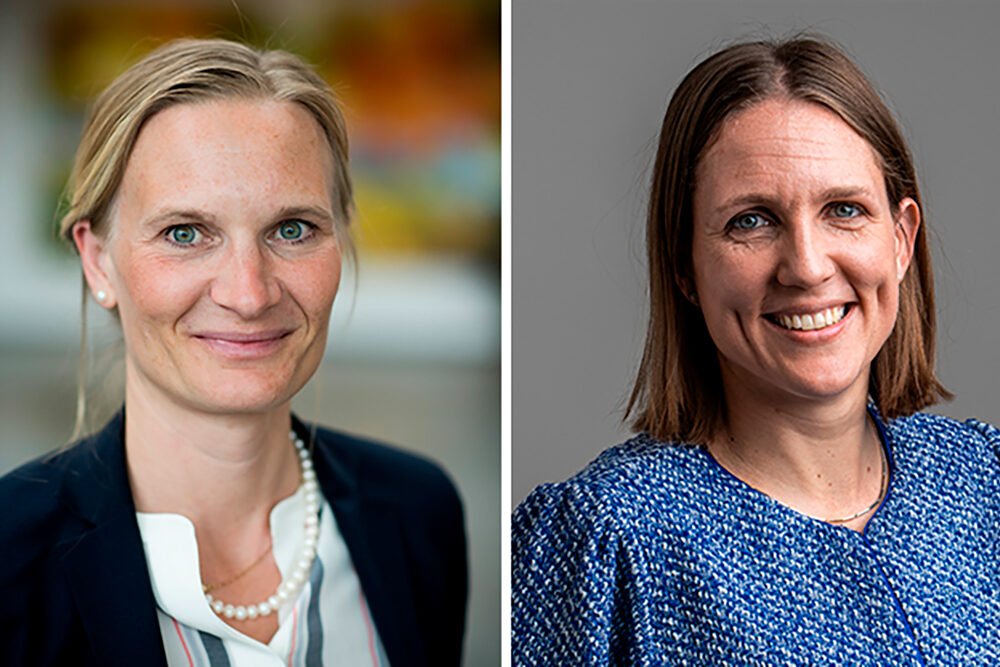
Karolinska Institutet researchers Tim Baker and Carl Otto Schell have received the Lancet–Elsevier Foundation Evidence to Impact Award for Essential Emergency and Critical Care (EECC), a set of 40 basic treatments for critically ill patients on regular hospital wards.
October 27, 2026


EECC is designed to be delivered outside intensive care units and requires all medical staff to be able to identify critical illness and provide basic care, such as monitoring vital signs, placing an unconscious patient in the recovery position or giving oxygen. The researchers’ earlier studies found that most critically ill hospital patients are outside intensive care, including in Sweden, where one in ten inpatients was critically ill.
In the first large implementation project, across 79 hospitals and clinics in Tanzania, mortality was 31% lower three months after EECC was introduced than in the previous year. The researchers note that this was a before-after study, which shows an association but not causality. The share of patients who needed and received EECC rose from 27% to 75%.
The award recognizes implementation science and comes with USD 10,000 for each winning team. Baker and Schell have also founded EECC Global, which has members in 127 countries.
“But the solution isn’t to create more IC places, it’s to make sure that patients throughout the hospital are given basic life-saving treatment,” says Tim Baker, docent at KI’s Department of Global Public Health.
Published: October 27, 2026