Ulf Landegren receives new Lundblad award
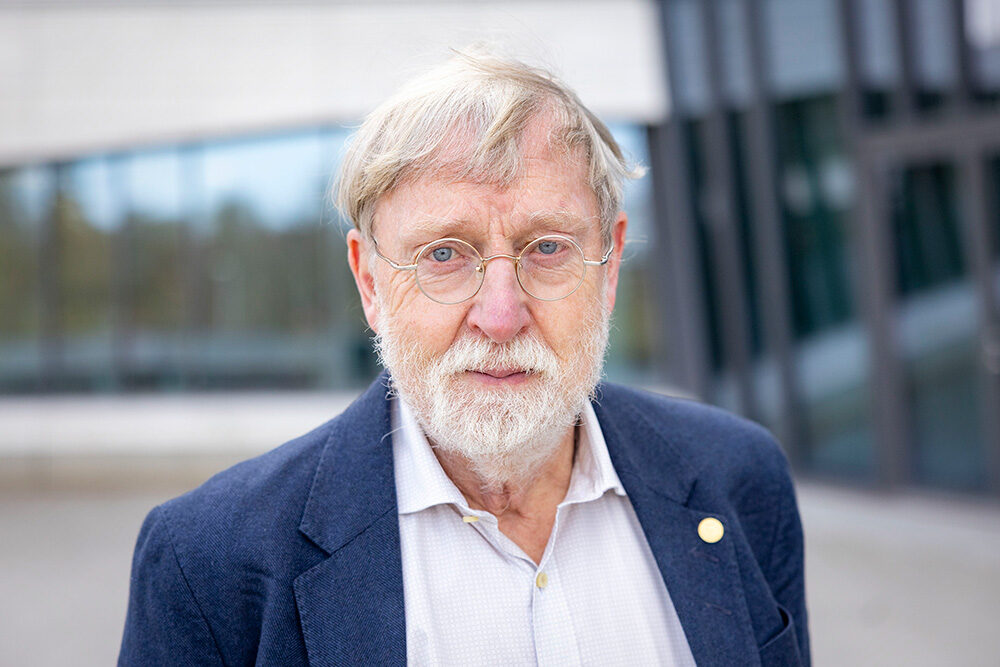
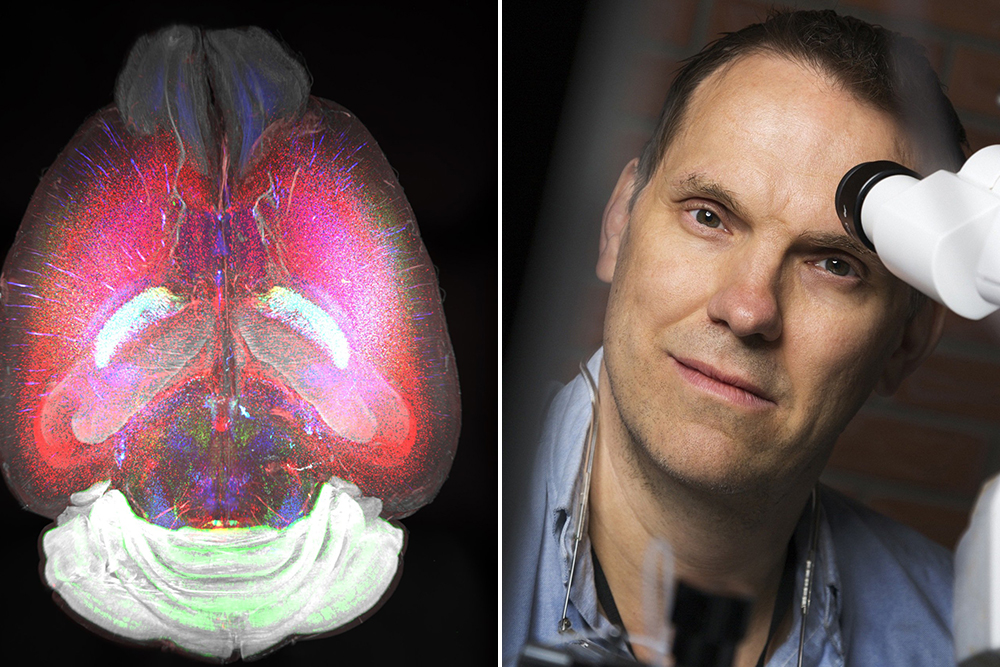
Forska!Sverige has established a new entrepreneurship award in memory of inventor and entrepreneur Leif Lundblad. The first recipient is Ulf Landegren, Professor of Molecular Medicine at Uppsala University, who has built several successful life science companies while helping other researchers do the same.
October 27, 2026


The award was presented for the first time at Forska!Sverige Day on October 21, 2026. It was established through a donation from Lundblad’s daughter, Ulrika Lundblad, and will be given annually to people who turn advanced projects into successful businesses that improve health and prosperity in Sweden, and who serve as role models for others.
Leif Lundblad (1938–2025), known as the father of the ATM banknote dispenser, also founded the Entrepreneurship and Small Business Research Institute and was a dedicated supporter of medical research. Earlier this year, NLS reported on his SEK 538 million bequest to Karolinska Institutet
“I am delighted to be able to honor my father’s life’s work by supporting Forska!Sverige, and to use the new award to recognize people who have made it possible for patients to benefit from the latest research advances,” says Ulrika Lundblad.
Ulf Landegren
For several decades, Landegren has combined academic research with developing new technologies and companies. His work in molecular analysis is used worldwide in drug development, diagnostics, and precision medicine, and he has helped establish Uppsala as an international hub for proteomics and molecular diagnostics. He has founded several companies, often together with former PhD students and colleagues. They include Olink Proteomics, which Thermo Fisher acquired in 2024 for about EUR 2.85 billion, as well as Halo Genomics, Q-linea, Navinci, Rarity Bioscience, Readily Diagnostics, and SampleFacts.
“Ulf Landegren represents exactly what the award is meant to recognize. He has shown how world-class research can be developed into innovations and internationally successful companies, while also helping others succeed,” says Anna Nilsson Vindefjärd, Secretary General, Forska!Sverige.
“I feel very honored to be the first recipient of this award in memory of Leif Lundblad. Like Leif, I hope my work will encourage others to get involved in developing innovations. My students have played crucial roles in all the technologies we have developed together, and many of them are now successful innovators themselves,” says Landegren.
Published: October 27, 2026