The Nobel Prize in Medicine 2026 is awarded for optogenetics
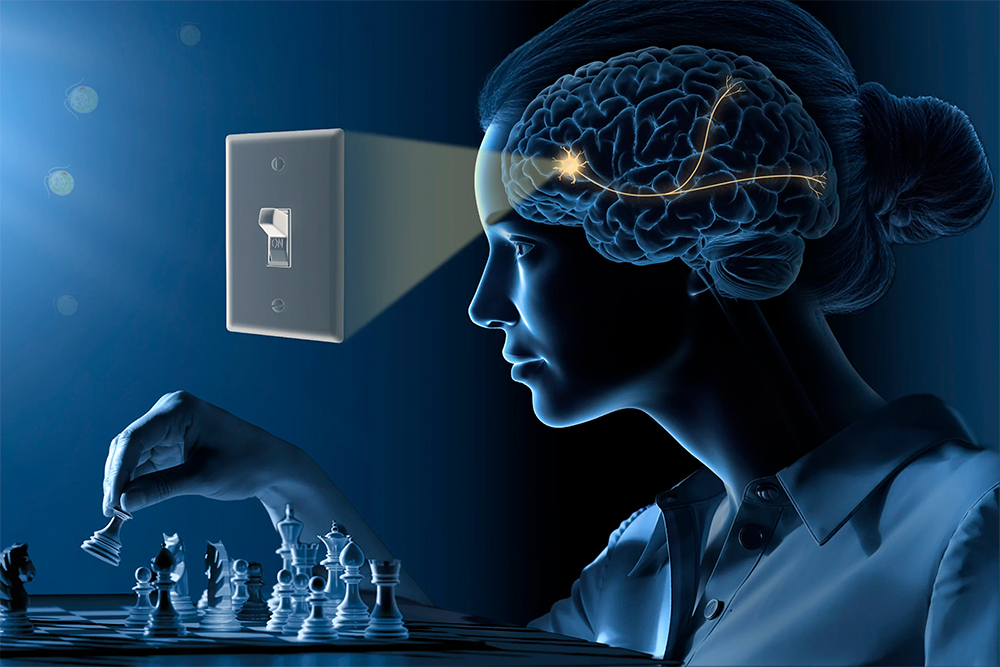
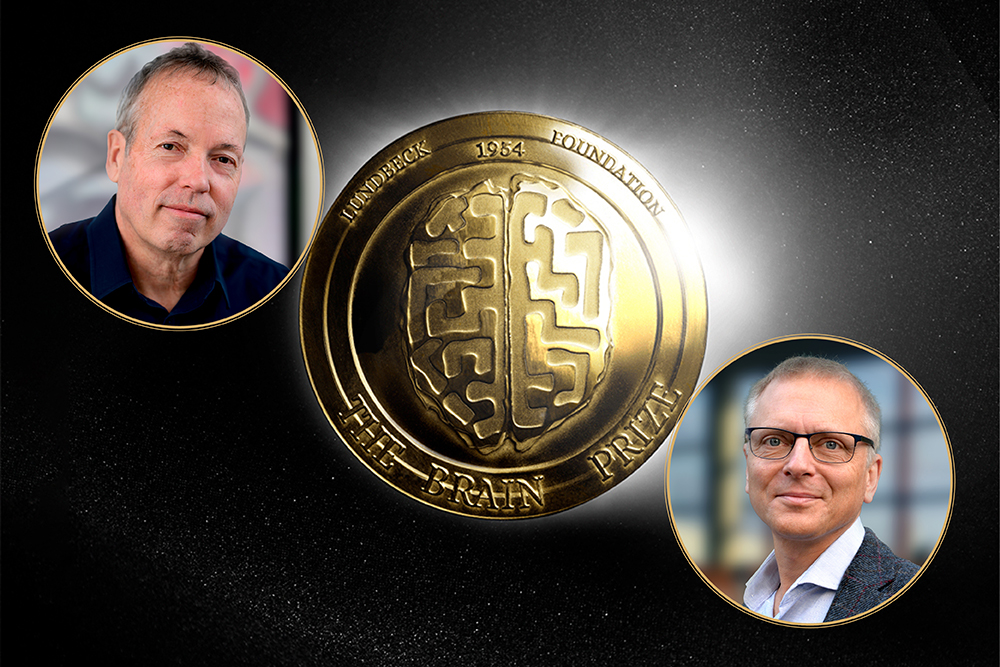
The Nobel Assembly at Karolinska Institutet has decided to award the 2026 Nobel Prize in Physiology or Medicine to Karl Deisseroth, Peter Hegemann and Georg Nagel for their discoveries concerning light-gated ion channels and optogenetics.
October 5, 2026


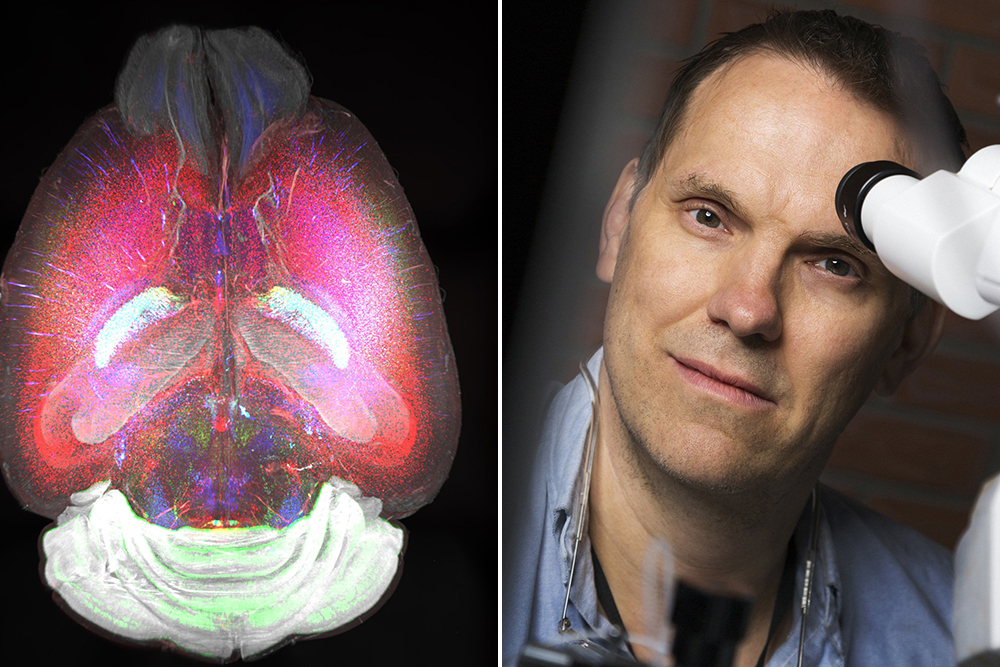
Optogenetics is a method that lets researchers switch specific nerve cells on and off with light, revealing how the brain works in health and disease.
“Optogenetics provides opportunities for mapping the brain in a way that we could once only dream of,” says Per Svenningsson, Chair of the Nobel Committee for Physiology or Medicine.
From algae to the brain
The discovery began with a basic question: how does the single-celled green alga Chlamydomonas reinhardtii sense light? Peter Hegemann and Georg Nagel found the answer in light-gated ion channels, which they named channelrhodopsins. The two researchers and their colleagues described channelrhodopsin-1 in 2002 and channelrhodopsin-2 in 2003. Karl Deisseroth then introduced channelrhodopsin into nerve cells, turning it into a light-controlled switch. By making specific neurons fire on command, researchers could for the first time test what those cells actually do, not just observe them.
From lab tool to therapy
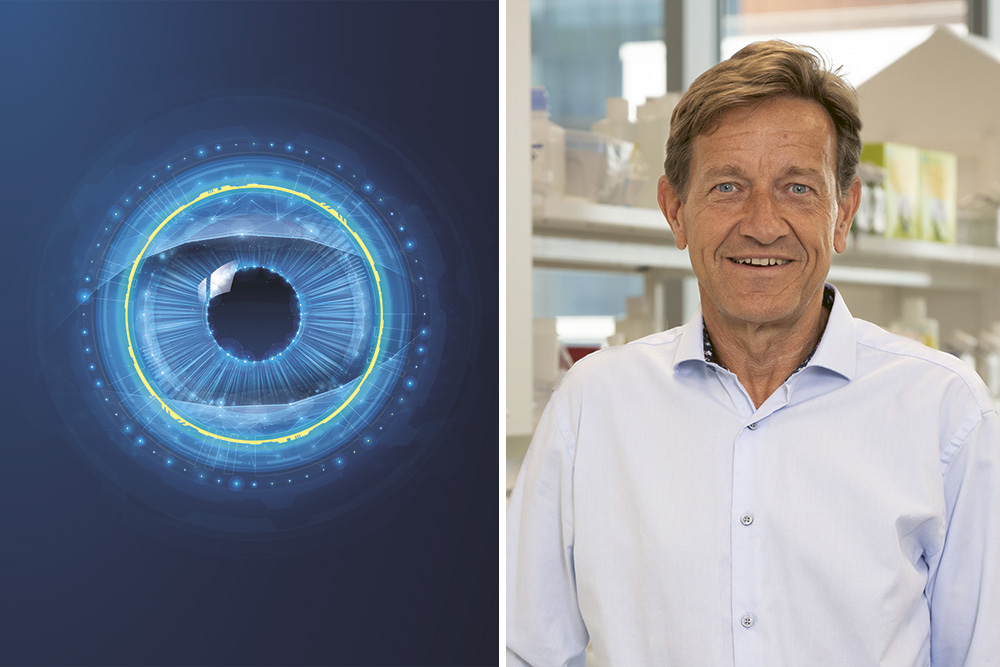
Today, optogenetics is a standard tool in laboratories worldwide. Researchers use it to map the brain circuits behind conditions such as Parkinson’s disease, depression and addiction, and those insights can point to new targets for treatment. The method has also begun to move toward the clinic. In 2021, a patient with retinitis pigmentosa partially recovered visual function after an optogenetic therapy from GenSight Biologics.

Optogenetic therapy partially recovered visual function in a blind patient
The patient, suffering from retinitis pigmentosa, is a participant in the ongoing PIONEER Phase I/II clinical trial of GenSight Biologics’ GS030 optogenetic therapy. These groundbreaking results, from among others biopharma company GenSight Biologics, the Institute of Molecular and Clinical Ophthalmology Basel and the Institut de la Vision at Sorbonne Université/Inserm/CNRS), Paris, were published in Nature […]
Will gene therapy, implants and stem cells bring back sight?
For a long time, restoring vision has been like a search for the holy grail for scientists. And for many patients, being diagnosed with a severe retinal disease has meant progressive, irreversible vision loss. However, the past decade has seen some of the clearest evidence so far that vision loss can be partially restored, not just preserved.
Earlier recognition
Hegemann and Deisseroth received the 2021 Albert Lasker Basic Medical Research Award, together with Dieter Oesterhelt, for their work on light-sensitive microbial proteins and the development of optogenetics. Ed Boyden, who co-developed early optogenetic tools with Deisseroth, has also helped drive the field forward.
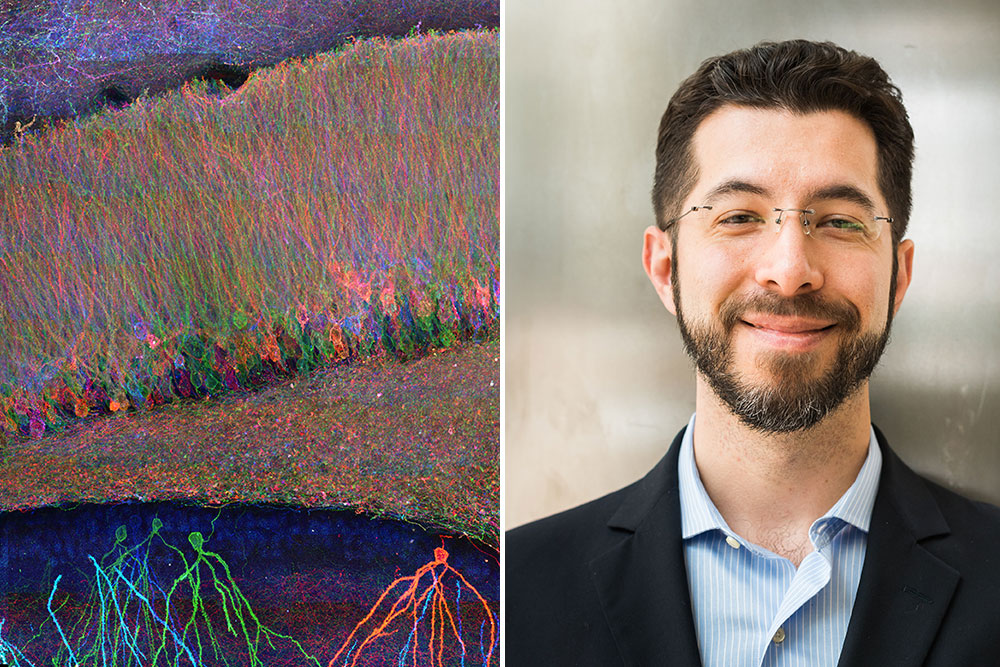
Making the invisible visible
Professor Ed Boyden has developed expansion microscopy, but his research expands beyond this discovery, for example into the exciting field of optogenetics.

The winners of the Lasker Awards 2021
The Lasker Foundation has announced the winners of its 2021 Lasker Awards. Dieter Oesterhelt (Max Planck Institute of Biochemistry), Peter Hegemann (Humboldt University of Berlin) and Karl Deisseroth (Stanford University) will receive the Albert Lasker Basic Medical Research Award. Katalin Karikó (BioNTech) and Drew Weissman (University of Pennsylvania) will be honored with the Lasker~DeBakey Clinical […]
About the laureates
Karl Deisseroth, born 1971. Ph.D. 1998 and M.D. 2000 from Stanford University, USA. D.H. Chen Professor, Professor of Bioengineering and of Psychiatry and Behavioral Sciences, at the Howard Hughes Medical Institute and Stanford University, USA.
Peter Hegemann, born 1954. Ph.D. 1984 at the Max Planck Institute for Biochemistry, Martinsried, Germany. Hertie Senior Professor of Neuroscience, Humboldt University of Berlin, Germany. The prize-awarded discoveries were made at the Max Planck Institute for Biochemistry, Martinsried, Germany.
Georg Nagel, born 1953. Ph.D. 1988 at the University of Frankfurt, Germany. Professor of Molecular Plant Physiology at the Department for Molecular Plant Physiology and Biophysics – Botany I, University of Würzburg, Germany. The prize-awarded discoveries were made at the Max Planck Institute for Biophysics, Frankfurt, Germany.
Updated: October 7, 2026, 09:21 am
Published: October 5, 2026