Northway Biotech opens EUR 61 million cell therapy center in Vilnius
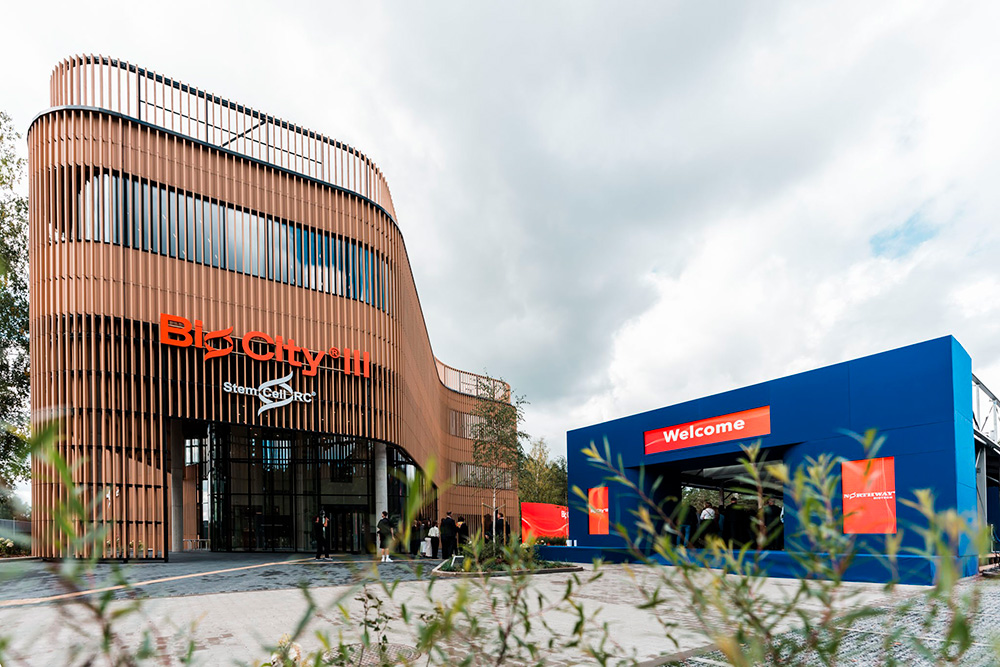
With a new EUR 61 million facility in Vilnius, Northway Biotech becomes the first dedicated cell therapy and personalized medicine CDMO in the Baltics – a development that also expands manufacturing capacity within reach of the Nordic biotech sector.
September 4, 2026


The 3,500m² center adds up to 20 independent cGMP manufacturing lines to Northway Biotech’s existing CDMO platform, which spans mammalian and microbial biologics, gene therapy, and cell-based technologies. It opens with contracts already in place, serving biotechnology and pharmaceutical companies, university hospitals, and research institutions.
The facility is built for autologous and allogeneic cell-based therapies, personalized therapeutic vaccines, regenerative medicine, and 3D human tissue technologies — segregated to allow multiple cell-based products to be manufactured in parallel while maintaining strict product identity, quality, and traceability standards.

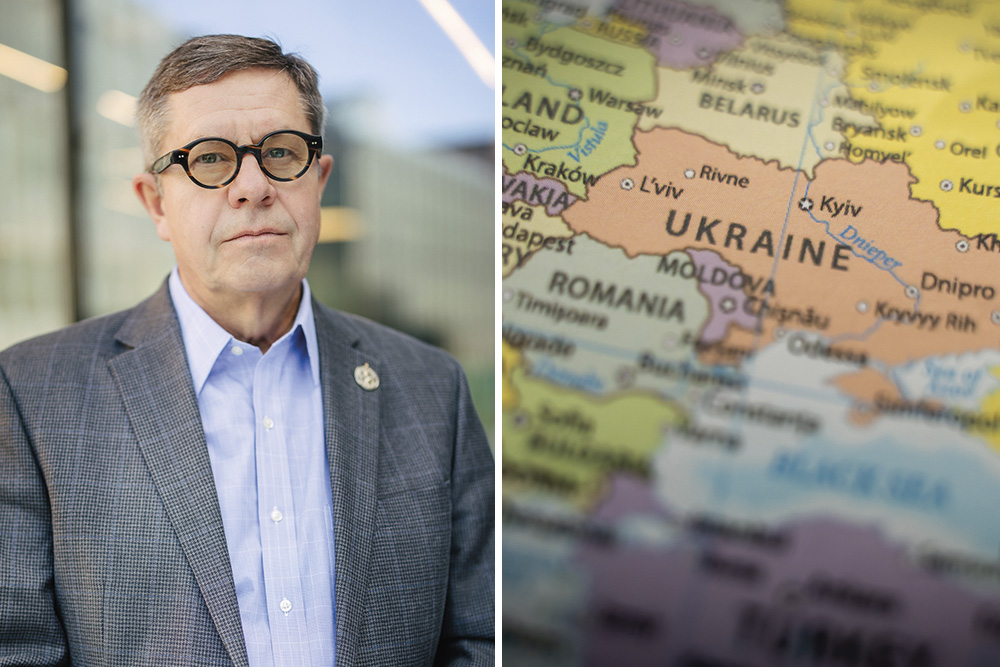
Q&A: The Baltics – An emerging life science hub
Nordic Life Science asked Dominykas Milašius, Venture Partner at Baltic Sandbox Ventures and co-founder of Delta biosciences, about the Baltic business climate for life science startups and companies, and opportunities for investments and collaborations in Estonia, Latvia and Lithuania.
A nearby CDMO option
For Nordic biotech companies developing advanced and personalized therapies, the expansion adds a nearby CDMO option at a time when access to specialized manufacturing capacity remains a bottleneck across the wider Nordic-Baltic life science region. Northway Biotech already operates facilities in Vilnius and Boston.
“Fifteen years ago, we did not have a EUR 61 million center – we had people and ambition,” says Prof. Vladas Algirdas Bumelis, founder of the Northway Group. “Today, we are systematically taking all of this to an entirely new scale.”
In personalized therapies, an entire manufacturing process can be dedicated to a single patient. “It is a completely different pharmaceutical model, and this is precisely the kind of medicine this center was built for,” Bumelis says.
Lithuania’s ambition for life sciences
The investment supports Lithuania’s ambition for life sciences to reach 5% of GDP by 2030 and is expected to create around 100 life sciences jobs. It was financed through private funds and a loan from Lithuania’s national development bank ILTE.
Published: September 4, 2026