Partnership links target discovery and drug design
Rayca Precision, which operates in Helsinki and London, has partnered with Dutch TechBio company QurieGen to offer pharma and biotech R&D teams a joint workflow that connects the discovery of new drug targets with the design and testing of drug candidates.
November 3, 2026


The two companies have also published a joint white paper describing the approach, which aims to address a long-standing bottleneck in the industry. One large-scale analysis found that more than 96% of drug trials focused on previously tested targets. Meanwhile, around 90% of drug candidates entering clinical development fail, an estimated 40–50% of them because they aren’t effective enough.
In traditional drug discovery, target identification, molecular design, and experimental validation are often handled as separate stages. QurieGen and Rayca Precision instead combine them in an iterative process. First, QurieGen uses its time-resolved single-cell multi-omics platform to map disease biology and to identify and validate potential targets. The platform measures the whole transcriptome alongside up to 350 proteins and phosphoproteins in the same individual cells over time. Rayca Precision then uses AI and physics-based simulations to model how target proteins move and change shape, including binding sites that are only temporarily accessible, and designs molecules to achieve the desired effect. Finally, QurieGen tests the molecules in cellular models to see whether they produce the intended biological response. The results feed into the next round of design.
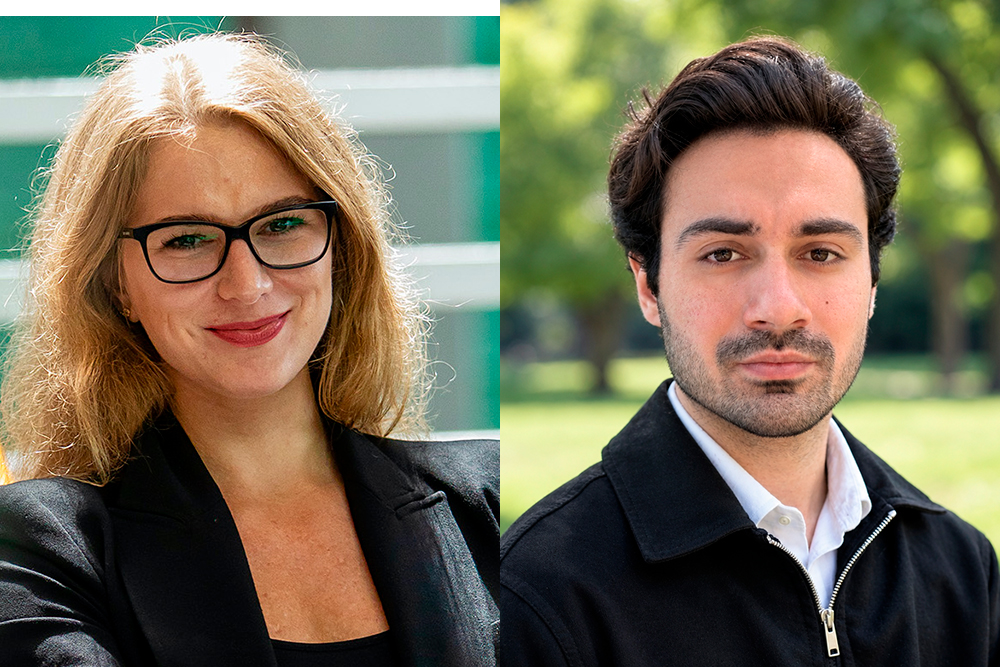
“Biology is not static. To understand disease mechanisms and how drugs work, we need to capture how cells respond over time, not just take snapshots,” says Kinga Matuła, CEO and co-founder of QurieGen.
“This partnership connects target discovery with molecular design, strengthening the evidence behind critical R&D decisions,” says Pouya Behrouzi, CEO and co-founder of Rayca Precision.
The companies are now inviting pharmaceutical and biotech R&D teams to discuss pilot projects. Each pilot starts with one biological question in a defined disease area. QurieGen will be available for partnering meetings at BIO-Europe in Cologne, Germany, November 9–11.
Published: November 3, 2026