Industry Diplomat: Jessica Martinsson
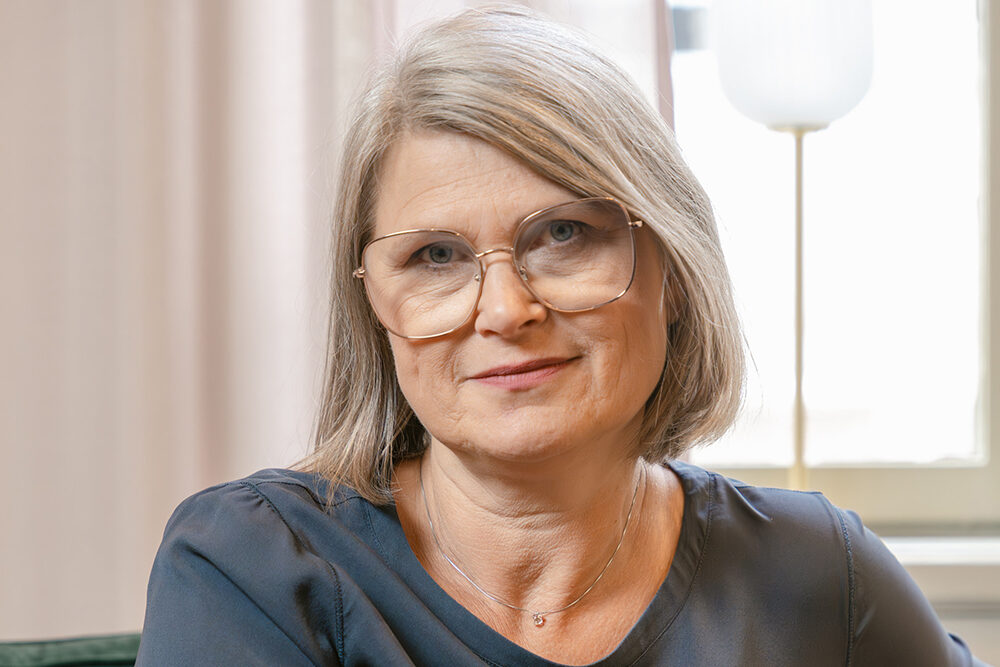
Unbeknownst to her, Jessica Martinsson’s long and varied career in research and life sciences was preparing her for her newest and possibly most influential role.
October 4, 2026


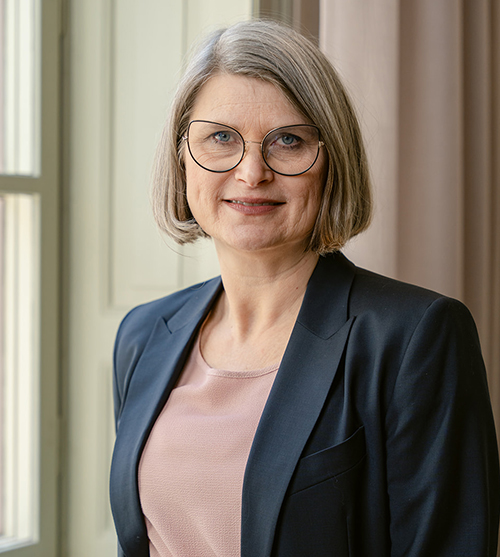
For the past three years, as the CEO and Director General of SwedenBIO, the nation’s trade organization for the life science industry, Jessica Martinsson has lobbied for biotech companies and championed ways to improve public health. In July, Martinsson was elected Vice Chair of the International Council of Biotechnology Associations (ICBA), further extending her influence.
“Our voice makes a difference”
Leading a 14-member team at SwedenBIO, Martinsson jokes that she sees herself as both an icebreaker and a figurehead. Her group works with SwedenBIO’s members to strengthen the life science industry through national and international networking opportunities, report preparation, and speaking on behalf of the industry.
Learning about members’ needs and knowing that SwedenBIO is having an impact on behalf of its members, and the industry are what motivate Martinsson, even if gains are not immediately apparent.
“Our voice makes a difference, and we have positioned ourselves as a knowledgeable and committed spokesperson for the industry,” says Martinsson. “A lot of the things we do happen behind closed doors. But something very tangible and important is the Swedish presence at international events where we now had a Swedish pavilion at the BIO International Convention this year featuring a strong lineup of Swedish companies. This has been one of the things most requested by our members, and finally we succeeded.”
Life science makes up 10 percent of Swedish exports and is our second-largest export industry. I would like SwedenBIO to be an active player in making that even stronger.
SwedenBIO also managed to secure funding for a dedicated life science program in the latest research bill passed by the Swedish Parliament, called Advanced Life Science. “The program is now being implemented as one of the funding mechanisms at the innovation agency Vinnova,” Martinsson explains. “Life sciences have had a few dedicated programs that are now being phased out, and there were no new programs to replace them. We gathered broad delegations from the entire ecosystem, including both authorities and politicians, and managed to secure the program in the bill.”
Increasing Sweden’s presence and influence in the global life sciences arena is another driver for Martinsson.
“We want to continue to put the Swedish life science industry on the map, nationally and internationally,” she says. “Life science makes up 10 percent of Swedish exports and is our second-largest export industry. I would like SwedenBIO to be an active player in making that even stronger.”

Previous experiences led to SwedenBIO
Jessica Martinsson’s earlier work in management and research provided her with critical skills to lead SwedenBIO. She co-founded Sprint Bioscience, a research company focused on oncology, and served as the company’s operations manager and CEO. She brought to Sprint Bioscience years of research experience at pharmaceutical companies.
Over my career, particularly at Sprint Bioscience, I learned all about the challenges of a startup in our industry, such as attracting investors, going public, and facing the ultimate test: making your project appealing to the pharmaceutical industry as a licensing opportunity.
“My previous experience is the reason why I stepped into this role [at SwedenBIO],” she says. “Over my career, particularly at Sprint Bioscience, I learned all about the challenges of a startup in our industry, such as attracting investors, going public, and facing the ultimate test: making your project appealing to the pharmaceutical industry as a licensing opportunity. All these challenges also came with a large portion of frustration, so in the end I grew to wish for the opportunity to do something about them.”
Starting Sprint Bioscience was Martinsson’s way of trying to understand and streamline the drug development process. The company took its name from the work cycles, called sprints, which are part of the Agile Scrum method of tackling a large project by breaking it into smaller parts (sprints).
“During my career I realized that some of the hurdles facing drug discovery are technical and some are cultural,” she says. “From the technical angle, as a medicinal chemist, I spent more time addressing poor properties, such as low solubility, than optimizing potency. That started my interest in fragment-based drug discovery, which was a new concept 20 years ago.”
“But equally important is the company culture,” Martinson adds. “Projects need to be pushed to fail fast, and the most promising ideas need to be identified at an early stage. That was the philosophy behind Sprint Bioscience.”
I would be lying if I said I haven’t encountered any prejudice. There were times when I was assumed to be a lab assistant or a member of the human resources department, rather than the company co-founder.
Martinsson has also faced challenges as a female entrepreneur in the male-dominated life science industry.
“I would be lying if I said I haven’t encountered any prejudice,” Martinsson says. “There were times when I was assumed to be a lab assistant or a member of the human resources department, rather than the company co-founder. That led me to be stricter and more professional in my appearance and the way I dressed.”
Follow your curiosity
Growing up, Jessica Martinsson did not view her interest in science as a path to a career, but rather a path she chose to follow out of curiosity. “Luckily, that interest also managed to lead to interesting opportunities,” she says.
Encouraging today’s young people to follow their curiosity and supporting and celebrating their successes can help the next generation of scientists flourish.
“Make the geeky scientists the stars!” Martinsson urges. “Most kids are interested in biology, chemistry, and physics when they are young, but they lose interest as they get older. Schools need to maintain and support that interest with good teachers who have enough resources to do exciting experiments.”
Nationally, a huge opportunity is to let the National Pension Fund invest in an industry that is of vital interest to both the health and wealth of Sweden.
While Sweden has every reason to be proud of its life science industry, additional talent and resources could help it flourish even more.
“We have all the right conditions for a strong industry, but one of the drawbacks of our high research output is that it has not been paired with a correspondingly strong funding structure,” says Martinsson.
“We need to attract more capital for investment in life science. Nationally, a huge opportunity is to let the National Pension Fund invest in an industry that is of vital interest to both the health and wealth of Sweden. We also need more international investors to find our Swedish gems, and we need to learn how to attract those investors,” she says.
And Martinsson is on it.
Published: October 4, 2026