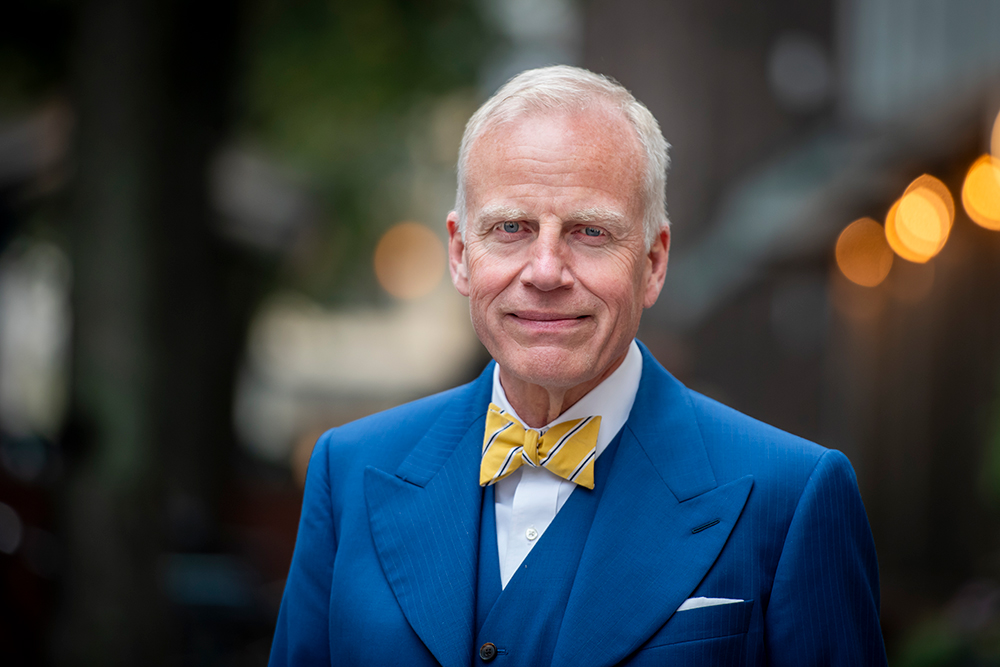
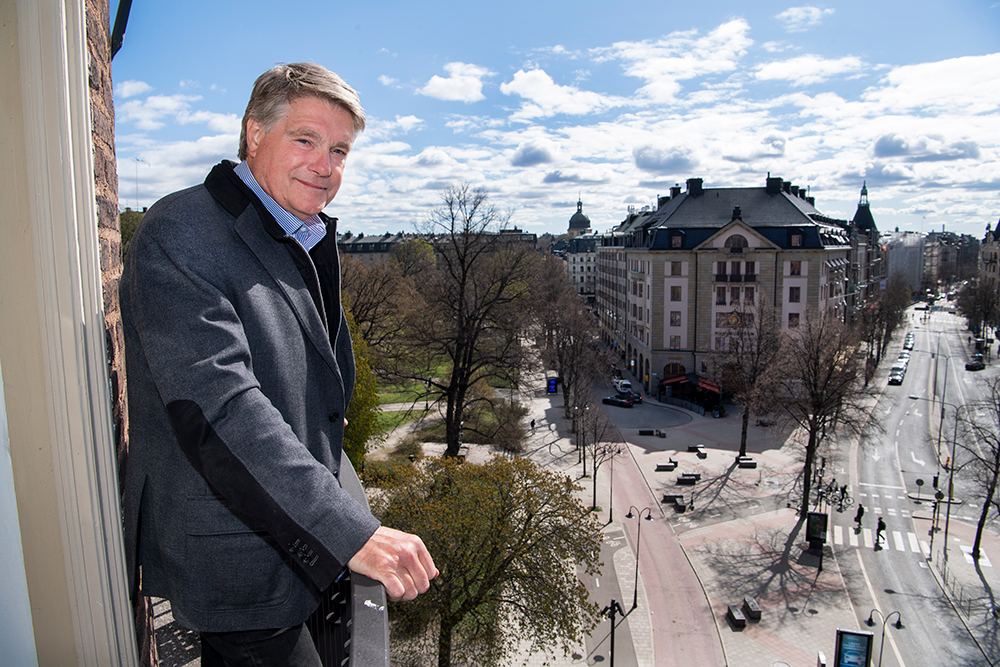
Olivier Duchamp-Giudicelli: NLSDays’ accidental founder looks back
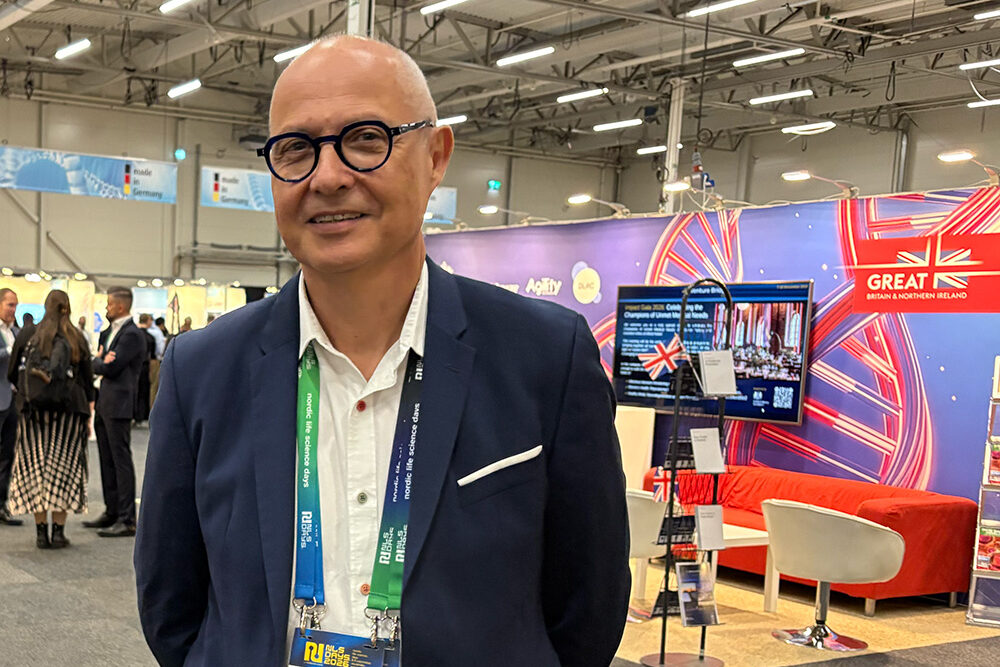
After a full career building life science communities and now approaching something akin to retirement – meaning only cherry-picking the projects that appeal to him – French-born Olivier Duchamp-Giudicelli reflects on the accidental advent of NLSDays in 2014, and how partnering and dealmaking have changed over the years.
September 9, 2026


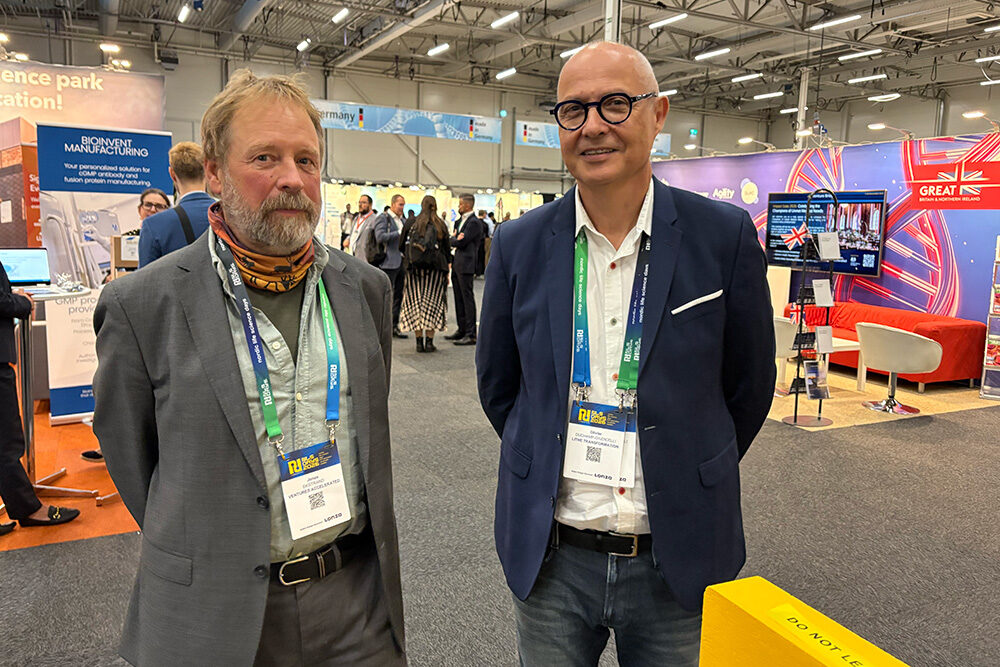
Duchamp-Giudicelli sat down with Nordic Life Science at the recent NLSDays at Kistamässan in Stockholm, where he attended as a delegate after many years at the helm of the conference.
The advent of NLSDays
When you were first brought in to arrange the first NLSDays, what were the particular challenges you faced? What was your task – your mission, so to speak?
“I was working for a US company at the time, organizing Biopartnering Europe – the first and largest partnering event in Europe, held in London. In 2012, we took the conference on a European tour and met with SwedenBIO, including Jonas Ekstrand, who’d later become CEO. After Brussels in 2013, they asked us to bring it to Stockholm in 2014.”
None of the large partnering events had reached the Nordics. My role was to identify who should be involved and who should sponsor it.
“None of the large partnering events had reached the Nordics. My role was to identify who should be involved and who should sponsor it. We worked on this for almost a year before running into trouble: funding was hard to secure, and the US company that owned the event pulled out, saying, ‘we won’t go to Stockholm, this is not sustainable.’ But SwedenBIO had already rented the Stockholm Waterfront venue, and the contract couldn’t be canceled. Jonas took over as CEO, and the two of us spent a few days in Stockholm brainstorming what to do with a venue booked for September 2014. That’s how NLSDays was born.”
700 delegates managed in Excel
Duchamp-Giudicelli, Ekstrand, and their collaborators then set about arranging the first event, with a handful of partners including AstraZeneca, Pfizer, almost all the regions, and investors from Stockholm and Gothenburg.
“We started to work on getting the Norwegians and the Finns on board. Everyone was game. We managed to get 700 people for the first conference, with a small exhibition and small, four-square-meter stands and tables for partnering. And the registrations were handled in an Excel file. We broke even on the venue cost.”
Since then, interest from the other Nordic countries has kept growing, and NLSDays became the only life science partnering platform in the region – until others, like BIO-Europe or BIO International, took notice.
“Then we asked ourselves: should we do it again? We decided yes. We designed a new logo, signed a contract with the Waterfront for three years, and I was hired as managing director for the conference – SwedenBIO had only three people on staff at the time. Since then, interest from the other Nordic countries has kept growing, and NLSDays became the only life science partnering platform in the region – until others, like BIO-Europe or BIO International Convention, took notice.”
Joint Nordic visibility
How have things changed since then? From 2014 until today, what changes have you and NLSDays helped drive in terms of partnering and dealmaking?
“The first achievement was to make the five Nordic countries work together. If we want to address the US or Asia, we have to go together, because from a US perspective, Sweden, Iceland, or Finland doesn’t mean anything. But the Nordics together mean something – this is the north. This region is cold and dark, but something is happening here.”
Our idea was to bring these countries together, which was easier for me as a non-Nordic person, because making Swedes and Danes work together is a challenge!
“Our idea was to bring these countries together, which was easier for me as a non-Nordic person, because making Swedes and Danes work together is a challenge! But we managed it. We also put this visibility to use abroad – for example, forming a Nordic pavilion at BIO International, thanks to NLSDays’ contacts and our ability to get everyone to contribute financially.”
Connecting small and big
The second achievement was to offer Nordic startups the opportunity to meet with big pharma and investors, continues Duchamp-Giudicelli. “My feeling was that, culturally, Nordic people – and particularly the Swedish companies – are a bit shy,” he says.
“They don’t like to brag about themselves, and they prefer that people come to them instead of going abroad to market themselves. We offered them, along with all kinds of academic infrastructures and incubators, the opportunity to be visible in one place for two days, letting people from abroad – like investors and pharma – come to them.”
Revenue stream
The third achievement was to strengthen SwedenBIO’s capacity to grow, thanks to new resources, and thereby produce more content and reports, like the Swedish Drug Discovery and Development Pipeline report, for example, says Duchamp-Giudicelli.
“NLSDays is profitable and has been funding the growth of the SwedenBIO team. It has helped SwedenBIO grow bigger, with more expertise and staff – for the good of the community.”
From your outside perspective as a Frenchman who has worked closely with the Nordics, what do you think are the particular strengths of the Nordic life science ecosystem?
“From a French perspective, working with the Nordics has always been very easy. People are open-minded and curious, and always ready to go for new things. It comes with one drawback: this sense of consensus in the Nordics that means it takes a long time to make a decision. But when you come to a decision, it’s just perfect.”
“I’d say the mix of French directness and Nordic open-mindedness works well – it’s easy to do business here because people are pro-business and proactive, and I think I’ve helped push things a bit more directly to the point. There’s always an interest, a curiosity, and that’s what I like.”
For people coming from abroad, I think the way the Nordic people welcome you in as their own has always been appreciated.
“Swedes and Danes, for example, have very different mindsets. The Danes are a bit more straightforward, and Swedes are more gentle. For people coming from abroad, I think the way the Nordic people welcome you in as their own has always been appreciated. At NLSDays, when I was running the event, we always tried to maintain that kind of Nordic spirit in the way we set up an event. Why do people like to go to the Nordics? They reason that it will be cold, it will be dark – but it’s warm in the way people welcome you. And that’s important.”
Published: September 9, 2026